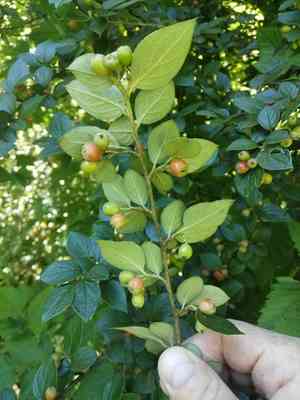
Diels's cotoneaster (Cotoneaster dielsianus)
Also known as: Diels's Cotoneaster
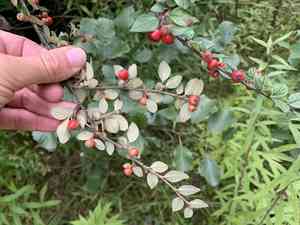
The Diels Zwiermispel is a deciduous shrub reaching 1 to 2 meters in height. Its twigs start off densely shaggy and yellowish hairy, transitioning to a smoother texture and darker color—black-gray or black-brown—as they mature. The leaves consist of a short petiole, about 1 to 3 millimeters in length, which is covered in tomentose hairs, and an oval to lanceolate leaf blade.
In This Article
Attributes of Diels's cotoneaster
Lifespan
Perennial
Plant Type
Shrub
Plant Height
1 m to 2 m
Spread
2.5 m to 4 m
Leaf Color
Green Red
Flower Size
6 mm to 7 mm
Flower Color
Pink White
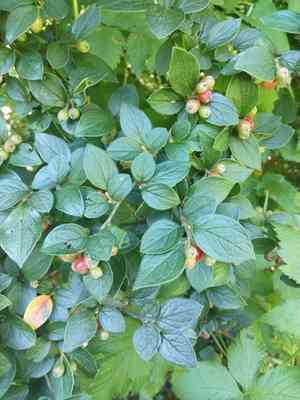
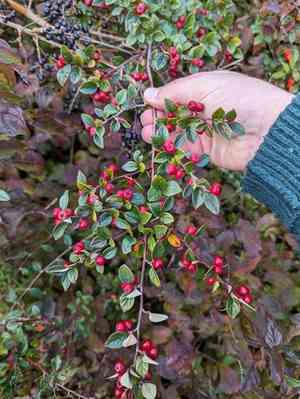
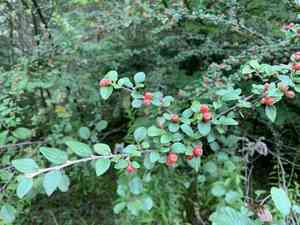
Images of Diels's cotoneaster
Quickly Identify Diels's cotoneaster
1
Look for its arching branches and small, ovate leaves. The leaves turn red or purple in autumn. Identify its small white to pink flowers in spring and bright red berries that last into winter.
Scientific Classification of Diels's cotoneaster
Phylum
Vascular plants
Class
Dicotyledons
Order
Rosales
Family
Rose
Genus
Cotoneaster
Species
Diels's cotoneaster
Planting and Growing of Diels's cotoneaster
Care Difficulty
Easy
Watering Schedule
Every 2 days
Sunlight Requirements
Full sun
Sunshine Duration
4-8 hours
Ideal Temperature
60-75℉
Soil Type
Potting Mix, Peat Mix
Soil pH
6.5-7.5
Fertilizer Type
Balanced
Pruning Season
Spring, Summer
Pruning Area
Branches, Leaves
Pruning Frequency
2 times a year
Repotting Season
Spring
Pot Type
Plastic, Ceramic
 How to Water Diels's cotoneaster?
Cotoneaster dielsianus thrives best when the soil is kept consistently moist. This means watering deeply to about 500ml per session, ensuring the water reaches the root zone. It's important not to let the plant sit in water as this can lead to root rot.
What are the symptoms of an underwatered Diels's cotoneaster?
›
What should I do if my Diels's cotoneaster is not getting enough water?
›
What are the symptoms of an overwatered Diels's cotoneaster?
›
How to save an overwatered Diels's cotoneaster?
›
 What Are the Sunlight Requirements for Diels's cotoneaster?
Cotoneaster dielsianus benefits from full sun to partial sun exposure. Adequate light ensures healthier, more abundant leaf and fruit development, enhancing the plant's ornamental appeal.
More About Sunlight Requirements Techniques→
What type of sunlight is best?
›
How to position for best light?
›
What are the benefits of ideal sunlight?
›
 What Is the Ideal Temperature Range for Diels's cotoneaster?
Cotoneaster dielsianus thrives in moderate climates. For optimal growth, keeping the ambient temperature between 60°F and 75°F proves ideal. This range ensures stable metabolic functions and supports healthy foliage and bloom production. In these conditions, the plant maximizes its photosynthetic potential and remains less stressed, leading to robust development.
 What Soil is Best for Diels's cotoneaster?
Cotoneaster dielsianus thrives in well-drained soil as it helps prevent root rot by ensuring excess water doesn't remain stagnant. This is particularly beneficial for maintaining plant health and vigor. Moderate soil fertility is ideal for Cotoneaster dielsianus as it provides essential nutrients without causing overfeeding, which could lead to excessive leaf growth over flowers and berries. While it shouldn't be waterlogged, slightly moisture-retentive soil supports consistent hydration, courtesy of sandy loam textures that strike an excellent balance for this plant.
 How to Fertilize Diels's cotoneaster?
For Cotoneaster dielsianus, the fertilizer amount depends on the plant's growth stage and environmental conditions. During the active growing season, apply a balanced liquid fertilizer at half-strength to avoid over-fertilization. When using slow-release granules, follow the manufacturer's instructions, typically 2 tablespoons per plant.
 How to Prune Diels's cotoneaster?
Start by removing any dead, diseased, or crossing branches. This helps to ensure that the healthy parts of the plant receive more nutrients and energy for optimal growth. Once the unhealthy wood is removed, focus on shaping the plant to maintain its natural form. Thin out dense areas to improve air circulation and light penetration, which aids in overall plant health. If needed, cut back longer branches to encourage a more compact growth. This can be especially beneficial if you're looking to create a hedge effect or maintain a certain structure.
More About Pruning Techniques→
 How to Propagate Diels's cotoneaster plant?
1
Gather mature seeds from Cotoneaster dielsianus fruits. Ensure they are fully ripe to increase viability. Clean them thoroughly to remove any pulp before sowing.
2
Select healthy stems and use sterile pruning shears to make a cut just below a node. Remove the lower leaves and dip the cut end in rooting hormone to encourage root growth.
3
For layering, bend a low-growing, flexible stem to the ground and cover part of it with soil. Secure it in place until roots form at the buried section, which can take several months.
 How to Repot Diels's cotoneaster plant?
1
Cotoneaster dielsianus shows it needs repotting when its roots start to grow out of the drainage holes or when the plant's growth noticeably slows down. The best time to repot is during the growing seasons of spring and autumn, allowing the plant to establish itself in its new home before extreme weather arrives.
2
Select a pot that is one size larger than the current pot, with ample drainage holes. This ensures that excess water can escape, preventing root rot and encouraging healthy root growth. A pot made of breathable materials like terracotta can help maintain an optimal moisture balance, providing the roots with much-needed oxygen.
3
Opt for a well-draining loam mix with a balanced combination of sand, silt, and clay. This type of soil prevents waterlogging while retaining enough moisture, promoting strong root development. It also provides necessary nutrients, ensuring that Cotoneaster dielsianus remains vibrant and healthy after the transition.
Toxicity
Ingestion of berries
WARNING
The judgment on toxicity and danger is for reference only. We DO NOT GUARANTEE any accuracy of such judgment. Therefore, you SHALL NOT rely on such judgment. It is IMPORTANT TO SEEK PROFESSIONAL ADVICE in advance when necessary.



