How Much Sunlight Do Diels's cotoneaster Need?
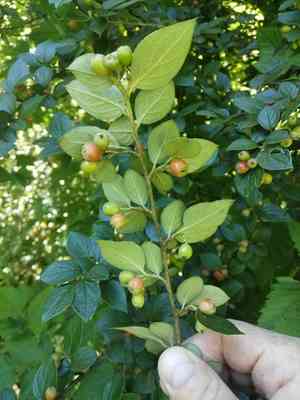
1
Diels's cotoneaster flourishes with ample sun exposure, needing a minimum of 6 hours of direct sunlight each day.
2
It can endure partial sun, though this might impact its flowering and development.
3
Observe for indications of sun damage or inadequate light to modify its location and maintenance.
Optimal Light Conditions for Diels's cotoneaster
Full Sun Requirements
For peak development, Diels's cotoneaster needs abundant light. A minimum of six hours of direct sun daily is perfect. This plant thrives in environments with full sun, which boosts its overall health, vibrant leaves, and prolific blooms.
Partial Sun Tolerance
While Diels's cotoneaster prefers ample sunshine, it can also endure partial sun. If situated where it gets about 4-6 hours of sun, especially in the morning, it can still grow but might show less vigorous flowering and slower development. Balancing light and shade is crucial for its well-being.
Prime Planting Spots for Diels's cotoneaster
Garden Placement Advice
When placing Diels's cotoneaster in your garden, pick a spot with full sun exposure. It's vital to avoid shaded areas, such as beneath tall trees or structures. Sunlight helps maintain plant health and prevents diseases that flourish in cool, damp conditions. South-facing gardens are generally best for ensuring sufficient sun all day.
Indoor vs. Outdoor Cultivation
Diels's cotoneaster is best suited for outdoor cultivation where it can access full sunlight. While it can survive indoors, it needs a bright, sunny window, ideally south-facing, to flourish. Note that indoor settings often provide less intense light, which could impede its growth. Outdoor planting is advised for optimal outcomes.
Signs of Light Imbalance in Diels's cotoneaster
Sunburn Symptoms
Too much sunlight can cause sunburn, where the foliage may appear scorched with brown, crispy edges. If you observe these signs, consider providing some shade during peak sun hours or moving the plant to a less intense sunny spot.
Insufficient Light Indicators
Inadequate sunlight can cause Diels's cotoneaster to become leggy, with elongated stems and sparse leaves. Limited flowering and a general lack of vigor are also common signs. If these symptoms appear, gradually increase the plant's sun exposure to prevent shock.
Modifying Light Exposure for Diels's cotoneaster
Utilizing Shade Cloth
If your Diels's cotoneaster is experiencing sunburn, using a shade cloth can help lessen the intensity of direct sunlight. Install the shade cloth to provide filtered light during peak sun hours, ensuring your plant gets adequate sun without harm.
Relocating to a Different Spot
Moving your Diels's cotoneaster to a more suitable location is an effective way to adjust its light exposure. When transplanting the plant, choose a spot that ensures full sun while offering some afternoon shade if necessary. It's best to transplant during early spring or fall when temperatures are mild.
Seasonal Light Considerations for Diels's cotoneaster
Spring and Summer Needs
During spring and summer, Diels's cotoneaster should receive ample sunlight to boost its growth and flowering. Ensure it gets at least 6 hours of direct sunlight daily. Regular observation is crucial to adjust its exposure if signs of stress or sunburn appear.
Fall and Winter Adjustments
As daylight diminishes in fall and winter, maintain the plant's access to as much sunlight as possible. While the growth rate will slow, sufficient light helps keep the plant healthy and prepares it for the growing season. Additionally, consider trimming any overhanging branches or objects that might block sunlight during these months.



