The Diels's cotoneaster Plant Advantage: Maximizing Home and Office Appeal and Wellness
1
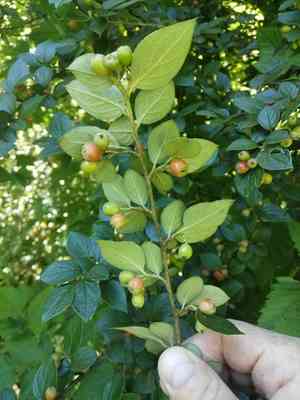
Diels's cotoneaster produces persistent berries, contributing to its year-round visual appeal.
2
This species is resilient and requires minimal care, suitable for diverse environmental conditions.
3
Diels's cotoneaster aids local fauna by supplying nourishment, thereby boosting ecological variety.
Why Select Diels's cotoneaster for Your Garden?
Visual Charm
A primary reason gardeners appreciate Diels's cotoneaster is its constant visual appeal. With rich green leaves during active growth and bright red or orange berries in autumn and winter, this plant ensures your garden stays captivating visually all year. The delicate white or pink blossoms in late spring add another layer of beauty.
Effortless Upkeep
Diels's cotoneaster is a superb choice for those desiring a low-maintenance garden. Its robust nature allows it to flourish in various soil types and climates, reducing the need for frequent attention. This plant's resistance to pests and diseases further minimizes care, letting you enjoy its beauty with less effort.
How Does Diels's cotoneaster Benefit the Environment?
Supporting Wildlife
Diels's cotoneaster plays a crucial role in aiding local wildlife. Its berries serve as a vital food source for various birds and small mammals, especially in colder months when other food is scarce. Additionally, its flowers attract pollinators like bees and butterflies, contributing to a healthier ecosystem.
Soil Stabilization
The dense root system of Diels's cotoneaster helps stabilize the soil, making it an effective plant for preventing erosion. Whether planted on slopes or within a garden bed, this shrub can stop soil loss and improve soil structure, thereby enhancing the health of your garden or surrounding area.
What Are the Practical Applications of Diels's cotoneaster?
Hedges and Borders
Diels's cotoneaster is often used as a natural hedge or border plant due to its dense growth habit. It can be trimmed to create formal or informal hedges, offering privacy and structure to your garden. The vibrant fruits and foliage add an attractive touch to garden boundaries.
Pots and Rockeries
Beyond being excellent for gardens, Diels's cotoneaster is also suitable for containers and rock gardens. Its adaptability to diverse growing conditions allows it to thrive in confined spaces, making it a versatile option for patio decor, urban gardens, or focal points in landscape design.
How to Care for Diels's cotoneaster?
Planting Instructions
To maximize Diels's cotoneaster's potential, plant it in a spot with well-drained soil and full sun to partial shade. Water consistently during the establishment phase, typically the first season, to encourage a strong root system. Once established, Diels's cotoneaster is drought-tolerant and needs minimal watering.
Trimming Advice
Prune Diels's cotoneaster in late winter or early spring before new growth emerges. Remove any dead or damaged branches to maintain plant vitality. Light trimming can help preserve the desired shape and size of the shrub without hindering its natural growth pattern.



