How to Propagate Diels's cotoneaster?
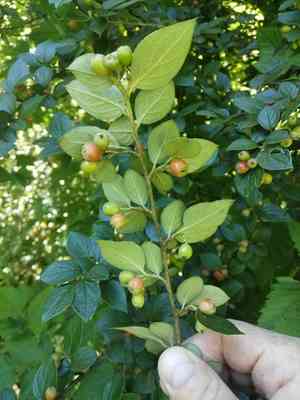
Diels's cotoneaster flourishes when multiplied via cuttings. Cultivators ought to choose vigorous, non-blooming shoots to elevate the probability of successful root formation. Employing a rooting stimulant can improve the establishment of young plants. It is vital to sustain steady dampness and offer diffused illumination until roots develop strongly. After rooting, progressive adaptation to external environments will ready diels's cotoneaster for relocation.
Optimal Period for Diels's Cotoneaster Propagation
Propagation Method
Cutting
Propagation Season
Autumn,Winter
Tools Required for Diels's Cotoneaster Propagation
Sharp Pruning Shears
These are vital for obtaining clean, precise cuttings from diels's cotoneaster. Sharp blades prevent damage to the parent plant and ensure a clean cut, which is essential for proper callusing and rooting. A precise cut enhances rooting success by minimizing infection risk and promoting faster healing.
Rooting Hormone
This chemical compound stimulates root development in diels's cotoneaster cuttings. Applying rooting hormone to the cut end before planting can significantly boost the likelihood of successful root formation, helping cuttings establish more effectively and grow into new plants.
Sterile Potting Mix
A well-draining, sterile potting mix offers an ideal environment for diels's cotoneaster cuttings to root. The mix's sterility ensures no pathogens harm the cuttings during their vulnerable initial growth stages. Good drainage also prevents overwatering, which can cause rot in new cuttings.
Plant Pots or Trays
Small pots or trays are needed to hold the potting mix and cuttings. They must provide sufficient drainage and space for the initial root growth of diels's cotoneaster. These containers should be clean and free from previous planting residues to prevent disease transfer.
Plastic Wrap or Propagation Dome
Maintaining high humidity is crucial for rooting diels's cotoneaster cuttings. Covering pots or trays with plastic wrap or placing them under a propagation dome helps retain moisture and warmth, creating a microclimate that supports the rooting process.
Propagating Diels's Cotoneaster: A Guide
Propagation Difficulty
Moderately Difficult
Caring for Your Newly Propagated Diels's Cotoneaster
Caring for Your Newly Propagated Diels's Cotoneaster
Once diels's cotoneaster cuttings have rooted successfully and show new growth, gradually introduce them to lower humidity by uncovering them for a few hours daily. Keep the soil moist but not waterlogged, and apply a balanced liquid fertilizer monthly during the growing season. Position young plants where they receive full sun to partial shade. Protect them from harsh winter conditions initially until they are well-established.
Common Errors to Avoid When Propagating Diels's Cotoneaster
Overwatering cuttings
Excessive moisture can lead to root rot, hindering rooting and potentially killing diels's cotoneaster cuttings. A balance must be maintained to avoid saturating the soil, which deprives the root zone of essential oxygen.
Using non-sterilized tools and pots
Contaminated tools or pots can introduce pathogens to diels's cotoneaster cuttings, causing diseases before new plants establish. Ensuring cleanliness is vital to prevent such issues.
Taking cuttings from unhealthy plants
Using material from diseased or weak diels's cotoneaster specimens can result in poor rooting and growth, as the cutting's health reflects its parent's vigor.
Incorrect cutting size
Cuttings that are too long or too short can impact the survival rate of diels's cotoneaster. If too long, cuttings may struggle to sustain themselves until roots develop; if too short, they might lack sufficient nodes for rooting.
Tips for Propagating Diels's Cotoneaster
Use healthy and mature plant material
Ensuring cuttings or seeds are taken from healthy, disease-free diels's cotoneaster plants increases the chance of successful propagation by providing vigorous starting material.
Proper soil mix
Using a well-draining soil mix ensures that the roots of diels's cotoneaster receive the right balance of moisture and air, fostering healthy root development without the risk of waterlogging.
Optimal cutting length
For diels's cotoneaster, cuttings should ideally be 4-6 inches long with several nodes. This length improves the probability of rooting and the overall stability of the plant.
Adequate humidity and temperature
Maintaining a controlled environment with adequate humidity and warmth aids in the rooting process for diels's cotoneaster cuttings. This can be achieved by using a humidity dome or placing the pot in a lightly shaded area.



