How to Transplant Diels's cotoneaster?
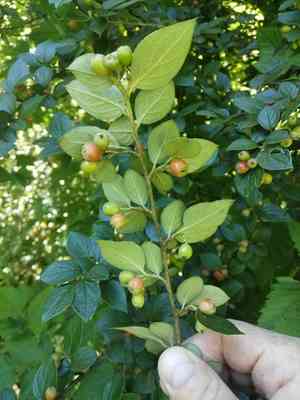
It is advisable to transplant diels's cotoneaster when temperatures rise, just prior to the peak of summer flowering, to ensure successful establishment in sunny, well-draining locations. Maintain consistent moisture for the root system and avoid disruption for a seamless acclimation.
Essential Preparations Before Relocating Diels's Cotoneaster
Optimal Timing for Moving Diels's Cotoneaster
The perfect time to move diels's cotoneaster is during the pleasant period from late spring to early summer. This timeframe allows diels's cotoneaster sufficient opportunity to establish its root system before colder weather arrives. Transplanting during this warm interval encourages robust development, as rising soil temperatures stimulate root growth. Diels's cotoneaster can recover well from the move during this energetic phase, boosting its chances of thriving in its new spot.
Recommended Spacing Between Diels's Cotoneaster Plants
When relocating diels's cotoneaster, aim to provide each plant ample room to thrive! A distance of 4-6 feet (1.2-1.8 meters) between each will greatly benefit their development. This ensures they have plenty of space for their branches and roots to expand.
Ideal Soil Mixture for Diels's Cotoneaster Relocation
The best foundation for diels's cotoneaster begins with soil that drains well! Incorporate organic material like compost or aged manure to nourish it. A balanced, slow-release fertilizer will help your diels's cotoneaster get a strong start. Remember, a good beginning leads to a flourishing plant!
Choosing the New Location for Your Diels's Cotoneaster
Diels's cotoneaster enjoys a bright, sunny location to absorb light but also appreciates some shade, especially during the hottest part of the day. Find a spot where they can get morning sun and filtered afternoon shade to keep them healthy and happy.
Tools Required for Diels's Cotoneaster Transplantation
Gardening Gloves
To safeguard your hands while handling soil and the plant.
Shovel or Spade
For excavating the plant and preparing a new planting site.
Watering Can or Hose
To hydrate the plant before and after its relocation.
Wheelbarrow or Garden Cart
To move the plant to its designated new spot.
Pruning Shears
To trim any damaged roots or branches.
Method for Extracting Diels's Cotoneaster from the Ground
Method for Extracting Diels's Cotoneaster from the Soil
From Ground: Moisten the diels's cotoneaster plant to dampen the earth. Then, dig a wide trench around the plant using a shovel or spade, ensuring the root ball remains intact. Carefully work the spade beneath the root ball to lift the plant from its original position.From Pot: Gently tap the pot's sides to loosen the soil. Invert the pot and support the diels's cotoneaster plant while carefully sliding it out. If the plant is root-bound, gently separate the roots.From Seedling Tray: Water the seedlings to facilitate removal. Use a small tool or your fingers to lift each diels's cotoneaster seedling, disturbing the roots as little as possible.
Detailed Instructions for Transplanting Diels's Cotoneaster
Prepare the New Location
Dig a hole in the ground that is twice as wide and the same depth as the diels's cotoneaster plant's root ball.
Examine the Roots
Inspect the diels's cotoneaster's root ball, removing any dead or excessively long roots with pruning shears.
Position diels's cotoneaster
Place the diels's cotoneaster plant in the center of the hole. The top of the root ball should be level with the surrounding ground.
Backfill the Hole
Carefully fill the hole with soil around the diels's cotoneaster root ball. Gently firm down the soil to eliminate air pockets.
Water Thoroughly
Water the diels's cotoneaster plant generously after planting to settle the soil and hydrate the roots. Use a watering can or hose.
Post-Transplantation Care for Diels's Cotoneaster
Consistent Watering
Maintain a regular watering schedule to keep the diels's cotoneaster's soil moist, allowing the roots to recover and grow effectively.
Mulching
Apply a layer of mulch around the base of diels's cotoneaster to help retain soil moisture and stabilize soil temperature.
Pruning
Trim any damaged or dead branches to encourage healthy growth and shape the diels's cotoneaster plant.
Monitoring
Observe for signs of transplant shock, such as wilting or discolored leaves, and take appropriate measures.
Addressing Common Issues During Diels's Cotoneaster Transplantation
When is the best time to transplant diels's cotoneaster?
The ideal time to move diels's cotoneaster is during mild temperatures, from late spring through early summer.
What spacing should I maintain between diels's cotoneaster transplants?
Allow space for growth, positioning each diels's cotoneaster approximately 4-6 feet (1.2-1.8 meters) apart.
How deep should I dig when transplanting diels's cotoneaster?
Excavate a hole as deep as the root ball and twice its width to facilitate expansion.
How much should I water diels's cotoneaster after transplanting?
Water thoroughly until established, ensuring the soil stays consistently moist but not waterlogged.
Do I need to prune diels's cotoneaster before transplanting?
Lightly trim any damaged roots or overgrown branches to encourage healthy regrowth post-transplant.
Should I amend the soil when transplanting diels's cotoneaster?
Enrich the planting hole with compost or well-rotted manure to provide diels's cotoneaster with a nutrient boost.
How do I know if the transplant of diels's cotoneaster is successful?
Look for indications of new growth, such as emerging leaves or increased stem size, signifying success.
What are signs of transplant shock in diels's cotoneaster?
Drooping leaves, discolored foliage, or stunted growth may indicate shock; ensure proper care for recovery.
Can I transplant diels's cotoneaster on a hot, sunny day?
Avoid extreme heat. Transplant during cooler parts of the day or on overcast days to minimize stress.
What type of sunlight is ideal for diels's cotoneaster after transplanting?
Position diels's cotoneaster in a location where it receives full to partial sunlight daily for optimal growth.



