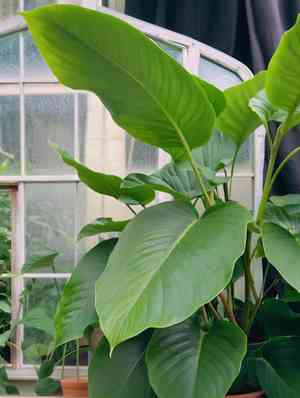
Pampano (Calathea lutea)
Also known as: Cigar Calathea, Havana Cigar
The plant you're thinking of is the Pampano (Calathea lutea), native to Central and South America. It features large, tough leaves with a waxy coating that repels water. These durable leaves are not edible but are commonly used for wrapping Guatemalan tamales and other items. Additionally, they serve as excellent materials for thatching roofs.
In This Article
Attributes of Pampano
Lifespan
Perennial
Plant Type
Herb
Plant Height
1.8 m to 3 m
Spread
80 cm to 1.6 m
Leaf Color
Green
Flower Size
30 cm
Flower Color
Yellow to orange
Images of Pampano
Quickly Identify Pampano
1
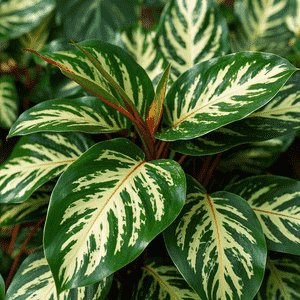
Identify Calathea lutea by its large, broad leaves with a waxy texture, along with its unique, cigar-shaped flower bracts that can be yellow to orange in color. The foliage is generally a rich green on the upper side and lighter green underside.
Scientific Classification of Pampano
Phylum
Vascular plants
Class
Monocotyledons
Order
Zingiberales
Family
Arrowroot
Genus
Prayer plant
Species
Pampano
Planting and Growing of Pampano
Care Difficulty
Hard
Watering Schedule
Every 8 days
Sunlight Requirements
Full shade
Sunshine Duration
4-8 hours
Ideal Temperature
65-75℉
Soil Type
Potting Mix, Peat Mix
Soil pH
6.5-7.5
Fertilizer Type
Balanced
Pruning Season
Spring, Summer
Pruning Area
Branches, Leaves
Pruning Frequency
Once a year
Repotting Season
Spring
Pot Type
Plastic, Ceramic
 How to Water Pampano?
For Calathea lutea, the key to proper watering is consistency without over-saturation. Water until the soil is uniformly moist but not waterlogged. This usually means adding about 250ml of water per session, ensuring it thoroughly soaks through the soil to promote healthy root growth. Check for excess water drainage to prevent soggy conditions.
What are the symptoms of an underwatered Pampano?
›
What should I do if my Pampano is not getting enough water?
›
What are the symptoms of an overwatered Pampano?
›
How to save an overwatered Pampano?
›
 What Are the Sunlight Requirements for Pampano?
Calathea lutea prefers partial sun to full shade. Ensuring the plant receives filtered light significantly benefits its growth by enabling efficient photosynthesis, enhancing leaf health and maintaining vibrant patterns without risk of damage.
More About Sunlight Requirements Techniques→
What is the perfect amount of light?
›
How can you achieve ideal lighting?
›
What are the benefits of ideal lighting?
›
 What Is the Ideal Temperature Range for Pampano?
The ideal temperature range for Calathea lutea is between 65°F and 75°F. This range ensures optimal growth and vibrant foliage, typical of its native tropical environment. Beyond this range, physiological stress may occur, which can impede growth and health.
 What Soil is Best for Pampano?
Calathea lutea thrives in loam or sandy loam soils which can retain moisture without becoming waterlogged. This balances the plant’s need for hydration with its dislike of standing water, promoting healthy growth. A nutrient-rich environment is essential for Calathea lutea. This plant demands soil that is not only rich in organic matter but also allows for the slow release of nutrients, supporting its vigorous foliage production. Aeration is crucial, as compacted soil can suffocate Calathea lutea's roots. Soil with good aeration promotes root respiration and health, ensuring the plant's overall vitality and resistance to diseases.
 How to Fertilize Pampano?
Calathea lutea prefers a gentle touch when it comes to fertilization. Use half the recommended strength stated on most liquid fertilizer labels, as this ensures the plant receives nutrients without risk of root burn. For solid fertilizers, a quarter of the slow-release fertilizer, recommended by the manufacturer, is usually sufficient.
 How to Prune Pampano?
Begin by examining the plant for any brown, yellow, or dead leaves. These should be your first target in pruning, as removing them encourages healthier, new growth. For the best results, make clean cuts at the base of the affected stems or leaves. Position your shears as close to the base as possible without damaging the surrounding healthy foliage. After removing damaged leaves, look for areas of excessive growth that may be shading other parts of the plant. Thin or outward-growing leaves can be trimmed to maintain a rounded, attractive shape.
More About Pruning Techniques→
 How to Propagate Pampano plant?
1
Before division, it is important to ensure the parent plant is well-watered and healthy. This allows easier division and better establishment of new plants.
2
Gently remove the plant from its pot and separate the roots into smaller sections with at least a few leaves and adequate roots. Avoid damaging the roots during this process.
3
Each division should be planted in a pot filled with quality potting soil. Water lightly to help settle the soil and place in a warm, humid environment to encourage growth.
 How to Repot Pampano plant?
1
Calathea lutea offers clear signals when it's time for repotting. If you notice slow growth or roots protruding through the drainage holes, it's an indicator that the plant has outgrown its pot. Ideally, repotting should be done in the growing seasons of spring or summer to optimize recovery and growth.
2
Select a pot that's one to two inches larger in diameter than the current pot. This ensures adequate space for root expansion, while preventing excess soil moisture that can lead to root rot. Ensure the pot has sufficient drainage holes to allow for proper water flow.
3
Opt for a well-draining, organic-rich potting mix that retains moisture without becoming waterlogged. This blend promotes healthy root growth by keeping roots aerated and providing essential nutrients. Adding perlite or orchid bark can improve drainage.



