How to Prune Pampano?
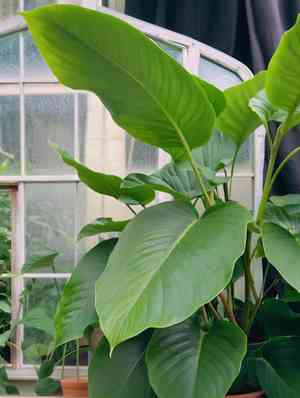
Recognized for its expansive, oar-shaped foliage and its application as a tropical decorative plant, pampano thrives with judicious trimming to preserve its vitality and visual appeal. Essential methods involve detaching deceased or discolored leaves from the plant's base, and shortening any elongated stalks to foster denser development. The most effective time for pruning is in late winter or early spring, in preparation for the active growth period. Trimming not only sculpts pampano but also incites fresh development, augmenting its vibrant look.
Advantages of Trimming Pampano
Advantages of Trimming Pampano
Trimming pampano promotes more vigorous development by redirecting energy to new growth, while also maintaining its form for visual appeal and a manageable size.
Optimal Time for Trimming Pampano
Optimal Time for Trimming Pampano
Trimming pampano during early spring or late winter coincides with its dormant phase, just before the start of its new growth cycle. This timing allows pampano to recover swiftly and channel energy into new growth as temperatures rise and daylight increases. It minimizes stress and potential harm to the plant because pampano is not actively producing foliage, blooms, or fruits, thereby lowering the risk of plant shock or pest infestation. Furthermore, trimming before the growth cycle offers an opportunity to shape the plant and remove any dead or damaged leaves without affecting its overall vitality.
Tools Required for Trimming Pampano
Sharp Bypass Pruners
Perfect for making clean cuts on pampano's tender stems, reducing damage and encouraging rapid healing.
Gardening Gloves
Protects hands from pampano's sap and any sharp edges during trimming.
Pruning Shears
Ideal for snipping smaller leaves or removing dead foliage without harming the rest of the plant.
Clean Cloth
Used to wipe blades clean between cuts to prevent the spread of disease among pampano's leaves.
How to Trim Pampano
Sanitize Tools
Sterilize pruning shears with rubbing alcohol or a bleach solution to prevent the spread of disease when trimming pampano.
Examine
Carefully inspect pampano, identifying diseased or withered leaves that need trimming for the plant's overall well-being.
Trimming Diseased Leaves
Gently snip off diseased leaves at their base where they meet the stem, ensuring not to harm healthy parts of pampano.
Trimming Withered Leaves
Trim withered leaves in a similar fashion, cutting at the base to maintain a neat appearance and encourage better growth in pampano.
Disposal
Properly dispose of all trimmed material, away from healthy plants to prevent any potential spread of disease to pampano or other plants.
Common Trimming Errors with Pampano
Excessive Trimming
Removing too much foliage at once can stress pampano and impede its growth. Aim to trim no more than a quarter of the plant at a time.
Incorrect Technique
Cutting the leaves of pampano with a dull blade or tearing them can lead to damage and disease. Always use sharp, sterile trimming tools.
Trimming Healthy Foliage
Unnecessarily cutting back healthy leaves can weaken pampano. Focus on removing only damaged or yellowing leaves to promote plant health.
Ignoring Plant Structure
Failing to consider the natural growth pattern of pampano may result in an unbalanced or distorted shape after trimming. Trim with the plant's structure in mind.
Neglecting Tool Cleaning
Not sterilizing trimming tools before and after use can spread diseases among plants. Sterilize tools to prevent the transmission of pathogens.
General Trimming Advice for Pampano
Targeted Trimming
Gently trim away yellow or brown leaves from pampano to maintain a healthy appearance and encourage new growth.
Cut At Base
When removing a leaf, always cut close to the base without damaging the main stalk, allowing for a cleaner healing process.
Enhancing Air Flow
Thin out crowded areas to improve air circulation among the leaves of pampano, reducing the risk of fungal infections.
Post-Trimming Care
After trimming pampano, provide adequate watering and light to support recovery, but avoid overwatering as it may lead to root rot.
Ongoing Evaluation
Regularly assess the condition of pampano post-trimming, making any necessary adjustments to care routines to ensure optimal plant health.



