How to Transplant Pampano?
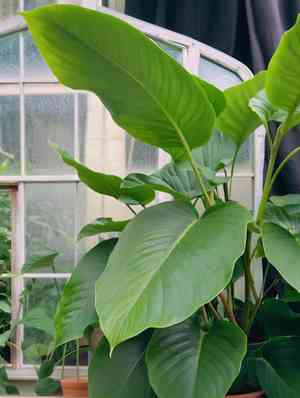
For pampano, the ideal period for relocation is from late spring to early summer, fostering vigorous development. Select a shaded spot featuring damp, well-draining earth. Careful manipulation during the move enhances success, without detailing particular procedures here.
What Preparations are Needed Before Transplanting Pampano?
What is the Ideal Time for Transplanting Pampano?
The optimal period for relocating pampano is from late spring to early summer. This timeframe offers increasing warmth and stable temperatures, crucial for root establishment in new environments without extreme heat or cold. Utilize this season to give pampano a significant advantage, as ample moisture and mild weather conditions support excellent root development. Transplanting now boosts success rates, promoting vigorous growth throughout the year.
How Much Space Should You Leave Between Pampano Plants?
Excellent choice to move your pampano! It's best to allow them room to expand, approximately 2-3 feet (60-90 cm) apart. This guarantees proper root development and sufficient sun exposure.
What is the Best Soil Mix for Pampano Transplanting?
For your pampano, preparing a rich, well-draining soil is essential. A soil blend of loam and sand, enriched with a foundational organic fertilizer, should be effective. Happy gardening!
Where Should You Relocate Your Pampano?
When choosing a spot for your pampano, remember it thrives in sunlight! However, it dislikes excessive heat. A location receiving partial sun exposure throughout the day would be perfect.
What Equipments Should You Prepare Before Transplantation Pampano?
Gardening Trowel
To excavate small holes for the pampano plant.
Garden Spade
A larger implement for preparing the transplant site.
Watering Can
To hydrate the pampano plant before, during, and after the relocation process.
Gardening Gloves
To safeguard your hands while handling soil and the plant.
Wheelbarrow or Bucket
For moving the pampano plant from its original spot to its new one.
Gardening Pruning Shears
To trim excess growth and maintain the plant's manageability during transplantation.
Stretch Film or Burlap
To safeguard the root ball during transit.
Organic Mulch
To aid in retaining soil moisture post-transplant.
How Do You Remove Pampano from the Soil?
How Do You Remove Pampano from the Soil?
From Ground: Prior to beginning, ensure to water the pampano plant to moisten the soil. This not only simplifies digging but also helps keep the root ball intact. Use a spade to dig a wide trench around the plant, ensuring ample space to avoid damaging the root ball. Carefully work the spade beneath the root ball and gently lift the plant from its initial location. Wrap the root ball in burlap or stretch film to protect it during transport.From Pot: Again, water the pampano plant, then gently tilt the pot on its side, making sure to support the plant's base. Gradually rotate the pot and lightly pull on the pampano's base until it comes out. If the plant seems stuck, try tapping the pot's sides to loosen it.From Seedling Tray: If the pampano is in a seedling tray, water it and allow it to absorb for a few minutes. Next, gently push the plant up from the bottom, catching it as it emerges from the cell. Be careful to hold it by the leaf, not the stem or root, to prevent damage.
Step-by-Step Guide for Transplanting Pampano
Preparation
Start by getting the new location ready. Use your garden spade to dig a hole that is roughly twice as wide and the same depth as the pampano's root ball.
Placement
Position the pampano in the center of the hole and spread its roots within. Ensure the top of the roots is at ground level or slightly above to prevent waterlogging.
Backfilling
Refill the hole with the soil you previously removed, gently firming it around the pampano's roots. It's crucial not to over-compact the soil, as this can hinder oxygen supply to the roots.
Watering
Thoroughly water the pampano plant to settle the soil around its roots, ensuring no air pockets remain.
Mulching
Apply a layer of organic mulch around the plant's base, but avoid direct contact with the stem. This will help maintain soil moisture and temperature while suppressing weed growth.
How Do You Care For Pampano After Transplanting?
Watering
Keep the soil around pampano consistently moist, but not waterlogged, for the initial weeks post-transplant to aid in strong root establishment.
Growth Monitoring
Observe the pampano's development in the subsequent weeks. Healthy new growth typically indicates a successful transplant.
Pruning
Remove any dead or dying foliage after transplanting. This helps the pampano direct its energy towards developing robust roots.
Disease and Pest Control
Watch the pampano for signs of disease or pests. If anything unusual is observed, take a sample of the affected part to a local nursery for identification and recommended treatment.
Troubleshooting Common Issues with Pampano Transplantation.
When is the ideal time to transplant pampano?
The preferred period falls between the third and fourth seasons of the year. Transplanting pampano during this time allows the plant to establish itself before extreme weather conditions arrive.
What is the suitable spacing for transplanting pampano?
Provide pampano with ample room by placing them 2-3 feet (60-90 cm) apart. This ensures optimal growth and prevents competition for nutrients among plants.
How should I prepare the new location for pampano before transplanting?
Begin by digging a hole twice as wide and equal in depth to the plant's root ball. Enriching the soil with compost can improve it and enhance pampano's growth prospects.
How deeply should I plant pampano?
The pampano should be planted at the same depth it was in its previous container. This helps the plant adapt easily and prevents issues like root rot.
What is the best method to remove pampano from its old pot?
Ensure the soil is slightly damp before extracting pampano from its old pot. Gently tap the sides and bottom to release it, taking care not to harm the roots.
What should I do if the roots of pampano are tangled or bound?
If the pampano's roots are tangled, gently loosen them before planting. This aids root establishment and promotes a healthier plant.
How often should I water pampano after transplanting?
Pampano generally prefers consistently moist, but not waterlogged, soil. Water generously after transplanting, then maintain regular watering to keep the soil evenly moist.
Should I fertilize pampano immediately after transplanting?
Refrain from fertilizing immediately after transplanting. Once pampano shows signs of new growth, apply an organic all-purpose fertilizer, following package directions.
How can I support pampano's growth post-transplant?
Shield pampano from harsh weather by providing shade or moving it indoors if feasible. Mulching around the base can also help retain moisture and regulate soil temperature.
What signs should I watch for to ensure pampano is adapting well post-transplant?
Look for new leaf development and healthy foliage. If pampano begins wilting, browning, or exhibiting stunted growth, it may be struggling to adjust or require more attention.



