How Much Sunlight Do Pampano Need?
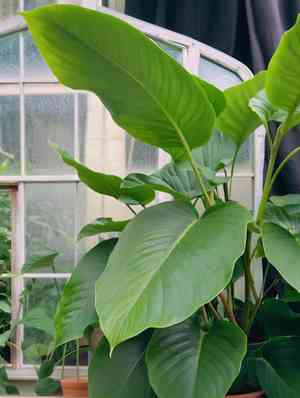
1
Pampano flourishes optimally in luminous, diffused illumination.
2
Refrain from subjecting Pampano to direct sun exposure to avert foliage scorching.
3
Should your Pampano exhibit poor growth, insufficient light could be the cause.
Optimal Light Conditions for Pampano
Bright, Indirect Illumination
For your Pampano to remain robust and vibrant, providing appropriate lighting is crucial. This plant thrives in bright, indirect light. Envision gentle morning sun or light softened by a sheer curtain. Direct sunlight, especially during peak midday hours, can be overly intense and detrimental to your plant.
Avoid Direct Sun Exposure
While Pampano appreciates a well-lit location, direct sun can be harmful. Intense rays can scorch foliage, leading to unsightly damage and compromising the plant's overall health. Always position it where it receives light without being directly hit by strong sunbeams. East or west-facing windows are typically excellent options.
Indicators of Excessive Sun for Pampano
Leaf Scorch and Discoloration
A primary indicator that your Pampano is receiving too much sunlight is leaf burn. This manifests as brown, crispy edges on leaves or discolored patches. Leaves may begin to curl or become brittle, signaling sun stress. If these signs appear, it's time to move your plant to a more shaded spot.
Wilting and Drooping Foliage
If your plant's leaves start to wilt or droop despite consistent watering, it could signify overexposure to light. The stress from too much sun can hinder the plant's ability to retain moisture, resulting in wilted leaves. Relocate your Pampano to an environment with more indirect light to restore its vigor.
Indicators of Insufficient Sun for Pampano
Stunted Development
A healthy Pampano should exhibit consistent growth. If you observe that your plant isn't developing as quickly as anticipated, it might indicate inadequate light. Insufficient sunlight leads to slower photosynthesis, impeding the plant's overall development. Ensuring your Pampano gets ample light can help it flourish more effectively.
Pale or Yellowing Leaves
When a Pampano doesn't receive enough light, its leaves may become pale or begin to yellow. This signals that the plant is struggling with photosynthesis due to insufficient light levels. Moving the plant to a brighter location can often resolve this issue, restoring the rich green color and health of the foliage.
Adjusting Pampano's Sunlight
Utilizing Sheer Drapes
A practical method to ensure your Pampano receives the correct amount of light is by using sheer curtains. These curtains diffuse light, providing a soft, filtered sunlight that is ideal for the plant. This setup protects from harsh, direct sun while still offering sufficient illumination.
Placement Near East or West-Facing Windows
Positioning your Pampano near east or west-facing windows is an excellent choice. These windows typically receive filtered sunlight that isn't overly intense, offering optimal conditions. Morning light from the east or the softer afternoon light from the west is precisely what your plant requires.
Employing Grow Lights
In situations where natural light is scarce, grow lights can be invaluable. These specialized lights emulate the sun's spectrum, providing the necessary light for photosynthesis. Position the grow light approximately 30 cm (12 inches) above the plant and keep it on for about 10-12 hours daily to supplement natural light.
Seasonal Light Adjustments for Pampano
Winter Light Requirements
During colder months, the intensity and duration of natural sunlight decrease. Your Pampano will still need adequate light, so consider moving it closer to windows or increasing the use of grow lights to compensate for shorter days and reduced sun exposure.
Summer Light Modifications
In summer, sunlight can be very strong. Ensure your Pampano isn't exposed to harsh direct sunlight during midday. Instead, place it in a spot where it can benefit from morning or late afternoon sun, or use sheer curtains to diffuse the light.



