How to Propagate Pampano?
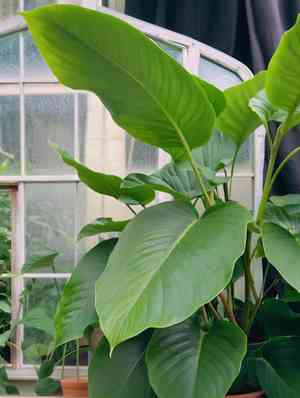
Perfect for those who appreciate tropical greenery, pampano flourishes in balmy and damp settings, commonly encountered indoors or in sheltered outdoor areas where frost is absent. Reproduce pampano by carefully separating the root rhizome, making sure every piece possesses sufficient roots and a minimum of one sprout. Gently divide the root mass to lessen shock, then embed these segments into a well-draining, hydrated soil blend exceptionally abundant in organic components. Following propagation, regular irrigation and diffused illumination assist in the establishment and development of young pampano plants.
Optimal Time for Pampano Propagation
Propagation Method
Division
Propagation Period
Spring,Autumn
Tools for Pampano Propagation
Sharp, sterile knife or scissors
These are vital for making clean cuts through the pampano rhizomes during division. A sharp, sterilized tool prevents tissue damage and lowers infection risk, which is key for the plant's health and quick recovery post-propagation.
Watering can with a fine rose
After division, pampano needs consistent moisture for root development. A watering can with a fine rose attachment allows for gentle irrigation that won't disturb new divisions or wash away soil, ensuring optimal hydration.
Rooting hormone (optional)
While not always essential, applying rooting hormone to the cut surfaces of pampano rhizomes can boost root growth and accelerate new plant establishment. It aids faster adaptation and improves overall propagation success.
Pots with drainage holes
Ideal for potting divided pampano sections, pots with proper drainage prevent waterlogging, which harms the plant's root health. Good drainage is crucial to avoid root rot and other moisture-related diseases in pampano.
High-quality potting mix
A well-draining, nutrient-rich potting mix supports pampano growth by providing essential nutrients and an aerated soil structure for newly divided plants. This helps establish a strong root system more effectively.
Propagating Pampano Guide
Propagation Difficulty
Easy
Post-Propagation Care for Pampano
Post-Propagation Care for Pampano
After division, place new pampano plants in a warm, humid spot with indirect light. Keep the plant consistently moist, avoiding direct sun which can scorch leaves. Water again when the top inch of soil begins to dry. Maintain proper humidity, if possible, to mimic its natural habitat. After several weeks, once new growth appears, feed with a balanced, diluted liquid fertilizer monthly during the growing season. Monitor for stress or pests, adjusting care as needed.
Common Propagation Errors for Pampano
Insufficient humidity
Pampano propagation requires high humidity. Without a humid environment, new plants may not develop correctly and could suffer from dehydration.
Excessive watering
While pampano enjoys moisture, overwatering during propagation can lead to fungal diseases or root rot, hindering healthy growth.
Poor cutting choice
Using weak or diseased cuttings for propagation can result in rooting failure or lack of growth. Healthy mother plant sections are vital.
Neglecting soil quality
Soil that drains poorly or lacks organic matter can negatively impact pampano root development, leading to stunted growth or decay.
Overexposing to direct sunlight
Pampano prefers indirect light. Direct sunlight can scorch the leaves of new propagates and stress the plant.
Pampano Propagation Tips
High humidity environment
Provide a consistently high-humidity environment for pampano to flourish, such as using a humidity dome or regular misting.
Monitor water levels
Keep pampano soil moist but not waterlogged. Monitoring soil moisture will help prevent overwatering.
Select healthy cuttings
Ensure propagation begins with healthy, disease-free cuttings to increase the likelihood of successful rooting and growth.
Optimal soil conditions
Use a well-draining soil mix rich in organic matter to encourage healthy root development for pampano.
Indirect lighting
Place pampano in bright, indirect light to promote growth without the risk of sunburn or excessive heat stress.



