Enhancing Your Garden Design with the Pampano Plant: A Landscaping Guide
1
Pampano serves as an excellent choice for establishing prominent features in garden areas.
2
Thoughtful positioning of Pampano aids in optimizing light exposure and boosting seclusion.
3
Integrating other plants with Pampano optimizes the advantages of your garden layout.
Introducing Pampano for Garden Design
Pampano's distinct visual appeal
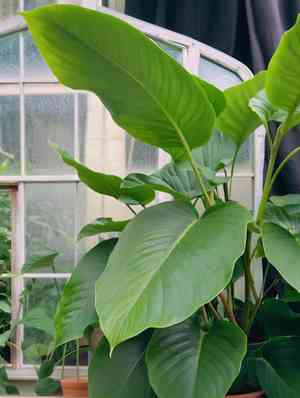
For an outstanding garden, Pampano is an excellent choice due to its unique aesthetic. This plant features large, abundant leaves that create a striking display, giving your garden a tropical feel. Its prominent foliage can serve as an ideal background for other vibrant plants, making them stand out and adding depth to your landscape. Its upright growth also provides vertical interest, making your garden visually dynamic.
Popular garden styles featuring Pampano
Integrating Pampano into your garden design allows for many creative styles. Whether you're aiming for a contemporary, tropical, or jungle-inspired garden, this adaptable plant fits perfectly. It complements minimalist garden designs, offering a bold statement with its architectural leaves. Conversely, it's equally suitable for more diverse settings where its broad leaves can mimic the dense growth found in natural forests. Pampano's versatility makes it a valuable addition to various garden themes, from serene zen gardens to rustic outdoor spaces.
Strategic Placement of Pampano in Outdoor Areas
Creating focal points with Pampano
Utilizing Pampano as a garden focal point is an excellent way to attract attention and add visual interest. Placing it in key spots, such as near the entrance or along pathways, can guide the eye and create a sense of exploration within the space. Its impressive size and lush foliage make it a natural centerpiece, around which other plants and garden elements can be arranged. This results in a harmonious and visually engaging garden layout that highlights Pampano's unique characteristics.
Balancing light and shade
Pampano thrives in filtered light, making it perfect for gardens that need a careful balance of sun and shade. Strategic placement can help regulate light levels for other plants more sensitive to direct sun. Additionally, Pampano can fill shaded areas beneath taller trees or structures, ensuring these spots are also full of green growth. Understanding Pampano's light needs allows for effective positioning, ensuring optimal growth and contributing to your garden's overall health.
Enhancing privacy and boundaries
Beyond its beauty, Pampano is a practical plant that can boost privacy in your outdoor area. Its wide leaves and tall stature can form natural screens, obscuring views and creating secluded spots for relaxation or dining. By planting Pampano along garden edges or near fences, you can define borders without needing hard landscaping materials. This organic approach to privacy offers a more peaceful and natural feel, contributing to a calm garden atmosphere.
Companion Planting with Pampano
Ideal companion plants for Pampano
Selecting suitable companion plants for Pampano is vital for creating a balanced and flourishing garden. Plants with similar light and moisture needs, such as ferns, hostas, and other tropical varieties, pair well with Pampano. These companions can enhance the tropical theme and ensure a unified look. Furthermore, using flowering plants that contrast with Pampano's bold foliage can add seasonal appeal and color to your landscape. The right companions not only create visual harmony but also foster a healthy growing environment.
Advantages of companion planting
Companion planting with Pampano offers several benefits beyond aesthetics. When planted alongside other compatible species, Pampano can help maintain soil moisture, provide natural pest control, and support overall ecosystem health. Companion plants can share resources efficiently, reducing the need for extra inputs like fertilizers and water. This cooperative relationship not only benefits individual plants but also promotes a more sustainable and resilient garden. Understanding companion planting principles can help you maximize Pampano's advantages in your landscape.
Seasonal Considerations for Pampano
Adapting to seasonal changes
Gardening with Pampano requires understanding its interaction with changing seasons. While generally resilient, ensuring adequate protection during extreme weather is crucial. During wet seasons, proper drainage and preventing waterlogging are essential, while in drier months, consistent watering and mulching help retain soil moisture. Adjusting your care routine to seasonal needs ensures Pampano remains healthy and vibrant year-round.
Preparing Pampano for colder months
As temperatures drop, preparing Pampano for winter becomes necessary. Protective measures like mulching around the plant's base can help insulate roots from frost. In areas with harsher winters, consider using frost covers or moving potted Pampano to warmer locations. Reducing watering during colder months is also vital to prevent root rot. By taking these steps, you can ensure Pampano survives and thrives despite winter's challenges.
Maximizing seasonal beauty
Maximizing Pampano's seasonal beauty involves appreciating its changing appearance throughout the year. In spring and summer, its lush foliage is at its peak, providing a vibrant backdrop for seasonal blooms. In autumn, the leaves may develop richer hues, adding a new layer of interest to your garden. By designing your garden to highlight these seasonal shifts, you can enjoy Pampano's evolving beauty year-round, keeping your landscape fresh and engaging in every season.
Maintenance Tips for Pampano in Landscaping
Routine care practices
Maintaining Pampano in your landscape involves regular practices to keep it healthy and looking its best. This includes consistent watering, ensuring the soil stays moist but not waterlogged. Pruning dead or damaged leaves encourages new growth and maintains a neat appearance. Fertilizing during the growing season with balanced, slow-release fertilizers provides essential nutrients. Regularly check for pests and diseases, acting promptly to resolve issues. These care practices ensure Pampano remains a vibrant part of your garden.
Addressing common problems
Like any plant, Pampano can encounter common issues such as pest infestations, fungal infections, or nutrient deficiencies. Early detection and treatment are crucial for effective management. Use organic or chemical treatments as needed, always following best application practices. Ensuring proper air circulation around the plant can help prevent fungal problems, while balanced fertilization addresses nutrient deficiencies. By staying vigilant and proactive, you can keep Pampano healthy and prevent minor issues from becoming major problems.



