How Often Should You Water Your String of buttons?
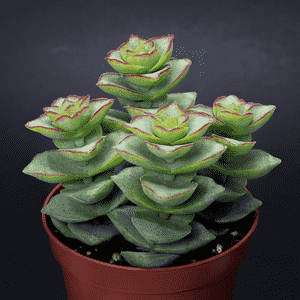
1
Generally, hydrating your String of Buttons every fortnight is optimal.
2
Utilize a substrate that drains efficiently to deter root rot, a frequent issue for succulents receiving excessive water.
3
Let the soil fully desiccate prior to re-watering.
Deciphering the Hydration Requirements of String of buttons
Identifying the Indicators of Insufficient Watering
Undersupplying water to your String of buttons can result in several recognizable clues that should prompt a revision of your irrigation regimen. Frequently, the succulent foliage will begin to wrinkle and become fragile. These plants store moisture in their fleshy leaves, so when dehydrated, the leaves lose their fullness and may even start to sag. Furthermore, their color might diminish, appearing dull or slightly brownish. Paying close attention to these signs can help maintain your plant's health.
Recognizing Manifestations of Excessive Watering
Excessive watering is a prevalent problem for String of buttons and can be harmful to its well-being. Signs of overwatering include foliage yellowing, a soft stem, and leaf shedding. Often, the succulent's leaves will feel tender and might even appear transparent due to too much water absorption. Over time, root decay can occur, causing irreparable harm. Awareness of these symptoms allows for corrective action before your plant's condition worsens.
Ideal Soil Moisture Levels for Robust Development
For String of buttons, maintaining appropriate soil moisture is paramount. These succulents flourish in quick-draining soil that emulates their natural rocky habitats. The potting medium should be allowed to completely dry out between watering sessions. You can gauge soil dampness by inserting your finger approximately 2.5 cm (1 inch) into the soil; if it feels arid, it's time to irrigate. Consistent monitoring ensures your plant receives the optimal amount of water for vigorous growth.
Optimal Strategies for Irrigating String of buttons
Selecting Appropriate Watering Implements and Methods
Employing the correct tools and techniques can enhance the efficiency of watering your String of buttons. A watering can featuring a slender spout is ideal, enabling precise water delivery to the soil rather than wetting the foliage. It's crucial to irrigate thoroughly until water exits the drainage holes. This encourages deeper root development, improving plant stability and vitality. Avoid spraying, as succulents prefer their leaves to remain dry.
Watering Frequency Across Different Seasons
The irrigation frequency for your String of buttons needs adjustment according to seasonal changes. During the active growth period in spring and summer, watering every two weeks is recommended. However, in autumn and winter, the plant enters a dormant stage and requires significantly less moisture. Watering once a month is typically adequate during colder periods. Adapting your watering schedule seasonally can foster vigorous growth and prevent water-related issues.
Modifying Watering Based on Environmental Conditions
Environmental elements such as humidity, temperature, and light intensity significantly influence the watering needs of your String of buttons. In a dry and warm setting, the soil will dehydrate faster, necessitating more frequent irrigation. Conversely, in a humid or cooler environment, less frequent watering is required. Always consider your specific surroundings and adjust your watering regimen accordingly. Monitoring these conditions helps maintain an optimal watering routine for healthy plant development.
Resolving Common Hydration Problems
How to Revitalize an Overwatered String of buttons
Reviving an overwatered String of buttons demands immediate intervention. First, remove the plant from its container and carefully examine the roots. Excise any black or soft roots with sterilized shears, as these signify root decay. Repot the plant in fresh, well-draining soil and ensure the new pot has sufficient drainage openings. Allow the plant to air dry for several days before resuming a cautious irrigation schedule. This procedure assists the plant in recovering and prevents further damage.
Addressing Pests and Diseases Linked to Inadequate Watering
Improper irrigation can lead to pest infestations and diseases in your String of buttons. Overwatered plants are particularly susceptible to fungal infections and pests such as mealybugs that thrive in damp conditions. To combat these issues, improve air circulation around the plant and use an insecticidal soap or neem oil to treat infestations. Regularly inspect your plant for signs of pests and diseases, and modify your watering practices to create an environment less favorable for these problems.



