How to Overwinter String of buttons
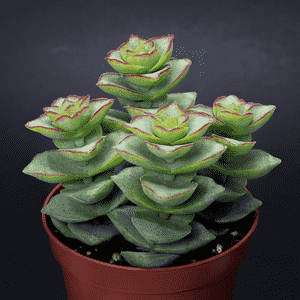
1
The String of buttons is a delicate succulent, indicating its inability to endure freezing conditions.
2
Always inspect your plant for insects prior to moving it inside for the colder months.
3
String of buttons requires ample, filtered light, even in winter, to thrive.
Why Overwinter Your String of buttons?
Why Overwinter Your String of buttons?
As a delicate succulent, the String of buttons (Crassula perforata) cannot endure freezing temperatures. Bringing your String of buttons indoors for winter is vital to shield it from frost damage and ensure its continued vitality. By overwintering, you not only protect your plant from the cold but also allow it to maintain its health and strength, ready to flourish once warmer weather returns.
Preparing Your String of buttons for Overwintering
Checking for Pests and Diseases
Before relocating your String of buttons indoors for the colder months, it's crucial to thoroughly inspect it for any indications of pests or diseases. Common pests that might affect your succulent include aphids, mealybugs, and spider mites. Carefully examine the leaves and stems, as these tiny invaders can cause significant harm. If detected, treat the plant with an appropriate insecticidal soap or neem oil to ensure it's pest-free before moving it inside.
Pruning and Cleaning
Next, give your String of buttons a thorough trim to remove any dead or damaged foliage. This not only helps the plant conserve energy but also reduces the likelihood of pests finding a home. After pruning, gently clean the plant's leaves with a damp cloth to remove dust and debris. This will enable the plant to absorb more light and enhance overall photosynthesis efficiency during its indoor stay.
Adjusting Lighting Conditions
Succulents like the String of buttons thrive in bright light environments. Before moving it indoors, try to replicate its natural light conditions as closely as possible. Position the plant near a south-facing window where it can receive indirect, ample light. If natural light is insufficient, consider employing a grow light to ensure the plant receives the 6-8 hours of light it requires daily.
Watering Schedule Before Bringing Indoors
Reduce irrigation as you prepare to bring your String of buttons indoors. Succulents need less water during the winter months because they enter a dormant phase. Allow the soil to dry out completely between watering sessions, and ensure the pot has adequate drainage to prevent root rot. A good guideline is to water your succulent every 3-4 weeks during winter.
Indoor Care During Winter
Ideal Indoor Temperature
Maintain an indoor temperature between 15-24°C (59-75°F) for your String of buttons. While succulents are relatively tolerant of temperature shifts, prolonged exposure to extreme temperatures can stress the plant. Keep your plant away from drafty windows and heating vents to maintain a consistent temperature environment.
Providing Sufficient Light
Ensure your String of buttons receives adequate light during winter. Place it near a bright window, ideally facing south or west, where it can get indirect sunlight. If natural lighting is insufficient, use a full-spectrum grow light to supplement the plant's light needs. Aim for at least 6-8 hours of light daily to keep the plant healthy.
Humidity Levels
Succulents prefer low humidity settings. During winter, indoor air can become quite dry due to heating systems, which is generally suitable for succulents. Aim to maintain a humidity level between 30-40%. Avoid placing a humidifier near your String of buttons, as excessive moisture can lead to fungal diseases.
Watering and Feeding Guidelines
Reduce watering frequency during winter, ensuring the soil completely dries out between waterings. Overwatering is a common issue that can lead to root rot. Water sparingly, approximately once every 3-4 weeks. Feeding is generally unnecessary during winter dormancy. Resume a regular feeding schedule in spring with a balanced, diluted succulent fertilizer.
Monitoring for Pests Indoors
Even indoors, pests can still be a concern. Regularly check your String of buttons for signs of pests like aphids or mealybugs. If you spot any, treat the plant with insecticidal soap or neem oil immediately. Periodically cleaning the leaves with a damp cloth can also help prevent pest infestations.
Common Problems and Solutions
What if My String of buttons Drops Leaves?
Leaf shedding can be concerning, but it's often a reaction to stress. Ensure your plant is receiving sufficient light and not too much water. If you recently moved it, the plant might be adapting to its new surroundings. Continue to monitor the light, temperature, and watering schedule to stabilize the plant's conditions.
Dealing with Overwatering Issues
Excessive watering is a common error with succulents. If you notice the leaves becoming soft or transparent, it could indicate overwatering. Allow the soil to dry out completely, and re-evaluate your watering schedule. Repotting in fresh, well-draining soil may also help if the roots are compromised.
Addressing Light Deficiency
Insufficient light can cause your String of buttons to stretch or etiolate, resulting in elongated growth. If natural light is limited, use a grow light to provide the necessary illumination. Adjust the light source to ensure the plant receives 6-8 hours of bright light daily to prevent further stretching.



