How to Propagate String of buttons?
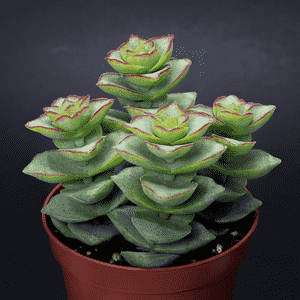
Crassula perforata can be multiplied using soft stem sections, ideally collected in the spring and summer seasons. This technique presents a moderate challenge, yet indicators of successful multiplication involve the appearance of fresh roots and leaves. Essential advice for propagation includes employing a potting blend that drains effectively and ensuring the cuttings remain warm and hydrated.
Optimal Time for String Of Buttons Propagation
Propagation Method
Cutting
Propagation Period
Spring, Summer
Tools for String Of Buttons Propagation
Sharp Scissors or Pruners
These implements are vital for making clean incisions on string of buttons. A keen edge ensures a smooth cut, minimizing harm to the parent plant and the cutting, thereby boosting the likelihood of successful rooting.
Rooting Hormone
This product stimulates root development at the severed end of string of buttons cuttings. It contains synthetic auxins that encourage quicker and more uniform root growth, which is crucial for the cuttings' establishment.
Sterilizing Agent (e.g., alcohol or bleach solution)
Used to sanitize cutting instruments before and after taking cuttings from string of buttons, preventing the spread of diseases that could jeopardize the propagation process.
Well-draining Soil Mix
A specialized soil blend, such as a cactus or succulent mix, offers the correct balance of drainage and moisture retention required by string of buttons cuttings to root effectively without decaying.
Plant Pots with Drainage Holes
Pots featuring drainage holes are essential as they prevent water from accumulating at the base, reducing the risk of root rot and other water-related issues during string of buttons's rooting phase.
Plastic or Glass Containers
Utilized to create a humid environment around string of buttons cuttings by covering them, mimicking a greenhouse effect, and increasing the chances of successful rooting.
Watering Can with a Fine Rose
This allows for gentle irrigation without disturbing the soil or the newly planted cuttings of string of buttons, which is critical for the delicate initial stage of root development.
Misting Bottle
Delivers a fine spray to maintain high humidity around string of buttons cuttings, which is important in preventing the cuttings from drying out before they have had the opportunity to root.
Tweezers or Chopsticks
These can be employed for placing small string of buttons cuttings into narrow or delicate containers when fingers might be too large or could cause damage to the tender cuttings.
How to Propagate String Of Buttons?
Propagation Type
Cutting
Difficulty Level
Easy
Caring for Your Newly Propagated String Of Buttons
Caring for Your Newly Propagated String Of Buttons
Post-propagation, continue to care for string of buttons by providing bright, indirect light, well-draining soil, and minimal watering, allowing the soil to dry out between waterings. Shield string of buttons from frost and avoid overwatering to prevent root rot. Fertilize sparingly during the active growth period.
Common Mistakes to Avoid When Propagating String Of Buttons
Overwatering cuttings
Supplying too much water to string of buttons's cuttings can lead to decay. The stems and leaves are succulent and store water, so excessive moisture can impede root development, resulting in fungal growth and decomposition.
Using dull tools
Cutting string of buttons with blunt or unsanitized tools may cause tissue damage, inviting pathogens and potentially leading to infections, which can hinder the plant's ability to root and grow.
Too deep planting
Planting string of buttons cuttings too deeply in soil can cause the buried sections to rot before roots have a chance to form. Shallow planting ensures better air circulation and promotes root growth.
Neglecting humidity
Ignoring the importance of humidity levels can lead to dehydration of the string of buttons cuttings. While they require less water, moderate humidity helps prevent the cuttings from drying out before they root.
Insufficient light
Inadequate light can weaken string of buttons cuttings, leading to etiolation (excessive stretching). While direct harsh sunlight can harm them, a balance ensuring bright but indirect light is crucial for healthy growth.
Tips For Propagating String Of Buttons
Callous cuttings
Allowing the cut end of string of buttons to form a callus for a few days before planting helps prevent rot and infections. This process creates a protective barrier at the cut site.
Sterile environment
Using sanitized tools and planting mediums prevents the spread of disease to string of buttons cuttings. This practice promotes a healthy start and reduces the risk of contamination.
Appropriate substrate
Selecting a well-draining soil mix ensures that string of buttons does not remain in moisture for extended periods. A blend of potting soil and perlite or pumice can provide the right drainage and aeration conditions.
Indirect lighting
Providing bright, indirect light supports strong and compact growth in string of buttons. Direct sunlight can scorch the leaves, whereas low light can weaken the plant.
Monitor humidity
Maintaining moderate ambient humidity can keep string of buttons cuttings from drying out before rooting occurs. A light misting can help; however, overdoing it can introduce too much moisture, so balance is key.



