How to Transplant California wild grape?
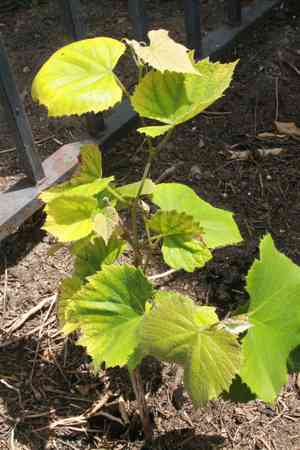
As spring emerges, the ideal period for relocating California wild grape allows its root system to settle prior to the summer season. Select a location bathed in sunlight with soil that drains effectively. Careful manipulation of the roots fosters vigorous development. Seek out bright, adequately drained areas for strong growth.
Essential Preparations Before Relocating California Wild Grape
Optimal Timing for Relocating California Wild Grape?
Early spring, as nature awakens, presents the best opportunity for transplanting california wild grape. During this period, mild weather conditions facilitate root development without the stress of extreme temperatures. Moving california wild grape now allows a full growing season for a robust root system to form before winter, ensuring a healthy, flourishing vine. Initiating the relocation process at this point leverages the natural growth cycle of perennials, giving california wild grape the greatest chance to thrive in its new spot.
Recommended Spacing Between California Wild Grape Plants?
Begin by excavating holes for your california wild grape plants, positioning them approximately 3-5 feet (0.9-1.5 meters) apart. This provides each plant ample room to expand and spread without crowding adjacent specimens.
Ideal Soil Blend for California Wild Grape Relocation?
Next, prepare the ground. California wild grape thrives in well-drained soil, so combine some organic compost with a sandy loam mixture. Apply a layer of slow-release base fertilizer to supply your plants with the necessary nutrients for vigorous and healthy growth.
Choosing the New Location for Your California Wild Grape?
Finally, consider the planting site. California wild grape requires full sun to partial shade, making a location with morning sun and afternoon shade ideal. A spot receiving at least 6 hours of direct sunlight would be excellent!
Tools Required Before Transplanting California Wild Grape
Gardening Gloves
To safeguard your hands while handling soil and plants.
Shovel or Spade
Crucial for excavation, especially when moving california wild grape from the ground.
Garden Trowel
Useful for digging smaller holes, particularly if relocating california wild grape from a pot or seedling tray.
Gardening Fork
Helpful for loosening the earth and aerating the soil around the california wild grape plant.
Pruning Shears
To trim any damaged or diseased roots prior to transplanting.
Watering Can or Hose
To hydrate the california wild grape plant both before and after relocation.
Method for Extracting California Wild Grape from the Soil?
Method for Extracting California Wild Grape from the Soil?
From Ground: First, thoroughly water the california wild grape plant to moisten the soil, facilitating digging and reducing root stress. Next, carefully dig a wide trench around the california wild grape using a shovel or spade, ensuring the plant's root ball remains intact. Once the trench is sufficiently deep, gently lift the plant from its original spot.From Pot: Start by watering the california wild grape well to ensure the root ball stays together. Then, carefully use a garden trowel to loosen the soil around the pot's edges. Tip the pot sideways, support the main stem with one hand, and gently pull the root ball free with your other hand.From Seedling Tray: Begin by watering the seedlings. Gently ease out each california wild grape seedling by pushing it up from the bottom of the cell. Aim to keep as much soil around the roots as possible to minimize root disturbance.
Step-by-Step Guide for Relocating California Wild Grape
Preparation
Start by preparing the new location for your california wild grape. The hole should be large enough to comfortably accommodate the root ball, and the soil should be loose and well-drained.
Root Pruning
Before planting, use pruning shears to remove any damaged or diseased roots. This will encourage the development of new, healthy roots.
Planting
Now, place the california wild grape in the hole. The plant's root ball should be level with or slightly below the soil surface. Fill the remainder of the hole with soil, gently pressing down to eliminate any air pockets.
Watering
After planting, thoroughly water the california wild grape. This will help settle the soil and give your plant a good start in its new location.
Post-Transplant Care for California Wild Grape
Watering
Initially, water the california wild grape plant regularly until it establishes itself in its new location. The soil should be kept moist, but not waterlogged.
Trimming
Prune the california wild grape vines back after transplanting, leaving only a few buds. This will promote vigorous new growth and help the plant establish more quickly.
Monitoring
Keep a close watch on your california wild grape plant for any signs of transplant shock, such as drooping or yellowing leaves. Reduce sunlight exposure and increase watering if you observe these symptoms, and the plant should soon recover.
Addressing Common Issues with California Wild Grape Transplantation.
When is the best time to move california wild grape?
The optimal period to transplant california wild grape is during season S1, when the plant is dormant and less prone to shock.
What spacing should I use for california wild grape saplings?
You should plant california wild grape saplings 3-5 feet (0.91-1.52 meters) apart. This will provide ample room for each plant to thrive.
What depth should the hole be when transplanting california wild grape?
Excavate a hole that is at least twice the width and the same depth as the root ball of california wild grape to ensure a strong root system.
How should I water california wild grape after relocation?
Water california wild grape generously immediately after transplantation to minimize shock. Subsequently, maintain consistent but moderate watering.
What type of soil is suitable for transplanting california wild grape?
California wild grape prefers well-draining soil, ideally sandy or loamy. It can tolerate various pH levels from acidic to slightly alkaline.
Can I use fertilizer when transplanting california wild grape?
Yes, a slow-release, balanced fertilizer can be applied at the time of transplant. However, avoid using high nitrogen fertilizers.
Why are the leaves of my transplanted california wild grape turning yellow?
Yellow leaves could indicate overwatering or poor drainage. Ensure the california wild grape is in well-draining soil and is not being overwatered.
My transplanted california wild grape isn't growing, what went wrong?
If your california wild grape isn't growing, it might be due to incorrect planting depth, insufficient watering, or a lack of nutrients. Recheck your transplanting procedure.
Should I prune california wild grape after transplantation?
Yes, it's advisable to prune california wild grape back by one-third after transplanting. This will reduce stress on the plant and encourage robust growth.
What should I do if I find pests or diseases on my newly transplanted california wild grape?
If you detect pests or diseases, treat them promptly with an appropriate organic or chemical insecticide/fungicide to prevent further spread and damage.



