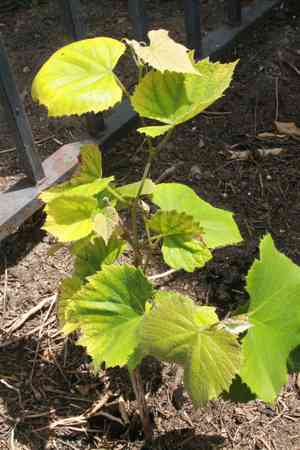
California wild grape(Vitis californica)

California wild grape (Vitis californica)

Also known as: Northern california grape, Western wild grape

The California wild grape (Vitis californica) is an adaptable and robust plant ideal for various garden applications. Here are its notable features:

1. **Rapid Growth**: This plant is known for its quick expansion, making it perfect for covering structures like trellises, arbors, and fences.
2. **Length**: It can extend up to 30 feet (approximately 9 meters), providing substantial coverage.
3. **Seasonal Foliage**: As a deciduous vine, it showcases lush green leaves that transform into striking reds and yellows in the fall before shedding.
4. **Edible Grapes**: The small fruit it produces can be eaten, though they are typically sour and more suited for attracting wildlife.
5. **Resilient**: Once established, it is drought-resistant, making it a good choice for low-water landscaping.

In a garden setting, the California wild grape serves multiple purposes:

1. **Natural Screening**: Ideal for creating privacy barriers or covering unsightly areas.
2. **Erosion Control**: Its extensive root system is beneficial for stabilizing soil on slopes and hillsides.
3. **Wildlife Attraction**: Provides food and habitat for birds, butterflies, and other pollinators.
4. **Aesthetic Value**: Adds visual interest with its seasonal color changes and grape clusters.

While it enhances garden beauty and functionality, it's important to manage its growth to prevent it from becoming invasive.

Attributes of California wild grape

Lifespan
Perennial
Plant Type
Vine
Plant Height
9 m
Spread
3 m
Leaf Color
Green Yellow Orange
Flower Size
Flowers are small and not significant, about 1/8 inch (few millimeters)
Flower Color
Green Yellow

ForwardPlant - Identify plants with a snap

Identify and diagnose plants, get toxicity alerts, and explore safety guides for all types of fungi.

Try for Free

Images of California wild grape

California wild grape(Vitis californica)

Quickly Identify California wild grape

1
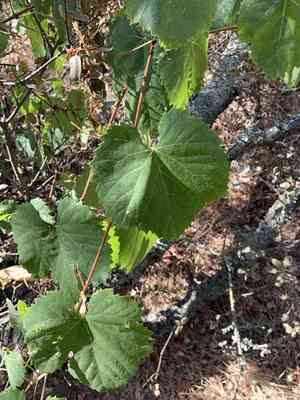
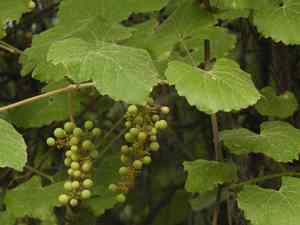
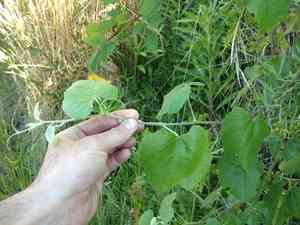
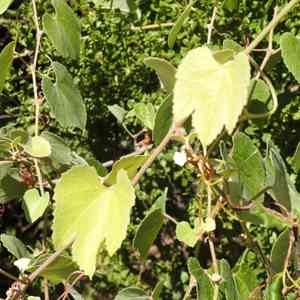
Identify Vitis californica by its sprawling or climbing habit, lobed leaves with serrated edges, and clusters of small, dark purple to black berries. In fall, its foliage turns a striking red or yellow.

Scientific Classification of California wild grape

Phylum
Vascular plants
Class
Dicotyledons
Order
Vitales
Family
Grape
Genus
Grapevines
Species
California wild grape

Planting and Growing of California wild grape

Care Difficulty
Easy
Watering Schedule
Every 2 days
Sunlight Requirements
Full sun
Sunshine Duration
4-6 hours
Ideal Temperature
65-85℉
Soil Type
Potting Mix, Peat Mix
Soil pH
6.5-7.5
Fertilizer Type
Balanced
Pruning Season
Spring, Summer
Pruning Area
Branches, Leaves
Pruning Frequency
2 times a year
Repotting Season
Spring
Pot Type
Plastic, Terracotta

water icon How to Water California wild grape?

For Vitis californica, each watering session should ensure the soil is thoroughly moistened but not waterlogged. The key is to aim for a deep soak, allowing 500 ml of water to penetrate deep into the roots, facilitating root growth and maintaining hydration without causing rot.
What are the symptoms of an underwatered California wild grape? ›
What should I do if my California wild grape is not getting enough water? ›
What are the symptoms of an overwatered California wild grape? ›
How to save an overwatered California wild grape? ›

sunlight icon What Are the Sunlight Requirements for California wild grape?

Sunlight Requirements: Full sun, Partial sun
Duration of light: 5 to 8 hours daily
For Vitis californica, full sun to partial sun is ideal, translating into 5 to 8 hours of daily sunlight. This optimal range helps ensure robust health and prolific grape production without the discomfort of excessive heat or insufficient light.
What amount of sunlight does Vitis californica ideally need? ›
How can I ensure Vitis californica gets this ideal sunlight exposure? ›
What benefits does ideal sunlight exposure provide? ›
More About Sunlight Requirements Techniques→

temperature icon What Is the Ideal Temperature Range for California wild grape?

Ideal Temperature: 65 ~ 85℉
Vitis californica thrives best in moderately warm environments. Maintaining a temperature range between 65°F and 85°F is ideal for its growth. Within this range, the plant can perform photosynthesis efficiently, ensuring healthy leaf development and overall vigor.

soil icon What Soil is Best for California wild grape?

Soil type: Loam, Sandy loam
Soil PH: 6.5 ~ 7.5
Vitis californica thrives in soil with good drainage, such as loam or sandy loam, ensuring water doesn't pool around its roots. Proper drainage aids in preventing root rot and ensures the plant's vigorous growth. Rich, fertile soil is vital for Vitis californica as it encourages robust vine growth and enhances fruit production. Organic matter, such as compost, can be added to enrich the soil and supply essential nutrients. This plant prefers a slightly acidic to neutral pH range of 6.5 to 7.5. Maintaining this pH range helps in nutrient uptake, ensuring the plant remains healthy and productive.

fertilize icon How to Fertilize California wild grape?

Fertilizer type: Balanced
For Vitis californica, the ideal fertilizer amount depends on soil quality and plant health. Generally, use a balanced 10-10-10 NPK fertilizer, applying around 1 pound per 100 square feet. Ensuring a consistent nutrient supply without over-fertilizing is critical for vibrant foliage and grape production.

prune icon How to Prune California wild grape?

Pruning Time: Spring, Summer, Autumn, Winter
First, identify any dead, damaged, or diseased wood and remove these sections with clean cuts. Next, thin out any tangled or crossing branches, which can hinder air circulation and sunlight exposure. Always cut back to a healthy bud, angling the cut away from it to prevent water from collecting on the wound. Remember to clean your pruning tools before and after use to avoid spreading disease. Vitis californica can be trained on a trellis or support structure. To shape the vine, select a few strong canes to form the main framework and prune away excess growth. Tie these canes securely to the support without damaging the stems. This method promotes a more organized growth habit and can enhance aesthetic appeal. During the growing season, pinch back vigorous shoots to encourage lateral growth and maintain shape.

propagate icon How to Propagate California wild grape plant?

Propagate Time: Early spring,Late spring,Early summer
1
Collect seeds from fully mature grapes and sow them in a well-draining soil mix. Maintain moderate moisture and expose them to indirect sunlight to promote germination over several weeks.
2
Select healthy shoots about 10-15 cm in length. Cut just below a node and remove the lower leaves. Dip in rooting hormone and plant in moist, well-draining potting mix.
3
Choose a healthy branch, bend it to the ground and partially bury it. Secure it with a metal pin, keeping a portion of the branch above ground level to encourage root formation.
More About Propagating Techniques→

repot icon How to Repot California wild grape plant?

Repotting frequency: Every 2-3 years
1
Vitis californica shows signs like roots growing through drainage holes, stunted growth, or soil losing nutrients as indicators for repotting. Usually, repotting during Spring or Autumn can help in reducing transplant shock and promoting healthy growth.
2
Select a pot slightly larger than the current one, with good drainage. A pot that's about 1-2 inches larger in diameter provides enough space for root growth, preventing waterlogging and root rot.
3
Opt for a well-draining loamy soil mix that's slightly acidic. This type of soil retains enough moisture while allowing excess water to drain, providing essential nutrients for healthy grapevine development.

ForwardPlant - Identify plants with a snap

Find the best spots for them to optimize their health, simply using your phone.

Try for Free

Toxicity of California wild grape

Is California wild grape toxic to cat?

California wild grape exhibits a moderate toxicity level for cats. If cats consume any portions of this plant, particularly the berries, they may become poisoned. Ingestion of these components can lead to signs of physical distress or illness, requiring immediate veterinary care. Cats might unintentionally ingest the plant while playing or exploring their environment. The appearance of symptoms can differ, making it essential to obtain swift treatment at a veterinary clinic to safeguard the cat's health and well-being.

Is California wild grape toxic to dog?

The botanical species known as california wild grape presents a moderate toxicity threat to dogs. Canines can suffer from poisoning if they ingest any parts of this plant, particularly the fruits. Consumption of these fruits may lead to a range of symptoms that suggest poisoning. Pet owners should be alert to indications like vomiting, diarrhea, lethargy, or potentially more serious reactions that could arise if their dog consumes portions of California wild grape. If a dog shows any of these symptoms following potential ingestion, it is crucial to obtain prompt veterinary attention to ensure the best possible outcome for the pet's health.

Identify toxic plants for your safety

Learn which plants are harmful to you and your pets, and make informed choices for a safer home!

Try for Free
WARNING
The judgment on toxicity and danger is for reference only. We DO NOT GUARANTEE any accuracy of such judgment. Therefore, you SHALL NOT rely on such judgment. It is IMPORTANT TO SEEK PROFESSIONAL ADVICE in advance when necessary.
More About Toxic Techniques→