Enhancing Your Garden Design with the California wild grape Plant: A Landscaping Guide
1
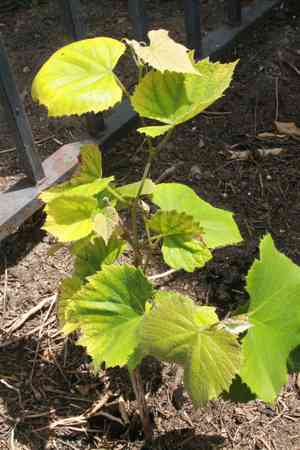
California wild grape provides striking aesthetics and vibrant seasonal hue shifts.
2
It adapts well to formal, cottage, and contemporary garden designs.
3
California wild grape is eco-friendly, requires minimal upkeep, and conserves water.
Exploring the Visual Charm of California wild grape
Visual Impact: Boosting Your Garden's Beauty
California wild grape brings a distinct visual appeal to any garden with its abundant foliage. Its broad, lobed leaves form a natural canopy, perfect for creating shaded areas. The vivid green hues of spring and summer transform into striking yellows and reds in autumn, offering a dynamic visual spectacle. Whether trailing over a trellis or cascading down a fence, California wild grape captures attention and becomes a focal point in your garden.
Seasonal Transformations: Dynamic Color Shifts
A captivating aspect of California wild grape is its capacity to display diverse colors throughout the year. In spring, anticipate fresh, vibrant greens signaling new development. As temperatures rise and summer arrives, the foliage thickens, providing a cooler, more inviting space. Fall brings a dramatic change, with leaves shifting from green to shades of gold, red, and occasionally purple. This seasonal transformation ensures your garden remains ever-changing and engaging year-round.
Natural Structures: Vines and Forms in Landscape Design
California wild grape is a robust climber, making it incredibly adaptable in landscape design. Its woody vines can be guided to grow over pergolas, arbors, or even unattractive walls, effectively turning these structures into living art. Its ability to create natural canopies and archways adds an inviting, whimsical touch to garden paths and seating areas. Furthermore, the vines can establish natural boundaries that define garden zones without needing artificial barriers.
Incorporating California wild grape into Various Landscape Styles
Formal Landscapes: Balance and Structure with California wild grape
Formal gardens often prioritize symmetry and meticulously maintained foliage, and California wild grape integrates seamlessly. By training the vines to grow in balanced patterns over arches or along fences, you can maintain the neat, ordered appearance characteristic of formal gardens. Additionally, California wild grape's structured growth can be manipulated to frame entryways or windows, adding an element of grace and equilibrium to your landscape design.
Cottage Gardens: California wild grape for a Hint of Whimsy
In a cottage garden, the goal is to create a charming, somewhat wild look that feels cozy and welcoming. California wild grape contributes to this aesthetic with its free-flowing growth habit. Allow the vines to wander freely over trellises, fences, and other garden features to impart a storybook quality to your garden. The lush foliage intermingled with other flowering plants will create a vibrant tapestry of color and texture that feels both nostalgic and enchanting.
Modern Designs: California wild grape in Minimalist Landscaping
Modern landscape designs frequently favor clean lines and minimalist plant selections. Despite its vigorous growth, California wild grape can be adapted to suit these spaces beautifully. Utilize California wild grape to introduce a burst of natural greenery against minimalist, hardscaped elements like concrete walls or metal trellises. The plant's neat leaves and structured vines can serve as a natural counterpoint to modern materials, softening the overall look without losing the essence of minimalist aesthetics.
Advantages of Including California wild grape in Your Landscape
Environmental Benefits: How California wild grape Supports Local Biodiversity
California wild grape is more than just a visual asset; it also plays a vital role in supporting local biodiversity. The plant provides shelter and sustenance for various beneficial insects, birds, and small mammals. Its flowers attract pollinators such as bees and butterflies, crucial for maintaining a healthy garden ecosystem. By incorporating California wild grape into your landscape, you contribute to the environment by offering a habitat for local wildlife.
Low Maintenance Needs: Ease of Care
California wild grape is a robust plant known for its minimal care requirements. It thrives in diverse soil types and is drought-tolerant once established, making it a low-maintenance choice for busy gardeners. Occasional pruning is all that's needed to keep the vines healthy and managed. This ease of care makes California wild grape an appealing option for both new and experienced gardeners alike.
Sustainability: Using California wild grape to Conserve Water
In an era where water conservation is increasingly important, California wild grape stands out as a sustainable option. The plant's deep root system allows it to access water efficiently, reducing the need for frequent irrigation. Once established, California wild grape can thrive on natural rainfall, making it an excellent choice for water-wise gardening. This sustainability aspect not only saves water but also lessens overall maintenance effort, making your garden more eco-friendly.
Practical Advice for Planting and Growing California wild grape
Choosing the Right Location: Sunlight and Soil Considerations
Selecting the optimal spot for planting California wild grape is essential for its success. The plant flourishes in full sun but can endure partial shade. Ensure the chosen location has well-draining soil to prevent root rot. Soil enriched with organic matter will promote vigorous growth. A sunny, well-drained site will encourage strong vine development and abundant foliage.
Planting Techniques: Best Practices for Healthy Growth
When planting California wild grape, dig a hole twice as wide and as deep as the root ball. Position the plant in the hole, ensuring the top of the root ball is level with the surrounding soil. Fill the hole with a mix of soil and compost, gently tamping down to remove air pockets. Water thoroughly after planting to aid root establishment. This initial care lays the groundwork for robust growth.
Ongoing Care: Watering and Pruning Tips
California wild grape requires minimal ongoing care. Water the plant deeply during dry periods, but allow the soil to dry out between waterings to prevent waterlogging. Pruning is crucial to manage its vigorous growth; trim back the vines in late winter or early spring before new growth begins, and remove any dead or diseased parts. Regular pruning also encourages healthier foliage and an attractive shape. With these simple care routines, California wild grape will thrive and enhance your landscape for years to come.



