How Much Sunlight Do California wild grape Need?
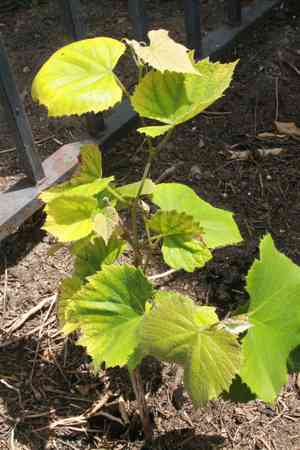
1
California wild grape flourishes with a minimum of 6 hours of direct sunlight each day.
2
While this plant can endure some shade, it favors abundant sunshine.
3
Observing sun exposure is vital for its best development and fruit yield.
Optimal Light Conditions for California wild grape
Full Sun Requirements
California wild grape thrives with abundant sunlight. Ideally, your vine should receive over six hours of direct sun daily. Placing your plant in a full sun area ensures robust growth and maximizes fruit yield. This is especially crucial during the active growth phase when the plant needs energy for grape development.
Partial Shade Adaptability
While California wild grape prefers full sun, it can also endure partial shade. This flexibility means your vine can still flourish even in gardens with some shaded areas. However, be aware that less sunlight might lead to fewer grapes and slower development. Therefore, if feasible, aim for the sunniest location possible.
Seasonal Light Changes
Sunlight availability varies with the seasons, affecting your California wild grape. In spring and summer, longer days provide ample sunlight, perfect for grape maturation. During autumn and winter, shorter days mean less light, but don't fretâthe vine enters dormancy and requires less sun during these months. Aligning your planting and care schedule with these seasonal shifts can help ensure your plant thrives year-round.
Ensuring Adequate Sunlight for California wild grape
Optimal Planting Sites
To guarantee your California wild grape gets the necessary sunlight, choosing the correct planting spot is vital. Select a location that receives uninterrupted sunlight for most of the day. A south-facing position is generally best as it captures the most light. Avoid areas with large trees or structures that might cast shadows on your plant, particularly during peak sunlight hours.
Utilizing Shade Solutions
In certain situations, employing shade structures can help regulate the amount of sunlight your California wild grape receives. If you reside in a region with extremely hot summers, temporary shade cloths can shield the plant from intense sun and prevent scorching. Conversely, if your garden lacks full sun, you might consider reflective materials to boost light exposure. These clever tactics balance excessive or insufficient sunlight, keeping your grapevine healthy.
Monitoring Light Exposure
Observing how much sunlight your California wild grape receives is crucial for its well-being. Regularly checking the site at various times of day will help you understand light patterns. This observation can guide you in making necessary adjustments, such as pruning nearby plants that block light or repositioning your grapevine for better exposure. A simple light meter can also be an effective tool to accurately measure and manage sunlight exposure.
Impacts of Inadequate Sunlight on California wild grape
Signs of Excessive Sun
Too much sun exposure can cause several issues for California wild grape. Symptoms include leaf burn, where leaf edges turn brown and crisp, and sunburn on grape clusters, which can diminish fruit quality. Additionally, excessive sun can increase water evaporation from the soil, making the plant more prone to drought stress. Watching for these indicators helps in taking timely corrective actions.
Signs of Insufficient Sun
Conversely, inadequate sunlight also presents challenges for California wild grape. Common symptoms include leggy growth, where the vine becomes elongated and weak. You might also observe reduced fruit yield and poor grape quality. Leaves may appear pale, indicating the plant isn't producing enough chlorophyll due to a lack of sunlight. Addressing these symptoms early can help prevent long-term damage.
Remedial Actions
If you determine your California wild grape is suffering from improper sunlight, swift action is essential. For too much sun, consider installing temporary shade structures or moving potted plants to a slightly shadier area. Enhancing soil moisture with mulches can also help alleviate heat stress. For too little sun, try pruning nearby plants or even relocating the grapevine to a sunnier spot. Supplementing sunlight using garden mirrors or reflective surfaces can also improve light exposure.



