How to Propagate California wild grape?
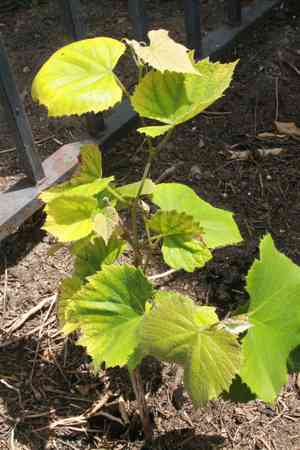
California wild grape can be reproduced using tender stem sections or by layering techniques throughout the spring and summer periods. The challenge level for propagation is average, and indicators of successful growth include the emergence of fresh shoots or root structures. Maintaining consistently damp soil and ensuring sufficient exposure to sunlight are crucial.
Optimal Period for Propagating California Wild Grape?
Propagation Method
Cutting
Propagation Period
Spring,Summer
Tools Utilized in California Wild Grape Propagation?
Pruning Shears
Pruning shears are essential for achieving a clean and precise cut when taking cuttings from the parent california wild grape vine. The correct shears will minimize harm to the parent plant and produce a healthy cutting, fostering improved rooting and growth. Sharpened, sanitized blades help prevent disease transmission between plants.
Rooting Hormones
Rooting hormones assist in stimulating root development from california wild grape cuttings. This enhances the likelihood of successful propagation by boosting root growth, leading to a more robust, viable plant. Powders and gels specifically formulated for hardwood cuttings are most appropriate.
Potting Mix
A well-draining, sterile potting mix offers an ideal environment for california wild grape cuttings to establish roots. The mix should retain moisture without becoming saturated, promoting oxygen availability and preventing decay. A mix containing perlite or vermiculite is advantageous.
Propagation Tray
Propagation trays provide a structured area to plant and arrange california wild grape cuttings. The trays should have adequate drainage and be compatible with a heating mat if necessary, as consistent temperature can enhance rooting success rates for california wild grape.
Heating Mat
A heating mat raises the soil temperature, ensuring the california wild grape cuttings' root zone stays warm, which is especially crucial in cooler climates. Maintaining a consistent optimal temperature range can significantly improve root development.
Misting System or Spray Bottle
A misting system or a simple spray bottle maintains appropriate humidity levels around the california wild grape cuttings. Keeping the foliage and the cutting's surface moist prevents dehydration, which is vital for the health and growth of new roots.
Sterilizing Agent
A sterilizing agent, such as alcohol or bleach solution, is used to clean all tools before and after use. This practice is crucial in safeguarding california wild grape against the spread of diseases that can jeopardize propagation efforts.
Labels and Markers
Durable labels and markers are used to track and identify california wild grape cuttings, recording dates and any specific treatments. Accurate records can assist in determining the most effective methods for future propagation attempts.
How to Nurture Your Newly Propagated California Wild Grape?
How to Nurture Your Newly Propagated California Wild Grape?
Once the california wild grape cuttings have developed a robust root system, acclimate the plants by gradually exposing them to outdoor conditions. Afterward, transplant to a larger container or a permanent location in well-drained soil with full sun exposure. Water regularly to maintain consistently moist soil but not waterlogged. Provide a sturdy trellis or support structure for climbing, and prune as needed to manage growth and improve air circulation.
Common Errors to Avoid When Propagating California Wild Grape
Overwatering cuttings
Excessive moisture can lead to rotting of california wild grape cuttings before they have a chance to root, resulting in propagation failure.
Planting cuttings too deep
Inserting california wild grape cuttings too deeply can restrict oxygen availability, discouraging rooting and potentially causing decay.
Using old wood
Old or woody stems of california wild grape tend not to root as readily as younger, more flexible stems, reducing propagation success rates.
Ignoring soil quality
Poor soil quality may not provide the necessary nutrients for california wild grape's cuttings to establish and grow, impeding their development.
Neglecting cleanliness
Using dirty tools or containers when propagating california wild grape can introduce pathogens that may cause diseases in the cuttings.
Advice For Propagating California Wild Grape
Choose healthy stems
Selecting vigorous and healthy young stems increases the chances of successful rooting for california wild grape cuttings.
Maintain humidity
Keeping the environment humid without overwatering ensures that california wild grape cuttings stay moist, which is crucial during the rooting process.
Use rooting hormone
Applying rooting hormone to the cut end of california wild grape cuttings can stimulate root growth and improve the chances of propagation success.
Provide indirect light
Placing california wild grape in indirect sunlight helps prevent the cuttings from drying out or getting scorched, which can be detrimental to root formation.
Ensure drainage
Using well-draining soil helps prevent waterlogging, which is essential for the health of the california wild grape cuttings during the rooting process.



