How to Transplant Toothpickweed?
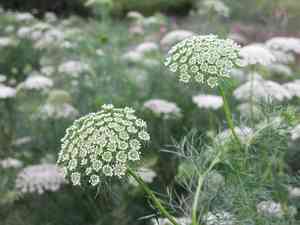
For toothpickweed, the ideal period for transplanting is mid-spring, when consistent temperatures and humidity create perfect conditions for development. Select a brightly lit location with effective drainage and handle with care during the transfer to lessen root disturbance.
Necessary Preparations Before Relocating Toothpickweed?
Optimal Period for Moving Toothpickweed?
The best time for transplanting toothpickweed is from mid to late spring, ensuring it benefits from ideal growth conditions and stable temperatures. Moving toothpickweed during this window allows for strong root development before summer heat, improving survival and growth. Following this schedule for toothpickweed promotes a smooth transition outdoors and sets the stage for a flourishing season.
Required Spacing Between Toothpickweed Plants?
When planting toothpickweed, ensure adequate space for each specimen. Ideally, they should be positioned approximately 1-2 feet (30-60 cm) apart. This prevents overcrowding and guarantees each plant receives sufficient nutrients and water.
Best Soil Blend for Toothpickweed Relocation?
Toothpickweed thrives in well-drained soil, rich in organic matter. For an excellent start, amend the ground with a foundational fertilizer, such as compost or aged manure. This will supply vital nutrients for your plants and aid their post-transplant recovery.
Where to Replant Your Toothpickweed?
Choose a spot with full sun exposure for your toothpickweed plants. They flourish best in sunny locations. However, they can also endure partial shade. Ensure the area isn't excessively windy and provide protection from harsh weather when necessary.
Equipment Needed Before Transplanting Toothpickweed?
Gardening Gloves
To safeguard your hands while handling the plant and working with the soil.
Shovel or Trowel
These tools will be useful for both excavating your toothpickweed plant from its original spot and planting it in its new location.
Gardening Fork
This implement can be used to gently loosen the soil around the plant's roots in its initial position, minimizing root damage.
Watering Can or Hose
For hydrating the toothpickweed plant before and after its relocation.
Wheelbarrow or Garden Cart
To transport the toothpickweed plant from its initial spot to the new site without straining your back.
Organic Mulch
Beneficial for preventing moisture loss and maintaining cool roots for the toothpickweed plant after transplanting.
How to Extract Toothpickweed from the Ground?
How to Extract Toothpickweed from the Ground?
From Ground: Begin by thoroughly watering the toothpickweed plant; this will facilitate easier and less stressful extraction. Using a gardening fork, start loosening the soil around the plant's root ball. Once loosened, use a trowel or shovel to dig beneath the root ball. Gently lift the plant, preserving as much of the root system as possible.From Pot: To remove the toothpickweed plant from a container, start by watering it completely. Turn the pot on its side, and gently tap it to dislodge the plant and soil. Pull on the base of the plant while continuing to tap. The plant should slide out with its root ball and soil intact.From Seedling Tray: If the toothpickweed plant is in a seedling tray, water it well before gently pushing up from the bottom of the cell to release the plant. Ensure the root ball and attached soil remain intact.
Step-by-Step Guide for Relocating Toothpickweed
Preparation
Before moving toothpickweed, ensure the planting hole is dug. The hole should be twice the width and the same depth as the plant's root ball.
Placement
Carefully position the toothpickweed plant in the hole. The top of the root ball should be level with the surrounding ground.
Backfill
Gently refill the hole with soil, compacting it as you go to eliminate any air pockets.
Watering
Once the toothpickweed plant is firmly in the ground, water it thoroughly. This helps settle the soil around the root ball.
Mulching
After watering, apply a layer of organic mulch around the base of the toothpickweed plant. This will help retain moisture and inhibit weed growth.
Post-Transplant Care for Toothpickweed?
Routine Care
For several weeks after transplanting, you'll need to give your toothpickweed extra attention to ensure it establishes properly. Regularly check for signs of water stress, and keep the surrounding soil moist but not saturated.
Growth Monitoring
Observe your toothpickweed plant's development. If you notice any yellowing, wilting, or stunted growth, it could indicate the plant is struggling to adapt to the transplant. Consult a local nursery or gardening guide for advice.
Protection
Shield the toothpickweed plant from harsh weather conditions and pests to aid its establishment. Some plants may benefit from a protective cover or cages, while others might require specific pest deterrents.
Troubleshooting Common Toothpickweed Transplant Issues.
What's the best season to transplant toothpickweed?
The optimal transplanting period for toothpickweed is during the second and third seasonal phases of the year.
What spacing should I maintain between my toothpickweed when transplanting?
Allow a generous gap of 1-2 feet (30-60 cm) between each toothpickweed plant during relocation.
The leaves on my transplanted toothpickweed are wilting. What am I doing wrong?
Wilting often indicates over or under-watering. Adjust your watering and ensure the soil drains well, which toothpickweed prefers.
My transplanted toothpickweed isn't thriving. How can I fix it?
Toothpickweed requires well-draining soil, ample sunlight, and a consistent watering schedule for successful growth. Re-evaluate these factors.
Do I need to fertilize my transplanted toothpickweed?
Yes, fertilizing toothpickweed can help boost its growth, especially if the soil lacks nutrients. Do this every 2-3 months after transplanting.
I transplanted toothpickweed and its leaves are yellow. What could be the reason?
Yellow leaves might suggest a nutrient deficiency or excessive watering. Check soil conditions, watering routine, and consider adding a balanced fertilizer.
What type of soil should I use when transplanting toothpickweed?
Toothpickweed prefers well-draining, loamy soil. Prepare your planting area with this type of soil before transplanting.
Should I use a root stimulator when transplanting toothpickweed?
Using a root stimulator can help establish toothpickweed quickly. However, remember it's not a substitute for good growing conditions.
How much sunlight does a transplanted toothpickweed need?
Toothpickweed loves sunlight. Ensure it receives at least 6-8 hours of full sun daily for vigorous growth.
What should I do if the transplanted toothpickweed is not flowering?
Ensure toothpickweed is receiving sufficient sunlight, water, and nutrients. A lack of any can hinder flowering. Patience may be necessary after transplanting.



