Enhancing Your Garden Design with the Toothpickweed Plant: A Landscaping Guide
1
Toothpickweed presents distinctive aesthetic qualities that impart individuality to any garden layout.
2
Integrating Toothpickweed into your outdoor space can introduce both form and playfulness, based on your preference.
3
Appropriate maintenance and strategic plant pairing are vital to preserve Toothpickweed's allure in your yard.
Exploring the Charm of Toothpickweed in Garden Design
Visual characteristics: What makes Toothpickweed distinctive?
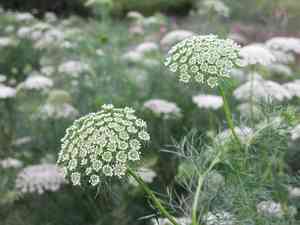
To elevate your landscape design, Toothpickweed offers compelling attributes. Its unique look adds a special quality to your garden. The delicate, lace-like structure of its blossoms and their intricate patterns provide striking visual appeal. This, combined with its vibrant green leaves, makes it an engaging choice that captures attention. Moreover, the plant's unusual form introduces texture and height, making it perfect for creating captivating focal points or diversifying a garden's visual composition.
Seasonal advantages: Optimal times of year for Toothpickweed display
A notable quality of Toothpickweed is its capacity to enhance your garden across various seasons. Typically, Toothpickweed flowers abundantly during summer, casting a lively charm in any landscape with its blooms. However, its foliage retains its allure well into autumn, providing rich green tones even as other plants begin to fade. This positions Toothpickweed not merely as a seasonal highlight but as a lasting contributor to your garden.
Integrating Toothpickweed into Diverse Garden Styles
Formal gardens: Symmetry and structure with Toothpickweed
Formal gardens thrive on balance and organized layouts, and Toothpickweed fits perfectly within this framework. Its upright growth and uniform appearance make it ideal for establishing structured borders and defined pathways. Line your garden paths with Toothpickweed to impart a touch of sophistication and cohesion. This plant's disciplined form complements the neatly manicured, orderly aesthetics of formal garden designs, offering a blend of structure and beauty.
Cottage gardens: Adding a whimsical touch with Toothpickweed
If a relaxed, informal garden style is your preference, Toothpickweed can still play a significant role. In cottage gardens, where charm lies in a mix of colors and forms, Toothpickweed introduces a whimsical element. Imagine its airy, delicate flowers intermingling with a variety of colorful blooms. This plant's texture complements perennials and annuals, and its adaptability to varied conditions makes it versatile. Its wild yet graceful form contributes to the relaxed, romantic atmosphere of a cottage garden.
Modern landscapes: How Toothpickweed integrates into contemporary designs
For those drawn to contemporary garden designs, Toothpickweed provides a fresh and modern component. Modern landscapes often feature minimalist aesthetics and clean lines, and Toothpickweed can offer the perfect natural contrast. Its intricate blooms and relaxed greenery soften the stark lines and geometric shapes commonly found in modern garden layouts. Planted in clusters or alongside sculptures and architectural elements, Toothpickweed brings a dynamic quality to the streamlined essence of modern landscaping.
Companion Planting for Toothpickweed
Supportive plant partnerships: Best companions for Toothpickweed
Companion planting is a crucial aspect of successful gardening, and Toothpickweed is no exception. Pairing it with plants that possess complementary characteristics can amplify its beauty. Consider planting Toothpickweed alongside other drought-tolerant species like lavender or yarrow. These combinations not only create visual harmony but also ensure that your plants share similar care requirements, simplifying garden management. Additionally, these companions can attract beneficial insects, fostering overall garden health.
Avoiding negative interactions: What not to plant with Toothpickweed
While selecting companions for Toothpickweed, it's equally important to identify plants to avoid. Certain species might compete for the same resources, leading to stunted growth for both. Refrain from planting Toothpickweed near water-loving plants such as ferns or moisture-sensitive perennials. The conflicting demands for water and nutrients could stress Toothpickweed and hinder its ability to flourish. Being mindful of these interactions ensures that all your plants coexist harmoniously.
Maintaining Toothpickweed in Your Landscape
Basic needs: Sunlight and watering guidelines
Caring for Toothpickweed is relatively straightforward if you adhere to its fundamental requirements. This plant thrives in full sun, so ensure it receives ample sunlight daily for optimal development. Watering should be moderate; excessive watering can cause root rot, while insufficient watering can stress the plant. Therefore, a balanced approach, allowing the soil to dry out between watering sessions, is most effective. Additionally, applying mulch around the base can help retain moisture and regulate soil temperature.
Seasonal care: Preparing Toothpickweed for changing seasons
Seasonal care for Toothpickweed involves some preparation to ensure its year-round vigor. In spring and summer, consistent watering and occasional feeding with a balanced fertilizer will support its active growth and blooming phases. As autumn approaches, reduce watering frequency to prevent waterlogging during cooler temperatures. Pruning dead or damaged foliage and adding a layer of mulch can prepare Toothpickweed for winter, safeguarding its roots from frost and extreme cold.
Creative Uses of Toothpickweed in Landscape Features
Focal points: Using Toothpickweed to draw attention in the garden
Toothpickweed can serve as an excellent focal point within your garden, attracting the eye and creating a centerpiece around which other elements can be arranged. Its distinctive flower structure and impressive height make it stand out in any landscape setting. Position Toothpickweed in a central location or use it to highlight curved pathways and entry points, thereby guiding visitors' views and enhancing the overall aesthetic appeal of your garden.
Borders and edges: Defining spaces with Toothpickweed
Utilizing Toothpickweed as a border or edge in your landscaping can effectively delineate spaces and establish natural boundaries. Its consistent growth habit makes it suitable for lining garden beds, walkways, and perimeters. This not only adds an element of order and neatness to your garden but also provides a lush, green backdrop that can beautifully showcase other plantings. Incorporating Toothpickweed in this manner can bring both functional and aesthetic benefits to your landscape design.



