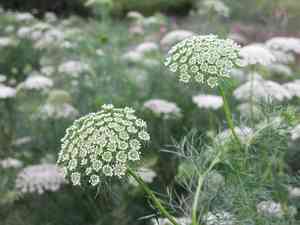
Toothpickweed (Visnaga daucoides)
Also known as: Toothpick-plant, Bisnaga, Toothpick bishops weed, Green mist ammi
Toothpickweed (*Visnaga daucoides*) is an annual herb that blooms in summer and fall, producing clusters of small white flowers. It favors full sunlight but can also grow in partial shade. The plant thrives in well-drained, fertile soil and benefits from regular watering, especially in dry periods. Be cautious, as contact with the plant's sap may cause skin irritation or allergic reactions in some individuals. This plant is also known for attracting butterflies, bees, and other pollinators.
In This Article
Attributes of Toothpickweed
Lifespan
Annual, Biennial, Perennial
Plant Type
Herb
Plant Height
80 cm
Spread
60 cm
Leaf Color
Green
Flower Size
3-4 cm
Flower Color
White
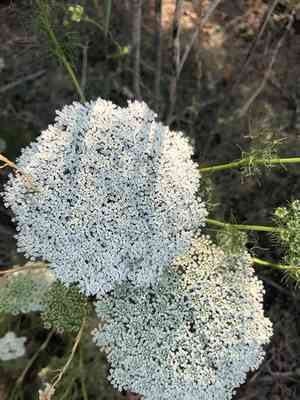
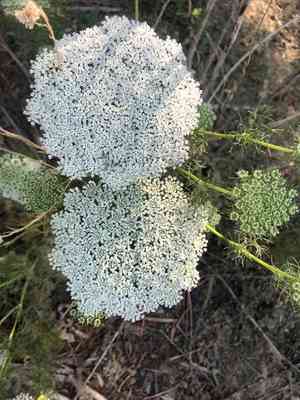
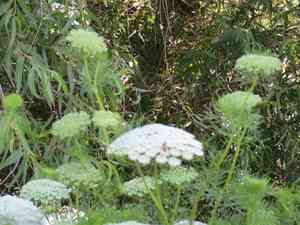
Images of Toothpickweed
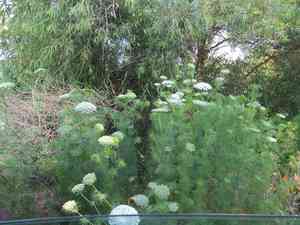
Quickly Identify Toothpickweed
1
This plant can be identified by its finely divided, feathery leaves, and its small, white, umbrella-shaped flower clusters. The fruits are small and ribbed.
Scientific Classification of Toothpickweed
Phylum
Vascular plants
Class
Dicotyledons
Order
Apiales
Family
Umbellifers
Genus
Visnaga
Species
Toothpickweed
Planting and Growing of Toothpickweed
Care Difficulty
Easy
Watering Schedule
Every 3 days
Sunlight Requirements
Full sun
Sunshine Duration
4-8 hours
Ideal Temperature
68-77℉
Soil Type
Potting Mix, Peat Mix
Soil pH
6.5-7.5
Fertilizer Type
Balanced
Pruning Season
Spring, Summer
Pruning Area
Branches, Leaves
Pruning Frequency
2 times a year
Repotting Season
Spring
Pot Type
Terracotta, Plastic
 How to Water Toothpickweed?
Visnaga daucoides prefers its soil to be kept slightly moist but never waterlogged. Water thoroughly until the water begins to drain out of the bottom of the pot, ensuring that the soil is evenly moistened without oversaturating it.
What are the symptoms of an underwatered Toothpickweed?
›
What should I do if my Toothpickweed is not getting enough water?
›
What are the symptoms of an overwatered Toothpickweed?
›
How to save an overwatered Toothpickweed?
›
 What Are the Sunlight Requirements for Toothpickweed?
Visnaga daucoides thrives in full sun, which offers the energy essential for strong growth and vibrant blooming. Consistent sunlight optimizes its health and appearance.
More About Sunlight Requirements Techniques→
What is the best lighting for Visnaga daucoides?
›
How can I ensure optimal lighting for my plant?
›
What benefits does ideal lighting bring to Visnaga daucoides?
›
 What Is the Ideal Temperature Range for Toothpickweed?
Visnaga daucoides thrives best in temperatures ranging between 68°F and 77°F. This range facilitates optimal metabolic processes and photosynthesis, ensuring healthy growth and development. During this range, the plant can efficiently manage its water usage and nutrient absorption, leading to robust and vibrant growth.
 What Soil is Best for Toothpickweed?
Visnaga daucoides thrives in well-drained soils that prevent root rot by allowing excess water to escape. This ensures the plant remains healthy and reduces the risk of disease. This plant benefits from soils enriched with organic matter, which provides essential nutrients for robust growth and vibrant flowering. The soil should retain enough moisture to sustain the plant but not remain soggy, ensuring the roots receive adequate hydration without drowning.
 How to Fertilize Toothpickweed?
For Visnaga daucoides, applying a balanced liquid fertilizer at half strength is recommended. Each application should be approximately 150-200 ml per plant, ensuring the soil is moist prior to application to avoid root burn.
 How to Prune Toothpickweed?
Start by examining the plant for any dead or diseased branches. Removing these ensures the plant's resources are directed towards healthy growth. Trim back any excessively long or leggy stems to encourage a fuller shape. Additionally, thin out congested areas to improve air circulation, which can help prevent disease. After pruning, water the plant thoroughly and consider using a balanced fertilizer to support new growth. This will aid in the recovery and enhance the plant's vigor.
More About Pruning Techniques→
 How to Propagate Toothpickweed plant?
1
Select healthy seeds from a reliable source. Ensure they are of high quality, as this will significantly influence the germination success rate.
2
Place the seeds evenly in the seed tray or pot. Cover them lightly with the sterile potting mix, ensuring they are not buried too deep to facilitate germination.
3
Keep the soil consistently moist using a gentle spray of water. Avoid over-watering as it can lead to fungal infections that may harm the seedlings.
 How to Repot Toothpickweed plant?
1
Visnaga daucoides typically needs repotting when its roots start growing out of the drainage holes or when growth slows noticeably. This usually indicates that the plant has outgrown its pot and exhausts the available nutrients.
2
Select a pot that is only a size larger than the current one. This helps prevent overwatering and provides sufficient space for root expansion. Ensure the pot has adequate drainage holes to promote healthy root conditions.
3
Opt for a well-draining, loamy soil mix that enables both moisture retention and adequate aeration. Such soil prevents water stagnation, reducing root rot risk while supporting robust plant growth.
Toxicity
ingestion
WARNING
The judgment on toxicity and danger is for reference only. We DO NOT GUARANTEE any accuracy of such judgment. Therefore, you SHALL NOT rely on such judgment. It is IMPORTANT TO SEEK PROFESSIONAL ADVICE in advance when necessary.
Learn More About Toothpickweed Diseases
Anthracnose
Bacterial Leaf Spot
Bacterial Soft Rot
Bacterial Wilt
Chemical Injury
Damping-off
Downy Mildew
Drought Stress
Fusarium Wilt
Gray Mold
Leaf Spot
Mosaic
Nutrient Deficiency
Nutrient Toxicity
Powdery Mildew
Root Rot
Root-knot Nematode
Rusts
Sooty Mold
Spider Mites
Temperature Stress
Thrips Damage
White Mold



