How to Prune Toothpickweed?
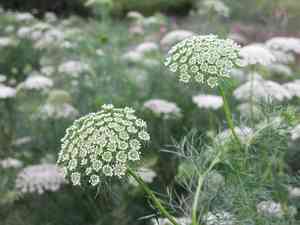
This sturdy herbaceous species, recognized for its expansive flower clusters and rigid, pale bristles, thrives with regular trimming to foster robust development. Essential pruning methods involve removing faded blooms to inhibit self-propagation and shortening leaves to preserve a tidy look. The most suitable periods for pruning are during spring, summer, and autumn, aligning with its active growth cycles. Trimming toothpickweed can improve air movement, discourage unwanted organisms, and encourage strong, shapely specimens. For superior results, employ sanitized, sharp implements for accurate cuts.
What Are the Benefits of Pruning Toothpickweed?
What Are the Benefits of Pruning Toothpickweed?
Trimming toothpickweed ensures robust development by encouraging fresh, healthy growth and helps maintain its form for visual appeal and garden consistency. Managing its size also helps lower its susceptibility to illness.
What Is the Best Time for Pruning Toothpickweed?
What Is the Best Time for Pruning Toothpickweed?
Late spring and early summer are the ideal times for trimming toothpickweed, as this period follows its main flowering. Pruning at these times is advantageous because toothpickweed has typically finished its primary bloom cycle by late spring, minimizing the impact on flowers while still stimulating new growth. This allows gardeners to shape the plant and control its size without sacrificing floral displays. Additionally, early summer pruning gives toothpickweed ample time to recover before the colder autumn and winter months, preventing potential frost damage to fresh cuts. It also avoids the plant's dormant phase, ensuring that trimmed branches will not hinder toothpickweed's health or vitality. It is crucial to avoid fall pruning, as cuts made then could lead to new growth vulnerable to early frost damage.
What Tools Do I Need to Prune Toothpickweed?
Hand Pruners
Perfect for making clean cuts on toothpickweed's slender stems and branches, offering accuracy without harming the plant.
Shears
Excellent for shaping and thinning toothpickweed's foliage, especially during peak growth to preserve its form.
Gloves
Crucial for hand protection when trimming toothpickweed, as some plant parts may be sharp or cause irritation.
How to Prune Toothpickweed
Clean Tools
Sanitize pruning implements before beginning to prevent disease transmission. Use a solution of 1 part bleach to 9 parts water to wipe the blades clean.
Identify
Examine toothpickweed for shriveled leaves. Look for leaves that are brown, dry, and brittle, indicating they are no longer viable and should be removed.
Cut
With clean and sharp pruning shears, cut the withered leaves at their base where they meet the stem. Be careful not to damage healthy leaves or stems during this process.
Dispose
Gather the removed foliage and discard it away from healthy plants to prevent the potential spread of pests or diseases that might be present on the withered leaves.
Clean Up
After pruning, clean the tool blades again using the same bleach solution to ensure no pathogens are transferred to other plants.
Common Pruning Mistakes with Toothpickweed
Over Pruning
Removing too much foliage at once can stress toothpickweed, impairing its ability to photosynthesize and grow correctly.
Incorrect Cutting
Making cuts too close to toothpickweed's main stem can damage its vascular system, while leaving too much of a stub can attract disease and pests.
Not Sanitizing Tools
Failing to sanitize pruning tools before use can spread diseases to toothpickweed, compromising its well-being.
Pruning Without A Plan
Random or unguided cuts can result in a misshapen and weakened toothpickweed, as each cut influences future growth patterns.
Ignoring Dead Or Diseased Limbs
Neglecting to prioritize the removal of dead or diseased growth can leave toothpickweed susceptible to pests and further illness.
Disregarding Plant Health
Attempting to prune a stressed or newly transplanted toothpickweed can worsen its stress, potentially leading to reduced vigor or death.
Common Pruning Tips for Toothpickweed
Assess Before Cutting
Thoroughly examine toothpickweed to identify areas requiring pruning for optimal plant health and aesthetic appeal.
Use Sharp Tools
Sharp, clean pruning tools create precise cuts that heal quickly, reducing the risk of disease for toothpickweed.
Cut At Appropriate Angle
Cut at a 45-degree angle just above a leaf node or branching point on toothpickweed to encourage healthy regrowth.
Focus On Airy Interior
Thin out the center of toothpickweed to allow light and air penetration, which can reduce disease risk and boost flowering.
Maintain Natural Shape
Work with toothpickweed's inherent growth habit to avoid an artificial appearance and promote stronger, more organic growth patterns.
Prune For Optimal Growth
Remove competing or crossing branches of toothpickweed to direct energy into the strongest limbs for better overall vigor.



