How to Propagate Toothpickweed?
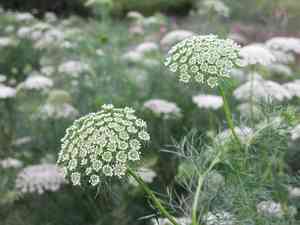
Hailing from the Apiaceae botanical group, Ammi visnaga is a distinctive flora primarily multiplied by planting its seeds. The secret to effective sprouting involves sustaining uniformly damp soil, yet without saturation. Seeding ought to be shallow; the seeds require illumination for germination. Prudent spacing is crucial to allow sufficient area for development, given Ammi visnaga's potential for extensive spreading. Tender handling of fragile young plants is essential during relocation to prevent root disruption, to which Ammi visnaga exhibits particular susceptibility.
When Is the Optimal Time to Propagate Toothpickweed?
Propagation Type
Seed Propagation
Propagation Season
Spring
What Equipment Is Used for Toothpickweed Propagation?
Seed trays
Seed trays are vital for initiating toothpickweed from seeds, offering a controlled setting for germination. Their shallow compartments facilitate easy planting and efficient use of space. This is particularly advantageous for toothpickweed, ensuring minimal disruption to young seedlings during the crucial germination phase.
Potting mix
A premium potting mix fosters robust root growth and supplies essential nutrients. For toothpickweed, a well-draining and nutrient-rich potting mix is critical, as it prevents water retention and encourages vigorous development. Choosing the correct mix can significantly impact germination rates and the overall health of toothpickweed.
Watering can with a fine rose
This implement enables gentle irrigation of toothpickweed seedlings, reducing the risk of soil erosion or seed displacement caused by strong water flow. The fine rose attachment disperses water uniformly, ensuring all seeds receive adequate moisture without becoming waterlogged.
Grow lights or a greenhouse
Grow lights or a greenhouse provide necessary illumination and warmth, which are crucial for toothpickweed germination. These tools help maintain a stable environment, protecting young plants from external weather changes and boosting germination and initial growth rates.
Labels and markers
Utilizing labels and markers assists in tracking toothpickweed throughout its various growth stages. This is especially helpful when propagating multiple species concurrently. Accurate labeling ensures proper care and monitoring during the entire propagation process.
How to Propagate Toothpickweed?
Propagation Type
Simple
How to Care for Your Newly Propagated Toothpickweed?
How to Care for Your Newly Propagated Toothpickweed?
Once toothpickweed seeds have sprouted, gradually introduce the young plants to outdoor conditions if they were started indoors. Transplant them to their permanent spot, ensuring they are in well-draining soil and receive full sun for optimal development. Consistent watering should be maintained until plants are fully established, after which toothpickweed is quite tolerant of dry spells.
Common Errors to Avoid When Propagating Toothpickweed
Overwatering
Excessive watering can lead to root rot and fungal diseases in toothpickweed, which prefers drier conditions.
Deep Planting of Seeds
Sowing seeds too deeply can hinder toothpickweed seeds from germinating due to insufficient light exposure and air circulation.
Neglecting Soil Drainage
Using soil with poor drainage can cause water to accumulate around toothpickweed roots, increasing the likelihood of rot and disease.
Ignoring Light Requirements
Toothpickweed needs ample sunlight to flourish. Insufficient light can result in weak, leggy growth and reduced vitality.
Excessive Fertilization
Too much fertilizer can harm the delicate roots of toothpickweed and disrupt the soil's nutrient balance, leading to poor plant health.
Tips For Propagating Toothpickweed
Moderate Watering
Provide toothpickweed with moderate watering to keep the soil slightly moist, allowing it to dry out between watering sessions.
Shallow Seed Sowing
Sow toothpickweed seeds superficially, as they require light to germinate. A thin layer of soil or even surface sowing can be ideal.
Ensuring Good Drainage
Use a well-draining soil mix and containers with drainage holes to prevent waterlogging, supporting healthy root growth in toothpickweed.
Full Sun Exposure
Place toothpickweed in a location where it receives full sun for most of the day to encourage strong, healthy growth.
Minimal Fertilization
Fertilize toothpickweed sparingly, only if necessary, as it is adapted to grow in low-nutrient environments. Too many nutrients can be detrimental.



