How to Transplant Herbaceous periwinkle?
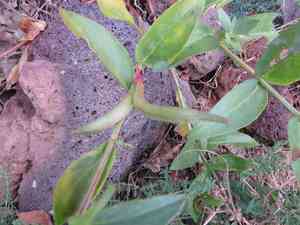
For herbaceous periwinkle, the ideal period for relocation is from late spring to early summer, allowing for the best adaptation. Provide a shaded location with soil that drains effectively to support the new development of herbaceous periwinkle.
What Preparations are Needed Before Transplanting Herbaceous Periwinkle?
What is the Ideal Time for Transplanting Herbaceous Periwinkle?
The perfect time for moving herbaceous periwinkle is when the sun gently warms the earth, typically from late spring into early summer. This period allows herbaceous periwinkle's roots to settle in mild conditions, avoiding frost and intense summer heat. Transplanting then encourages strong growth, ensuring herbaceous periwinkle flourishes in its new spot with the full growing season ahead.
How Much Space Should You Leave Between Herbaceous Periwinkle Plants?
When preparing a new home for herbaceous periwinkle, remember they require adequate personal space. Aim for a comfortable distance of 15-18 inches (38-46 cm) between each plant. This provides them ample room to thrive without overcrowding.
What is the Best Soil Mix for Herbaceous Periwinkle Transplanting?
Before herbaceous periwinkle settles in, prepare an optimal soil blend. Target well-draining soil enriched with a balanced, slow-release fertilizer. It's like setting up a cozy bed with the right nutrients for a restful night.
Where Should You Relocate Your Herbaceous Periwinkle?
Find a location for your herbaceous periwinkle that receives partial sunlight, ideally where the sun's rays gently touch the leaves for a few hours daily. This shaded environment will keep your herbaceous periwinkle vibrant and healthy.
What Equipments Should You Prepare Before Transplantation Herbaceous Periwinkle?
Gardening Gloves
To safeguard your hands while handling soil and plants.
Shovel or Spade
To carefully excavate the plant without harming its roots.
Garden Fork
To loosen the soil around the roots if needed.
Watering Can
To hydrate the plant before and after relocation.
Wheelbarrow or Garden Cart
For moving the plant to its new site.
Pruning Shears
For trimming any damaged roots or leaves prior to transplanting.
Mulch
To help maintain soil moisture and prevent weeds post-transplant.
How Do You Remove Herbaceous Periwinkle from the Soil?
How Do You Remove Herbaceous Periwinkle from the Soil?
From Ground: Hydrate herbaceous periwinkle to moisten the soil. Then, dig a wide trench around the plant using a shovel or spade, being careful not to harm the root ball. Gently work the spade beneath the root ball to lift the plant from the ground.From Pot: Water herbaceous periwinkle and gently tap the pot's sides to loosen the soil. Turn the pot sideways and carefully slide the plant out, supporting the stem's base with your hand.From Seedling Tray: Water the seedling tray to dampen the soil. Use a spoon or a dibber to gently remove the herbaceous periwinkle seedling from the tray without disturbing its root system.
Step-by-Step Guide for Transplanting Herbaceous Periwinkle
Preparation
Choose a cloudy day or late afternoon for transplanting, which minimizes stress on herbaceous periwinkle.
Excavation
Dig a hole at the new site that is twice the root ball's width and the same depth.
Root Inspection
Examine the root ball for circling roots and gently separate them to encourage outward growth.
Planting
Place herbaceous periwinkle in the hole at the same depth it was previously. Fill in around the plant with soil, gently firming it down.
Watering
Thoroughly water herbaceous periwinkle after planting to settle the soil and remove air pockets.
Mulching
Apply a layer of mulch around the plant, leaving some space near the stem to prevent rot.
How Do You Care For Herbaceous Periwinkle After Transplanting?
Monitoring
Observe herbaceous periwinkle for signs of transplant shock, such as wilting or yellowing leaves, and address issues promptly.
Adjustments
If the plant settles and the soil compacts after watering, add more soil to level the ground around it.
Root Encouragement
For the initial month, water herbaceous periwinkle deeply once weekly to promote root growth, ensuring proper drainage is maintained.
Troubleshooting Common Issues with Herbaceous Periwinkle Transplantation.
Why is my herbaceous periwinkle wilting after transplanting?
Wilting can indicate shock. Ensure roots are well-hydrated and the plant is shielded from intense sunlight for the first few days.
How often should I water herbaceous periwinkle post-transplant?
Water thoroughly after transplanting, then keep the soil consistently moist, not waterlogged, for the initial weeks.
What's the best time to transplant herbaceous periwinkle?
Transplant during late spring through early summer when temperatures are mild and there's a balance of rainfall and sunshine.
How deep should I plant herbaceous periwinkle?
Dig a hole as deep as the root ball and twice as wide to allow roots ample space to establish.
What signs indicate herbaceous periwinkle hasn't taken well to its new spot?
Yellowing leaves, lack of growth, or drooping can signal distress. Check for proper soil conditions and water balance.
Why are the leaves of my herbaceous periwinkle turning yellow?
Yellow leaves could indicate overwatering or poor drainage. Ensure the soil drains well and reduce watering slightly.
Is it important to add fertilizer when transplanting herbaceous periwinkle?
Fertilizer can be beneficial, but it's better to ensure the plant is established before applying a balanced, slow-release fertilizer.
How can I tell if herbaceous periwinkle has enough space to grow after transplanting?
Place herbaceous periwinkle at intervals of 15-18 inches (38-45 cm) to provide ample room for spreading and growth.
Should I prune herbaceous periwinkle when transplanting?
Pruning is generally not necessary. Focus on root establishment unless there's damaged or diseased foliage.
My herbaceous periwinkle isn't thriving. Could the soil be the problem?
Check for soil fertility and pH levels. Herbaceous periwinkle prefers well-draining soil rich in organic matter with a slightly acidic to neutral pH.



