How to Prune Herbaceous periwinkle?
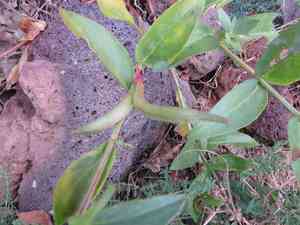
Originating in Europe, herbaceous periwinkle displays trailing stalks adorned with vibrant leaves and purple flowers. Trim to preserve its form, eliminate lifeless or ailing stems, and stimulate compact development. While herbaceous periwinkle withstands pruning at any point, it flourishes with post-flowering cuts to encourage a renewed burst of blooms. Trimming additionally averts excessive growth and sustains the plant's well-being. Being a species requiring little upkeep, herbaceous periwinkle benefits from infrequent, consistent snips, ensuring pathways and garden areas remain tidy.
Advantages of Trimming Herbaceous Periwinkle
Advantages of Trimming Herbaceous Periwinkle
Trimming herbaceous periwinkle promotes more robust development, encourages flowering, and maintains a neat form, crucial for the plant's health and visual appeal. Consistent trimming ensures a healthier, stronger specimen, allowing gardeners to fully appreciate its decorative potential.
Optimal Time for Trimming Herbaceous Periwinkle
Optimal Time for Trimming Herbaceous Periwinkle
Trimming herbaceous periwinkle in late winter to early spring, just before its active growth period begins, ensures rapid healing and directs energy towards new growth. This timing prevents cuts from causing stress that could increase disease susceptibility. It also enables effective shaping and removal of cold-damaged tissues. Avoiding pruning during peak growing season helps maintain plant vigor and flowering, while skipping late fall pruning prevents new growth vulnerable to early frosts.
Tools Required for Trimming Herbaceous Periwinkle
Hand Pruners
Perfect for making precise cuts on herbaceous periwinkle's slender stems, promoting quick recovery and minimizing harm.
Shears
Ideal for shaping and maintaining the overall structure of herbaceous periwinkle, as this plant may need frequent trims to manage its dense foliage.
Gloves
Shield hands from potential irritants in herbaceous periwinkle's sap and from sharp implements during the trimming process.
Garden Disinfectant
For sanitizing tools between cuts to prevent the spread of pathogens in herbaceous periwinkle.
Waste Container
To dispose of trimmed material and keep the area around herbaceous periwinkle tidy.
How to Trim Herbaceous Periwinkle
Sanitize
Before trimming herbaceous periwinkle, always clean and sterilize your pruning tools to prevent disease transmission.
Remove Diseased Parts
Carefully cut off any diseased leaves and branches from herbaceous periwinkle, removing them completely from the garden to avoid contamination.
Trim Withered Elements
Prune withered leaves and the withered flower on herbaceous periwinkle to encourage healthy growth and maintain a neat appearance.
Cut Dead Branches
Identify and remove any dead branches from herbaceous periwinkle, cutting at the base to allow for new growth.
Thin Out
Thin out the growth of herbaceous periwinkle if necessary by selectively pruning crowded branches to improve air circulation.
Common Trimming Errors with Herbaceous Periwinkle
Over-Pruning
Removing too much foliage at once, which can stress herbaceous periwinkle and hinder its ability to recover and flourish.
Improper Cutting Technique
Using dull or dirty tools can lead to jagged cuts that are more susceptible to disease and may harm the plant's growth.
Pruning For Shape Only
Focusing solely on the plant's shape while neglecting the health of herbaceous periwinkle can lead to poor growth and fewer blooms.
Ignoring Dead Or Diseased Growth
Failing to remove dead or diseased parts of herbaceous periwinkle may lead to the spread of disease throughout the plant.
General Trimming Advice for Herbaceous Periwinkle
Sharp And Clean Tools
Always use well-maintained, sharp pruning shears to make clean cuts that heal quickly, preventing disease.
Selective Thinning
Thin out overcrowded areas to improve air circulation and light penetration, which can enhance herbaceous periwinkle's overall health and flowering potential.
Conservative Cutting
Prune sparingly, as herbaceous periwinkle typically does not require severe cutting back - a light pruning is often sufficient for maintaining shape and vigor.
Focus On Dead Or Diseased Foliage
Regularly inspect and trim away any dead, diseased, or damaged stems to help herbaceous periwinkle maintain optimal health and appearance.



