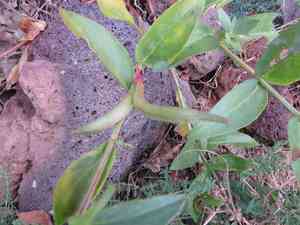
Herbaceous periwinkle (Vinca herbacea)
Also known as: Herbaceous Periwinkle
Herbaceous periwinkle, often referred to as Vinca, typically thrives in temperate regions and is commonly cultivated in gardens and landscapes. It is particularly popular as ground cover and is frequently featured in rock gardens. The plant is notable for its vibrant blooms, which come in shades of blue, purple, or white, adding a splash of color from early spring through late summer.
In This Article
Attributes of Herbaceous periwinkle
Lifespan
Perennial
Plant Type
Herb
Plant Height
10 cm to 20 cm
Spread
1 m to 1.5 m
Leaf Color
Glossy green
Flower Size
2.5 cm to 3.5 cm
Flower Color
Green Blue
Images of Herbaceous periwinkle
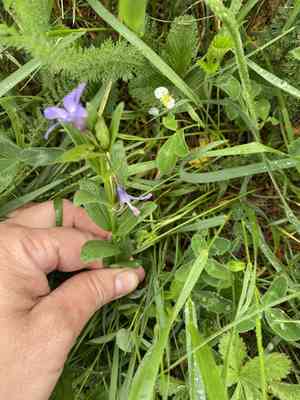
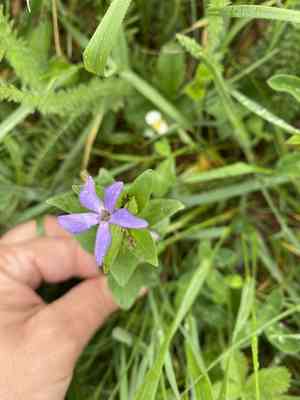
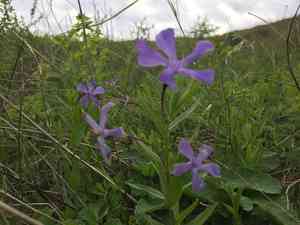
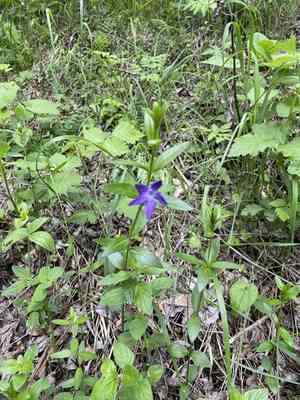
Quickly Identify Herbaceous periwinkle
1
To identify Vinca herbacea, look for trailing stems that root at the nodes, glossy, oval-shaped leaves, and small, star-shaped, blue-violet flowers. The plant often forms dense mats and prefers sunny to part-shade locations.
Scientific Classification of Herbaceous periwinkle
Phylum
Vascular plants
Class
Dicotyledons
Order
Gentianales
Family
Dogbane
Genus
Periwinkles
Species
Herbaceous periwinkle
Planting and Growing of Herbaceous periwinkle
Care Difficulty
Easy
Watering Schedule
Every 2 days
Sunlight Requirements
Full sun
Sunshine Duration
6-8 hours
Ideal Temperature
65-75℉
Soil Type
Potting Mix, Peat Mix
Soil pH
6.5-7.5
Fertilizer Type
Balanced
Pruning Season
Spring, Summer
Pruning Area
Branches, Leaves
Pruning Frequency
2 times a year
Repotting Season
Spring
Pot Type
Plastic, Terracotta
 How to Water Herbaceous periwinkle?
When watering Vinca herbacea, aim to provide approximately 100ml per session. Ensure the water seeps down to the root level without leaving the soil waterlogged. The goal is to moisten the soil evenly without drowning the plant, ensuring deep watering that encourages strong root development.
What are the symptoms of an underwatered Herbaceous periwinkle?
›
What should I do if my Herbaceous periwinkle is not getting enough water?
›
What are the symptoms of an overwatered Herbaceous periwinkle?
›
How to save an overwatered Herbaceous periwinkle?
›
 What Are the Sunlight Requirements for Herbaceous periwinkle?
Vinca herbacea thrives best in partial to full sun conditions. Ensuring optimal light can bolster its vitality, resulting in vigorous growth, robust leaves, and plentiful blooms. Ideal light facilitates photosynthesis, promoting overall robust plant health.
More About Sunlight Requirements Techniques→
Optimal Light Duration
›
Solutions for Ideal Light
›
Benefits of Ideal Light
›
 What Is the Ideal Temperature Range for Herbaceous periwinkle?
Vinca herbacea thrives best within a temperature range of 65 to 75°F. These conditions help facilitate vigorous growth and blooming. Maintaining temperatures within this range mimics its native environment, ensuring the plant's metabolic processes occur without stress.
 What Soil is Best for Herbaceous periwinkle?
Vinca herbacea thrives in well-drained soil, which prevents water from pooling around the roots, reducing the risk of root rot and promoting healthy root development. The plant prefers soil with moderate fertility, which provides essential nutrients without the risk of nutrient burn or depletion, supporting steady growth throughout the season. While the soil should be well-drained, keeping it slightly moist is beneficial. This balance ensures that the plant doesn't dry out during hot periods, maintaining vibrant foliage and blooms.
 How to Fertilize Herbaceous periwinkle?
The Vinca herbacea generally requires a moderate amount of fertilizer. For liquid fertilizers, use a balanced 10-10-10 NPK formula by diluting 1 teaspoon of fertilizer per gallon of water. For slow-release fertilizers, scatter approximately one tablespoon evenly around the base, making sure not to let it touch the plant directly to prevent root burn.
 How to Prune Herbaceous periwinkle?
Before starting, examine your Vinca herbacea fully. Identify any dead or discolored branches and leaves. This will give you a clear understanding of where pruning is necessary. Begin by removing any dead, diseased, or damaged growth. Cut these down to the base or back to healthy tissue to prevent any further decay. Thin out congested areas to improve air circulation. Focus on removing branches that cross or rub against each other. This helps in preventing disease and lets sunlight penetrate more evenly. Shape the plant by trimming excessively long growth to maintain its natural form. This not only keeps the plant looking attractive but also encourages a fuller, healthier appearance.
More About Pruning Techniques→
 How to Propagate Herbaceous periwinkle plant?
1
Collect mature seeds from Vinca herbacea plants and soak them in water for around 24 hours to soften the seed coat, enhancing germination rates.
2
Select healthy stems from the parent plant, ensuring each cutting has at least two sets of leaves and make a clean cut just below a node using pruning shears.
3
Gently remove the plant from its container, divide the rootball into smaller sections with a sharp knife, ensuring each section has sufficient roots and shoots, then replant.
 How to Repot Herbaceous periwinkle plant?
1
Recognizing when to repot Vinca herbacea is crucial. Look for signs such as roots growing through drainage holes, crowded or wilting leaves, and sluggish growth. Spring is an ideal time as the plant is entering its active growth phase, allowing it to adjust better to new conditions.
2
Select a pot that's one size larger than the current one, ensuring it has ample drainage holes. A slightly larger pot prevents water stagnation and root rot, offering sufficient space for root expansion without overwhelming the plant with excessive soil.
3
Use a well-draining potting mix composed of equal parts peat, perlite, and sand. This ensures proper aeration and moisture retention, supporting healthy root growth and reducing the risk of waterlogged conditions, which can lead to root diseases.
Toxicity
ingestion
WARNING
The judgment on toxicity and danger is for reference only. We DO NOT GUARANTEE any accuracy of such judgment. Therefore, you SHALL NOT rely on such judgment. It is IMPORTANT TO SEEK PROFESSIONAL ADVICE in advance when necessary.
Learn More About Herbaceous periwinkle Diseases
Anthracnose
Bacterial Leaf Spot
Bacterial Wilt
Crown Gall
Cyst Nematode
Damping-off
Downy Mildew
Drought Stress
Fusarium Wilt
Gray Mold
Leaf Spot
Mosaic
Nutrient Deficiency
Nutrient Toxicity
Powdery Mildew
Root Rot
Root-knot Nematode
Rusts
Sooty Mold
Spider Mites
Temperature Stress
Thrips Damage
White Mold



