How to Propagate Herbaceous periwinkle?
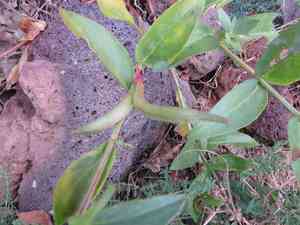
Vinca minor, a robust groundcover, is recognized for its hardiness and simple upkeep. When multiplying Vinca minor, utilizing stem sections is a successful technique. Choose vigorous stems for these sections, making sure each possesses several leaves. A rooting compound can encourage root formation, though Vinca minor frequently roots effectively without it. Insert the stem sections into a potting blend that drains efficiently, supplying sufficient hydration without oversaturation, as this could cause decay. After roots have formed, Vinca minor acclimates to its surroundings, needing little attention. It is vital to sustain an equilibrium of dampness and air circulation during the rooting period to foster strong development.
Optimal Time for Herbaceous Periwinkle Propagation
Propagation Method
Cutting
Propagation Period
Spring,Summer
Tools Required for Herbaceous Periwinkle Propagation
Sharp Pruning Shears
These are vital for making clean cuts on herbaceous periwinkle stems during propagation by cutting. Sharp blades minimize plant tissue damage, which can improve rooting success and lower disease risk.
Rooting Hormone
This chemical compound aids in stimulating root development from the severed ends of herbaceous periwinkle stem cuttings. Applying rooting hormone to fresh cuts boosts the likelihood of successful root formation, ensuring quicker establishment and higher success rates.
Sterile Soil or Soil-less Propagation Mix
Employing a sterile medium is crucial for preventing fungal and bacterial infections that can jeopardize cutting survival. A well-draining, nutrient-balanced medium supports the initial growth phase by providing ideal conditions for herbaceous periwinkle root development.
Propagator or Propagation Tray with Dome
Offers a regulated environment to maintain adequate humidity and temperature, essential for cuttings to flourish. The dome helps retain moisture around herbaceous periwinkle, preventing cuttings from drying out before root establishment.
Misting Bottle
Used to gently hydrate cuttings without disruption. Regular misting helps maintain optimal moisture levels, crucial for herbaceous periwinkle's rooting process, fostering a supportive environment for new root growth.
How to Propagate Herbaceous Periwinkle?
Propagation Type
Easy
Caring for Your Newly Propagated Herbaceous Periwinkle
Caring for Your Newly Propagated Herbaceous Periwinkle
Post-propagation, keep herbaceous periwinkle soil moist but not waterlogged, and provide indirect light or partial shade. As the plant establishes, reduce watering frequency and begin feeding with a general-purpose, water-soluble fertilizer monthly during the growing season. Shield from intense afternoon sun and frost.
Common Errors to Avoid When Propagating Herbaceous Periwinkle
Overwatering
Excessive watering of herbaceous periwinkle can lead to waterlogged soil, reducing oxygen availability to roots and potentially causing root rot.
Using unsterilized tools
Propagation with unsterilized tools can introduce pathogens to herbaceous periwinkle, increasing disease risk and hindering growth.
Incorrect soil mix
A soil mix that is too dense or nutrient-rich can impede herbaceous periwinkle's root development, as it thrives in well-draining, lighter soil.
Tips For Propagating Herbaceous Periwinkle
Soil preparation
Utilize a well-draining, sandy soil mix that mimics herbaceous periwinkle's natural habitat, promoting superior root health and growth.
Moisture control
Maintain balanced soil moisture when propagating herbaceous periwinkle to encourage healthy root growth while preventing root rot.
Tool sterilization
Always sterilize propagation tools before use to prevent disease spread to herbaceous periwinkle, which could significantly impact propagation success.



