Enhancing Your Garden Design with the Herbaceous periwinkle Plant: A Landscaping Guide
1
Herbaceous periwinkle brings vivid hues and interesting texture to any garden, making it a flexible option for landscape designers.
2
Herbaceous periwinkle is simple to care for, needing little irrigation and trimming.
3
Fitting into diverse landscaping aesthetics, Herbaceous periwinkle is suitable for classic, contemporary, and compact garden areas.
Appreciating the Visual Charm of Herbaceous Periwinkle
Appearance Details: Hue and Texture
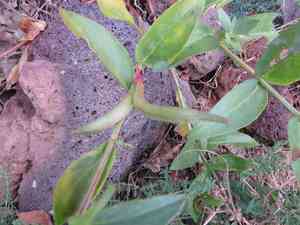
A primary reason Herbaceous periwinkle is favored by landscape designers is its striking visual appeal. It showcases vivid, delicate blossoms typically in various shades, injecting color into your garden. These flowers beautifully contrast with its dark green, glossy leaves, creating a lush, full look. The plant's spreading nature also adds dynamic texture to garden beds and borders, forming a carpet-like effect.
Seasonal Changes in Look
Herbaceous periwinkle offers an evolving palette throughout the year, making it perfect for continuous interest. In spring and summer, its bright flowers emerge, creating captivating displays. As colder months approach, it keeps its rich green foliage, providing a consistent green backdrop. This seasonal shift ensures your landscape stays visually appealing all year.
Companion Plants for Herbaceous Periwinkle
Pairing Herbaceous periwinkle with suitable companions enhances its beauty and maximizes its aesthetic impact. Consider planting it alongside other low-growing perennials that thrive in similar conditions, such as hostas or ferns. The contrast between its flowers and the foliage of companion plants creates a balanced, unified look. Additionally, its dense growth can serve as a natural ground cover, reducing weed growth and giving your garden a neat, refined appearance.
Integrating Herbaceous Periwinkle into Various Landscape Styles
Traditional Garden Designs with Herbaceous Periwinkle
Traditional garden layouts often emphasize symmetry and a classic, ordered look. Herbaceous periwinkle fits perfectly into these designs due to its neat growth habit and vibrant color. Use it to define garden paths, fill spaces between larger shrubs, or create a dense ground cover in more formal garden beds. The plant's consistent appearance aligns well with the structured nature of traditional gardens.
Modern Landscape Concepts Featuring Herbaceous Periwinkle
Modern landscapes frequently focus on clean lines, minimalism, and a mix of natural and artificial elements. Herbaceous periwinkle's adaptability shines here too. Its bright blooms can provide splashes of color against minimalist stone or metal features. Planting it in geometric patterns or sleek containers can enhance the structured feel of modern designs, while its creeping habit beautifully contrasts with hard surfaces, adding a softer touch.
Utilizing Herbaceous Periwinkle in Compact Areas
For those with limited gardening space, Herbaceous periwinkle is an excellent choice. Its compact growth allows it to flourish in small garden beds, containers, or even hanging baskets. In urban settings, where space is at a premium, it can be used to add greenery and color to balconies or patios. The plant's resilience and low maintenance make it ideal for gardeners aiming to maximize their green space with minimal effort.
Care Guidelines for Herbaceous Periwinkle in Landscaping
Optimal Planting Conditions
To ensure the best growth for Herbaceous periwinkle, plant it in well-draining soil with a neutral to slightly acidic pH. It thrives in both full sun and partial shade, though more sunlight typically leads to more abundant blooming. When planting, dig a hole twice the width of the root ball but not deeper. Space plants adequately to allow for their spreading habit while preventing overcrowding.
Watering and Fertilizing Practices
Herbaceous periwinkle is relatively low-maintenance regarding watering and feeding. Once established, it's drought-tolerant and doesn't require frequent irrigation. Water your plants moderately, ensuring the soil stays moist but not waterlogged. For feeding, a balanced, slow-release fertilizer applied in early spring can promote healthy growth and vibrant blooms. Fertilize sparingly to avoid over-stimulation and potential harm to the plant.
Pruning and Seasonal Maintenance
To maintain Herbaceous periwinkle's shape and encourage vigorous growth, occasional pruning is necessary. Trim back any overgrown or leggy stems after the blooming period. Remove any dead or damaged foliage to promote air circulation and prevent disease. During winter, provide a layer of mulch around the base of the plants to protect roots from extreme cold. This simple seasonal care routine ensures your Herbaceous periwinkle remains healthy and attractive year-round.



