How to Transplant Wood vetch?
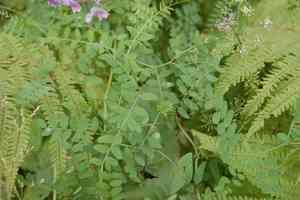
The optimal period for relocating wood vetch extends from the refreshing onset of early spring into the lush zenith of late spring. Select areas offering shade and soil that drains effectively. Should it be necessary, carefully untangle the roots to foster their integration.
What Preparations are Needed Before Transplanting Wood Vetch?
What is the Ideal Time for Transplanting Wood Vetch?
The best time to move wood vetch is from the start of spring to the beginning of summer. This period, with its mild temperatures and longer days, is perfect for wood vetch's roots to establish before the peak of summer. Transplanting now takes advantage of its natural growth cycle, promoting root development and strong health. A helpful hint: Always transplant carefully to give wood vetch the best chance to thrive in its new spot.
How Much Space Should You Leave Between Wood Vetch Plants?
When getting ready to plant your wood vetch, aim for a gentle spacing of about 6-8 inches (15-20 cm). This provides your wood vetch ample room to grow without competing for resources.
What is the Best Soil Mix for Wood Vetch Transplanting?
For optimal wood vetch growth, blend your garden soil with a balanced compost. It prefers fertile, well-draining soil. Add a balanced, slow-release fertilizer as a base to give your wood vetch a strong start.
Where Should You Relocate Your Wood Vetch?
Choose a location for your wood vetch that receives partial shade to full sun. An area with filtered sunlight throughout the day is ideal. This will help your wood vetch settle in without the stress of intense, direct sun.
What Equipments Should You Prepare Before Transplantation Wood Vetch?
Gardening Gloves
To safeguard your hands while handling soil and plants.
Shovel or Spade
For digging around the plant to lift it with its root ball intact.
Garden Fork
Useful for loosening the soil around the plant's root area.
Watering Can or Hose
To hydrate the plant after it has been moved.
Pruner or Sharp Knife
To trim any damaged roots or stems prior to transplanting.
Wheelbarrow or Garden Cart
To move the wood vetch to its new location.
Mulch
To help retain soil moisture and prevent weeds around the newly planted area.
How Do You Remove Wood Vetch from the Soil?
How Do You Remove Wood Vetch from the Soil?
From Ground: First, thoroughly water the wood vetch to moisten the soil. Use a shovel or spade to dig a wide circle around the plant, carefully working beneath the root ball, and lift the plant from its spot.From Pot: Start by watering the wood vetch to facilitate removal. Turn the pot on its side and gently tap the edges to loosen the root ball. Carefully slide the plant out, preserving the root structure.From Seedling Tray: Ensure seedlings are well-watered before beginning. Use a dibber or small stick to push up from below the seedling cell to gently lift the root ball and seedling from the tray.
Step-by-Step Guide for Transplanting Wood Vetch
Digging the New Hole
Dig a hole in the planting area that is twice as wide as the wood vetch's root ball and of the same depth to ensure the plant sits at its previous growing level.
Plant Inspection
Gently examine the wood vetch's root ball. Trim any broken or overly long roots to encourage healthy root development.
Placing the Plant
Carefully lower the wood vetch into the new hole. Ensure it is centered and upright. The top of the root ball should be level with the surrounding soil surface.
Filling the Hole
Backfill the hole with soil gently. Periodically lightly tamp down the soil to remove air pockets without compacting it too much.
Watering
Thoroughly water the wood vetch immediately after planting to settle the soil around the root ball and hydrate the roots.
How Do You Care For Wood Vetch After Transplanting?
Monitoring
Observe the wood vetch regularly for signs of stress like wilted or yellowing leaves, indicating it might need more attention.
Watering
Keep the soil around the wood vetch moist for the initial few weeks after transplant. Water deeply to promote new root growth but avoid overwatering.
Mulching
Apply a layer of mulch around the base of the wood vetch, avoiding direct contact with the stems, to conserve moisture and regulate soil temperature.
Staking
If the wood vetch is tall or top-heavy, provide a stake or plant support to help it stay upright and stable as it establishes new roots.
Pruning
Trim any damaged or dead foliage to help the wood vetch focus its energy on new growth instead of repairing injured parts.
Troubleshooting Common Issues with Wood Vetch Transplantation.
Why isn't my wood vetch thriving after transplanting?
Ensure you are transplanting during the ideal window, from early to late spring. Check for proper light, soil, and water conditions.
What spacing should I use for wood vetch when transplanting?
Aim for a pleasant spacious environment, placing each wood vetch about 6-8 inches (15-20 cm) apart, fostering healthy growth.
Can I transplant wood vetch in summer or fall?
For a smooth transition, it's best to transplant wood vetch during the favorable breezes of early to late spring.
How deep should I plant wood vetch's roots?
Place the roots snugly into the soil, ensuring the crown sits at soil level, promoting a stable and strong base.
How much sun does wood vetch need after transplanting?
Provide wood vetch with partial to full sunlight to keep it thriving and flourishing in your garden sanctuary.
What should I do if wood vetch's leaves yellow after transplanting?
Yellowing leaves can signal distress; re-evaluate moisture and nutrients, and ensure adequate soil drainage.
Is it necessary to water wood vetch immediately after transplanting?
Absolutely! A generous amount of water post-transplant ensures wood vetch settles into its new home with ease and comfort.
How do I prepare the soil for wood vetch before transplanting?
Provide your wood vetch with well-draining soil, enriched with organic matter to support and nourish its root system.
Should I apply fertilizer when transplanting wood vetch?
A mild dose of slow-release fertilizer at transplanting time can be the warm welcome your wood vetch desires.
How do I avoid transplant shock in wood vetch?
A gentle approach and consistent care; keep soil moist (not waterlogged) and offer initial shade from harsh sun.



