Enhancing Your Garden Design with the Wood vetch Plant: A Landscaping Guide
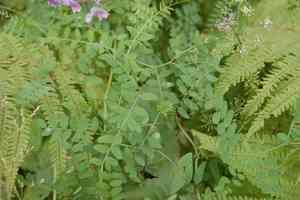
1
Wood vetch offers a distinct aesthetic that can elevate any garden environment.
2
Growing Wood vetch alongside other plants can benefit them and boost garden variety.
3
Wood vetch adjusts readily to seasonal shifts, making it a flexible addition to your outdoor space.
Exploring the Function of Wood Vetch in Landscape Design
What Makes Wood Vetch Distinctive in Garden Planning?
When selecting flora to enhance your outdoor space, Wood vetch distinguishes itself through its unique characteristics. Wood vetch is recognized for its delicate, appealing blossoms, which lend a touch of grace to any landscape. Its climbing habit also makes it an excellent option for trellises and other vertical garden structures, adding height and depth to your scheme. Furthermore, Wood vetch possesses a soft aesthetic that contrasts well with more rigid plant forms, fostering a balanced and harmonious arrangement.
Comparing Wood Vetch with Other Standard Garden Plants
In contrast to other popular landscaping flora, Wood vetch offers several clear advantages. Unlike many traditional shrubs that demand frequent trimming and can become quite dense, Wood vetch maintains a more open and airy form. This trait makes it an ideal partner for other garden elements and ensures it doesn't overshadow nearby plants. Moreover, Wood vetch requires relatively little upkeep compared to other flowers that might need more rigorous care routines. This ease of maintenance makes Wood vetch a practical choice for both novice and seasoned gardeners.
Integrating Wood Vetch into Your Garden Layout
Design Concepts: Utilizing Wood Vetch as a Central Feature
Establishing a focal point with Wood vetch can significantly boost your garden's visual appeal. Consider planting Wood vetch near garden entrances or along pathways where its blooms can be admired closely. You can also train Wood vetch to ascend over a pergola or garden arch, creating a stunning, flower-draped entry. The key is to position Wood vetch where its beauty can capture attention and provide a central point of interest in your garden's design.
Companion Planting: What Pairs Best with Wood Vetch?
Companion planting with Wood vetch can offer numerous benefits for your garden. Suitable companion plants include those that thrive in similar conditions, such as sun-loving perennials and flowering shrubs. Consider pairing Wood vetch with plants like roses or lavender, which also prefer full sun and well-drained soil. This combination not only creates a visually pleasing arrangement but can also foster a healthier garden ecosystem by attracting beneficial insects and providing diverse habitats.
Seasonal Considerations for Wood Vetch
Optimal Time of Year to Plant Wood Vetch
Timing is critical when introducing Wood vetch to your garden. The best period to plant Wood vetch is during early spring or autumn when temperatures are moderate. Planting during these times allows Wood vetch to develop strong root systems before the summer heat or winter cold arrives. Ensure the chosen time aligns with your local climate conditions for optimal growth and flowering.
How Does Wood Vetch Adapt to Seasonal Changes?
One of Wood vetch's many strengths is its ability to adjust to seasonal shifts. In spring, Wood vetch bursts into bloom, offering vibrant colors and fragrances that persist into early summer. During warmer months, Wood vetch remains resilient and continues to grow with minimal attention. As autumn approaches, its foliage often takes on a different hue, adding another layer of seasonal interest. In winter, Wood vetch demands little upkeep, making it a year-round addition that requires minimal effort.
Care Guidelines for Wood Vetch
Fundamental Care Requirements for Wood Vetch
Caring for Wood vetch is straightforward, making it an ideal plant for gardeners of all experience levels. Consistent watering, especially during dry spells, ensures the plant stays healthy. Applying mulch around the base of Wood vetch helps retain soil moisture and suppress weeds. Annual pruning is advised to remove any dead or damaged stems, which encourages vigorous growth and blooming in subsequent seasons. By following these simple steps, you can keep Wood vetch thriving with minimal effort.
Addressing Common Issues with Wood Vetch
While Wood vetch is quite robust, it can occasionally encounter problems. Common issues include pests like aphids and spider mites, which can be managed with insecticidal soap or natural predators such as ladybugs. Fungal diseases, often linked to excessive moisture, can be prevented by ensuring proper spacing and avoiding overhead irrigation. Regular inspection of Wood vetch can help detect these problems early, allowing for prompt treatment and maintaining plant health.
Ecological Advantages of Including Wood Vetch in Your Garden
Contributions to Local Ecosystems
Incorporating Wood vetch into your garden can significantly benefit local ecology. By supplying nectar and pollen, Wood vetch supports local pollinators like bees and butterflies. These pollinators, in turn, play a vital role in the health and reproduction of various garden plants. Additionally, Wood vetch's structure provides habitat and shelter for small insects and birds, enhancing garden biodiversity.
How Wood Vetch Promotes Biodiversity
Beyond its aesthetic appeal, Wood vetch plays a crucial role in fostering biodiversity within your garden. Its presence can attract a diverse array of wildlife, including beneficial insects and small animals. This increased biodiversity can lead to a more resilient and self-sustaining garden ecosystem. By planting Wood vetch, you're not only enhancing your garden's beauty but also contributing to a healthier and more vibrant natural environment.



