How to Propagate Wood vetch?
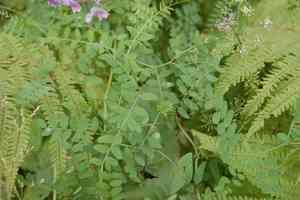
Wood vetch are enduring leguminous plants that can be multiplied via stem sections. This technique enables the rapid formation of blooming ground cover in forested regions and cultivated plots. To foster effective root formation, sections ought to be harvested from robust, thriving stems. Applying rooting stimulant to the severed end can aid in superior root growth. After becoming established, wood vetch will expand organically, so provide them ample room to flourish in an appropriate setting that emulates their indigenous forest surroundings.
What Is the Best Time To Propagate Wood Vetch?
Propagation Type
Cutting
Propagation Season
Spring,Summer
What Tools Are Used in Wood Vetch Propagation?
Sharp Pruning Shears
Utilized for obtaining clean and precise cuttings from the parent wood vetch. Correct use of sharp pruning shears minimizes harm to the parent plant and boosts the likelihood of successful rooting and growth in cuttings.
Rooting Hormone
Applied to the severed end of wood vetch cuttings to stimulate root formation. This hormone promotes quicker root growth, which is vital for the successful establishment of the new plant.
Sterile Potting Mix
Offers a clean, pathogen-free growing medium for wood vetch cuttings. A light, well-draining mix supports the growth of new roots without holding too much moisture, which could lead to rot.
Propagation Trays
Used to hold the cuttings of wood vetch. These trays help organize the propagation process and can be fitted with covers to maintain high humidity around the cuttings, encouraging root development.
Heat Mats
Placed beneath propagation trays to maintain optimal soil temperature, enhancing root growth in wood vetch cuttings. This is particularly beneficial in cooler climates or during colder months.
How to Propagate Wood Vetch?
Propagation Type
Moderately Difficult
How to Care for Your Newly Propagated Wood Vetch?
How to Care for Your Newly Propagated Wood Vetch?
Once roots have developed and new growth emerges, gradually introduce the wood vetch to less humid conditions by removing the plastic cover. Transplant it into a larger container or directly into the garden if the environment is suitable. Wood vetch thrives in partial shade and requires moist, fertile soil. Consistent watering is essential for young plants, especially during dry periods. Mulching can help retain soil moisture and suppress weeds around wood vetch. Regularly check for pests and diseases and treat them appropriately to ensure healthy growth.
Common Mistakes to Avoid When Propagating Wood Vetch
Overwatering
Excessive moisture leads to root rot and fungal diseases, compromising the health of wood vetch's root system.
Deep sowing
Planting seeds too deeply can hinder germination, as wood vetch seeds need adequate light exposure to sprout effectively.
Neglecting pre-sowing treatment
Failing to scarify or soak wood vetch's seeds before planting can result in poor germination rates due to their tough seed coats.
Overcrowding
Planting wood vetch seeds or seedlings too close together can lead to competition for nutrients and light, impeding growth and vigor.
Ignoring soil quality
Wood vetch requires well-draining soil; overlooking this can impede root development and overall plant health.
Tips For Propagating Wood Vetch
Moderate watering
Provide consistent moisture but avoid waterlogging the soil to support healthy wood vetch root development without the risk of root diseases.
Appropriate sowing depth
Sow wood vetch's seeds at a shallow depth, ensuring they are lightly covered with soil to facilitate proper germination.
Seed treatment
Enhance germination by scarifying or soaking wood vetch's seeds to break down the tough seed coat before sowing.
Spacing
Space wood vetch adequately to ensure sufficient access to nutrients and light, which promotes robust growth.
Soil preparation
Use well-draining soil rich in organic matter to favor wood vetch's root growth and overall plant health.



