How to Prune Wood vetch?
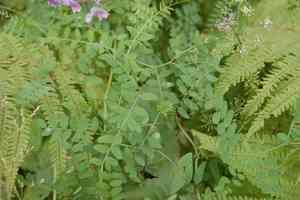
A scandent, enduring leguminous plant, wood vetch flourishes in forested regions and benefits from judicious trimming to sustain its vitality and form. Perform pruning in the early spring or late winter, eliminating deceased or frail stalks to stimulate fresh development. After blooming, shorten excessively long shoots to manage its dimensions. Trimming assists in averting excessive density and fosters air movement, which is crucial for the well-being and blossoming of wood vetch.
What Are the Benefits of Pruning Wood Vetch?
What Are the Benefits of Pruning Wood Vetch?
Trimming wood vetch encourages robust development by stimulating new shoots, leading to denser foliage. Regular cutting helps maintain its form, enhancing the garden's visual appeal.
What Is the Best Time for Pruning Wood Vetch?
What Is the Best Time for Pruning Wood Vetch?
The optimal period for pruning wood vetch is from late winter to early spring, as it is a deciduous perennial that enters dormancy in colder months. Pruning during this dormant phase, prior to the emergence of new growth, minimizes stress on wood vetch and supports vigorous development in the upcoming season. It also provides clearer visibility of the plant's structure without leaves, allowing for more precise cuts. Furthermore, pruning before spring's arrival helps prevent the spread of diseases that are more active in warmer, wetter conditions. This timing aligns with wood vetch's growth cycle to revitalize the plant and encourage blooming, as wood vetch typically flowers from late spring to summer.
What Tools Do I Need to Prune Wood Vetch?
Hand Pruners
Perfect for severing small stems and branches. Wood vetch often possesses slender, twining stems that are easily managed with sharp hand pruners.
Pruning Shears
Ideal for shaping and trimming the foliage of wood vetch. Their precise cutting action enables neat growth management.
Gardening Gloves
Not a cutting implement, but crucial for safeguarding hands from thorns or rough material when pruning wood vetch.
Pruning Saw
Useful for older, more woody stems that hand pruners cannot easily cut. While wood vetch typically doesn't develop thick stems, a saw might be necessary for mature growth.
Loppers
For stems that are somewhat thicker and beyond the reach of hand pruners, loppers offer the required leverage for a clean cut without harming wood vetch.
How to Prune Wood Vetch
Identification
Locate and mark diseased and withered leaves on wood vetch, ensuring these parts clearly show signs of illness or decay.
Sanitation
Utilize clean, sharp pruning shears or scissors. Before beginning, sterilize the blades with alcohol or a bleach solution to prevent disease transmission.
Pruning Diseased Leaves
Carefully snip off the diseased leaves from wood vetch at the base of the leaf stem, ensuring a clean cut that doesn't harm the plant's healthy sections.
Pruning Withered Leaves
Remove the withered leaves by cutting them where they meet healthy tissue, avoiding damage to new growth or buds.
Disposal
Properly dispose of diseased and withered leaves, ideally by burning them or sealing them in a bag, to prevent the spread of any pathogens.
Common Pruning Mistakes with Wood Vetch
Overpruning
Removing an excessive amount of growth at once, which can stress wood vetch and result in poor development or reduced flowering.
Improper Cut Location
Cutting too far from a bud or node on wood vetch, which can lead to dieback or disease entry, or too close, which can damage or eliminate the bud entirely.
Using Dull Tools
Pruning with blunt or dirty tools can cause jagged cuts that heal poorly and increase the likelihood of disease.
Neglecting Dead Material
Failing to remove dead or diseased material, which can impede the growth of wood vetch and encourage disease spread.
Ignoring Plant Form
Not considering the natural growth habit of wood vetch during pruning can result in an unnatural appearance or harm the plant.
Unbalanced Pruning
Pruning only one side or section, leading to lopsided growth or stability issues with wood vetch.
Common Pruning Tips for Wood Vetch
Sharp Clean Tools
Always use sharp, clean pruning shears or scissors to make precise cuts and minimize the risk of disease.
Nodal Pruning
Make cuts just above the nodes or buds at a 45° angle, which allows wood vetch to recover faster and directs new growth favorably.
Selective Pruning
Prune selectively, focusing on removing dead, diseased, or crossing branches to enhance air circulation and light penetration for wood vetch.
Thinning Overcrowded Areas
Thin out congested areas to promote good health and vigorous growth, ensuring ample space for each stem of wood vetch.
Gentle Reshaping
Reshape wood vetch gently to maintain an attractive form and encourage flowering without compromising the plant's natural growth habit.
Sequential Pruning
Prune gradually, especially on mature plants, to monitor the plant's response and adjust as needed without causing shock to wood vetch.



