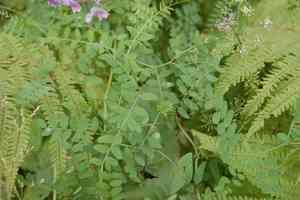
Wood vetch (Vicia sylvatica)
Also known as: Wood Vetch
The wood vetch (Vicia sylvatica) is a flowering plant native to Ireland. It belongs to the same genus as lentils and peas. Historical records indicate that plants from the Vicia genus were among the earliest to be cultivated, with evidence pointing to their domestication around 9,000 years ago.
In This Article
Attributes of Wood vetch
Lifespan
Perennial
Plant Type
Vine
Plant Height
1.5 m to 1.8 m
Spread
30 cm
Leaf Color
Green
Flower Size
1.5 cm to 2 cm
Flower Color
White Purple
Images of Wood vetch
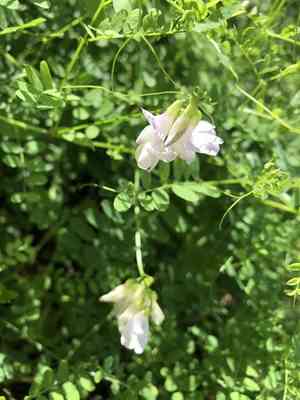
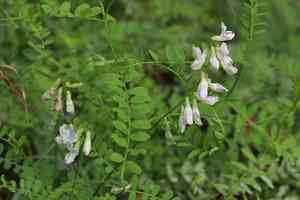
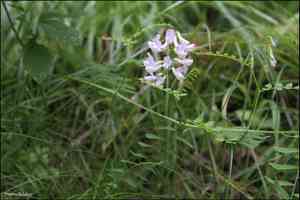
Quickly Identify Wood vetch
1
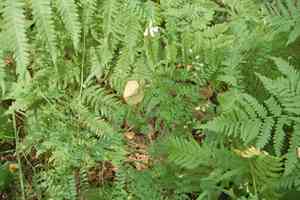
This plant can be identified by its pinnate leaves with 6-10 pairs of narrow, oblong leaflets, which terminate in tendrils. Its flowers are white with purple veins, forming loose racemes, giving a distinctive appearance.
Scientific Classification of Wood vetch
Phylum
Vascular plants
Class
Dicotyledons
Order
Fabales
Family
Legume
Genus
Vetches
Species
Wood vetch
Planting and Growing of Wood vetch
Care Difficulty
Easy
Watering Schedule
Every 3 days
Sunlight Requirements
Partial sun
Sunshine Duration
6-10 hours
Ideal Temperature
59-77℉
Soil Type
Potting Mix, Peat Mix
Soil pH
6.5-7.5
Fertilizer Type
Balanced
Pruning Season
Spring, Summer
Pruning Area
Branches, Leaves
Pruning Frequency
2 times a year
Repotting Season
Spring
Pot Type
Plastic, Ceramic
 How to Water Wood vetch?
Vicia sylvatica thrives when the soil is kept consistently moist but not waterlogged. This means giving it a deep watering of roughly 500 ml each time, ensuring that the water penetrates the soil deeply without causing puddles on the surface. It's crucial to allow the top inch of soil to dry out between waterings to prevent root rot yet maintain sufficient moisture for healthy growth.
What are the symptoms of an underwatered Wood vetch?
›
What should I do if my Wood vetch is not getting enough water?
›
What are the symptoms of an overwatered Wood vetch?
›
How to save an overwatered Wood vetch?
›
 What Are the Sunlight Requirements for Wood vetch?
Vicia sylvatica's ideal light range is partial sun to full shade. This range allows for balanced growth, maintaining healthy foliage and consistent bloom cycles.
More About Sunlight Requirements Techniques→
What is the best lighting condition for Vicia sylvatica?
›
How can we achieve ideal lighting for Vicia sylvatica?
›
What are the benefits of achieving ideal lighting?
›
 What Is the Ideal Temperature Range for Wood vetch?
Vicia sylvatica thrives best in moderate temperatures ranging from 59°F to 77°F. Such conditions mimic its natural habitat, providing a stable environment for optimal growth. Temperatures in this range promote robust foliage development and effective nutrient absorption, ensuring a healthy lifecycle.
 What Soil is Best for Wood vetch?
Vicia sylvatica thrives in nutrient-rich soil as it provides essential elements for growth. High organic content increases microbial activity, enhancing nitrogen availability, which is crucial for its development. This plant demands well-drained soil to prevent waterlogging. Adequate drainage reduces root rot risks and supports healthy root development, improving the plant's overall vitality. Moderate soil moisture is preferred to keep the roots healthy. Regular moisture without excess allows Vicia sylvatica to sustain its growth across seasons, ensuring robustness.
 How to Fertilize Wood vetch?
For Vicia sylvatica, a balanced approach to fertilization is essential. Use a 10-10-10 NPK fertilizer at a rate of 1/4 strength monthly for liquid fertilizers. For slow-release options, apply according to the package instructions, typically around 50 grams per square meter. It's crucial to avoid over-fertilization as this plant is not highly demanding.
 How to Prune Wood vetch?
Begin by removing any dead or damaged stems to stimulate new growth. This allows energy to be redirected to healthy parts of the plant. Trim any overly dense areas to improve air circulation. This helps prevent disease by allowing light and air to reach all parts of the plant. Carefully shape the plant to maintain its natural look while ensuring it's not overgrown. Focus on keeping the central trunk clear of shoots and branches for a clean appearance.
More About Pruning Techniques→
 How to Propagate Wood vetch plant?
1
Harvest seeds from mature pods when they have turned brown but before they burst open. Carefully open the pods and collect the seeds, allowing them to dry before storage.
2
Cut healthy stems from the plant, ideally 10-15 cm in length, ensuring to make the cut just below a node. Remove the bottom leaves to reduce moisture loss when planting.
3
Place seeds or prepared cuttings into seed trays filled with moist potting mix. Seeds should be lightly covered with soil while cuttings should be half-buried in the substrate.
 How to Repot Wood vetch plant?
1
Vicia sylvatica usually signals its need for repotting when you notice roots protruding from the drainage holes or the plant becoming top-heavy. Additionally, if the soil drains water too rapidly or doesn't dry out at all, it's time to repot. These signals usually occur in spring or early summer, when the plant starts its active growth phase.
2
Select a pot that is one or two sizes larger than the existing one, with good drainage holes at the bottom. The increased size allows the roots more room to grow, providing additional stability. The drainage holes prevent water logging, reducing the risk of root rot, which is particularly detrimental to Vicia sylvatica.
3
A well-draining potting mix is essential for Vicia sylvatica. This should consist of components like a mixture of peat, perlite, and a bit of sand, which facilitate quick drainage and prevent water retention. Such a soil mix minimizes the risks of fungal infections and ensures robust root health, promoting vigorous plant growth.
Learn More About Wood vetch Diseases
Anthracnose
Bacterial Leaf Spot
Bacterial Wilt
Chemical Injury
Cyst Nematode
Damping-off
Downy Mildew
Drought Stress
Fusarium Wilt
Gray Mold
Leaf Spot
Mosaic
Nutrient Deficiency
Nutrient Toxicity
Powdery Mildew
Root Rot
Root-knot Nematode
Rusts
Sooty Mold
Spider Mites
Temperature Stress
Thrips Damage
White Mold



