How to Transplant Baldwin's ironweed?
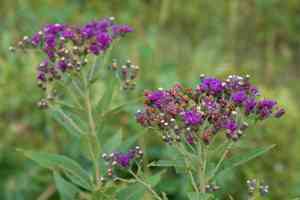
Relocate baldwin's ironweed during the vibrant period of late spring through early summer, when its growth vigor is at its highest. Choose a location bathed in sunlight with soil that drains effectively. Should it be necessary, ensure continuous hydration after transplantation for optimal rooting.
What Preparations are Needed Before Transplanting Baldwin's Ironweed?
What is the Ideal Time for Transplanting Baldwin's Ironweed?
The optimal period to move your baldwin's ironweed is when temperatures become consistently mild, typically in late spring or early summer. During this time, the ground is sufficiently warm to support root development, allowing your baldwin's ironweed to establish itself comfortably. Relocating your baldwin's ironweed during this season encourages robust growth and adaptation, as stable temperatures and increasing daylight create an ideal nurturing environment. An early summer transfer maximizes the growth potential of your baldwin's ironweed, leading to a vibrant and full display. So, prepare your gardening tools when the sun offers its gentle, steady warmth, and provide your baldwin's ironweed with its perfect new home!
How Much Space Should You Leave Between Baldwin's Ironweed Plants?
To ensure ample room for baldwin's ironweed to grow, position these beautiful plants approximately 2-3 feet (60-90 cm) apart. They can become quite large, so this spacing will help them flourish and enhance your garden's aesthetic.
What is the Best Soil Mix for Baldwin's Ironweed Transplanting?
The soil for baldwin's ironweed transplantation should drain well, as they do not tolerate soggy conditions. For initial fertilization, a slow-release, all-purpose product can be used. Improve your soil with organic matter to supply your plants with necessary nutrients.
Where Should You Relocate Your Baldwin's Ironweed?
Baldwin's ironweed thrives in sunlight, so select a sunny spot for transplanting. Choose an area where the plant will receive at least 6 hours of sun daily. A location with morning sun and some afternoon shade would be perfect for your baldwin's ironweed.
What Equipments Should You Prepare Before Transplantation Baldwin's Ironweed?
Gardening Gloves
To safeguard your hands while handling baldwin's ironweed's roots and soil.
Shovel or Spade
Essential for digging holes to transplant baldwin's ironweed and useful for loosening roots when removing it from its original spot.
Pruning Shears
Helpful for trimming unhealthy roots or leaves of baldwin's ironweed during the transplanting process.
Trowel
Ideal for moving baldwin's ironweed from a container or seedling tray into the ground.
Bucket or Wheelbarrow
For transporting baldwin's ironweed and its soil from the initial location to the new site.
Watering Can with Rain Shower Head
Crucial for hydrating baldwin's ironweed after planting.
Mulch
Assists in retaining moisture and preventing weed competition around baldwin's ironweed.
How Do You Remove Baldwin's Ironweed from the Soil?
How Do You Remove Baldwin's Ironweed from the Soil?
From Ground: First, lightly water the baldwin's ironweed plant to moisten the surrounding soil. Using your shovel or spade, dig a wide trench around baldwin's ironweed. Aim to keep as much of the root ball intact as possible. Gently work your tool beneath the root ball and carefully lift the plant from the ground.From Pot: Ensure to water baldwin's ironweed before removal to dampen the soil. Gently tap the pot's sides to loosen baldwin's ironweed's roots. Carefully tilt the pot sideways and gradually ease the plant out by pulling at the base of its stem.From Seedling Tray: Water the baldwin's ironweed plant to preserve the root ball during the removal process. Use a trowel or spoon to gently scoop the seedling from its cell, ensuring the surrounding soil remains with the root ball.
Step-by-Step Guide for Transplanting Baldwin's Ironweed
Preparation
Before transplanting, water the baldwin's ironweed plant to reduce stress and make root removal easier. Prepare your chosen transplanting site by digging a hole that is twice the width of baldwin's ironweed's root ball and the same depth.
Transplanting
Carefully place baldwin's ironweed into the hole, ensuring it is at the same depth as it was in its original spot. Gently spread the roots within the hole.
Backfilling
Refill the hole with soil, gently but firmly compacting it around the base of baldwin's ironweed. Avoid pressing too hard, as this can compact the soil and hinder root growth.
Watering
Water baldwin's ironweed generously immediately after transplanting, and apply a layer of mulch around the plant, keeping it away from the stem, to help retain moisture.
How Do You Care For Baldwin's Ironweed After Transplanting?
Watering
Water baldwin's ironweed thoroughly right after transplanting, and consistently thereafter, ideally in the early morning or evening to prevent rapid evaporation. Avoid overwatering, as this can suffocate the roots.
Pruning
Trim any damaged leaves or stems after transplanting to encourage new growth.
Mulch
A 2 to 3-inch layer will also help conserve water, suppress weeds, and regulate soil temperature. Reapply as needed.
Monitoring
Keep a close watch on baldwin's ironweed after transplanting. If it shows signs of wilting or discoloration, it may need more attention, such as adjusting its watering schedule, or it could be experiencing a pest or disease issue.
Troubleshooting Common Issues with Baldwin's Ironweed Transplantation.
When is the best time to transplant baldwin's ironweed?
The optimal time to transplant baldwin's ironweed is during the early to mid-growing season, approximately from late summer to early fall (S3-S4).
How should I space baldwin's ironweed when transplanting?
It's best to give each baldwin's ironweed plant ample room to flourish. Aim for a gap of about 2-3 feet (60-91 cm) between each plant.
What should I do if baldwin's ironweed wilts after transplanting?
Baldwin's ironweed may temporarily wilt post-transplant, but don't worry! Water it deeply and allow it some time. Ensure it receives indirect sunlight.
Why are the leaves of my baldwin's ironweed plant turning yellow after transplanting?
Yellow leaves might indicate overwatering. Water baldwin's ironweed moderately, ensuring the soil drains well to prevent waterlogged conditions.
What type of soil works best when transplanting baldwin's ironweed?
Baldwin's ironweed prefers well-drained soil, enriched with compost or organic material. The soil pH should ideally be neutral to slightly acidic.
Do I need to prune baldwin's ironweed after transplanting?
Pruning is not immediately necessary after transplanting. However, a light trim in the subsequent spring can promote healthier growth.
What should I do if baldwin's ironweed doesn't flower after transplanting?
If baldwin's ironweed fails to flower, ensure it receives at least 6 hours of daily sunlight. Also, confirm it is neither overwatered nor underwatered.
Should I use a fertiliser when transplanting baldwin's ironweed?
While not strictly required, a light application of a general-purpose fertilizer can help baldwin's ironweed establish faster and grow more robustly.
My baldwin's ironweed isn't growing after being transplanted. What should I do?
Ensure baldwin's ironweed is in a location with ample sunlight, that the soil is well-drained, and that it is watered consistently. Patience is key!
How deep should the hole be when transplanting baldwin's ironweed?
When transplanting baldwin's ironweed, the hole should be twice as wide and of equal depth as the root ball or the pot.



