How to Overwinter Baldwin's ironweed
1
Baldwin's ironweed tolerates cold and can endure winter conditions if cared for correctly.
2
Trimming Baldwin's ironweed prior to winter aids in channeling its energy into robust root growth.
3
Applying mulch around the plant's base assists in protecting roots from significant temperature shifts.
Understanding Baldwin's ironweed
Understanding Baldwin's ironweed
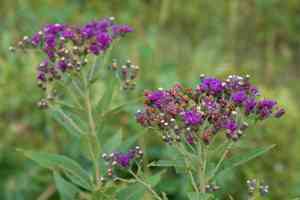
Baldwin's ironweed is a sturdy and appealing perennial distinguished by its vivid purple blooms. Commonly found in North American wilderness, this outdoor plant is recognized for its resilience and adaptability. Its capacity to attract butterflies and bees makes it a delightful addition to any garden. However, successful cultivation of Baldwin's ironweed necessitates comprehending its growth patterns and seasonal requirements, especially for winter preparation.
Preparing Baldwin's ironweed for Winter
Pruning and Cleanup
As autumn transitions into winter, it's crucial to prune Baldwin's ironweed. Begin by cutting back the stems to approximately 30 centimeters (12 inches) above the ground. This action helps the plant conserve energy and directs nutrients toward strengthening its root system, vital for surviving cold periods. Additionally, clearing away dead foliage and debris from the plant's base prevents pest infestations and fungal growth.
Mulching Techniques
Mulching is a vital step in safeguarding Baldwin's ironweed during winter. Apply a thick layer of organic mulch, such as straw, leaf mold, or wood chips, around the plant's base. Aim for a depth of about 7-10 centimeters (3-4 inches). This mulch acts as an insulating layer, maintaining soil moisture and preventing temperature fluctuations that could harm the roots.
Watering Guidelines
In preparation for winter, ensure Baldwin's ironweed is adequately watered. Water deeply once a week during dry autumn periods, providing about 2.5 centimeters (1 inch) of water. Proper hydration before the soil freezes helps the plant endure the dry winter months. However, avoid overwatering, as waterlogged soil can lead to root rot.
Common Challenges and Solutions
Pest Control During Winter
In winter, pest activity around Baldwin's ironweed decreases, but vigilance remains essential. Check for any hidden pests or eggs on the plant stems and beneath the mulching material. Early removal or treatment can prevent issues from escalating in the spring. Utilize organic insecticides or manual removal methods to manage pests without harming the environment.
Preventing Frost Damage
While Baldwin's ironweed is frost hardy, extreme cold can cause frost damage, particularly in newly planted specimens. To prevent this, consider using frost cloths or covers on especially cold nights. These materials provide an extra layer of protection by trapping ground heat, ensuring plant tissues do not freeze. Be sure to remove coverings during the day to allow air circulation and avoid excessive humidity buildup.



