How to Prune Baldwin's ironweed?
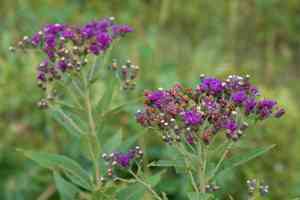
Originating from North America, baldwin's ironweed is a lofty perennial featuring violet blossoms that emerge in late summer. Trim baldwin's ironweed in early spring to foster a more compact habit. Removing spent flowers following the initial summer bloom can stimulate a subsequent flowering period. After the first frost, cut the plant back to soil level to ensure a neat look and inhibit self-propagation. Strategic trimming during these periods encourages robust development and improved floral display, while also assisting in managing the plant's dimensions and expansion.
What Are the Benefits of Pruning Baldwin's Ironweed?
What Are the Benefits of Pruning Baldwin's Ironweed?
Trimming baldwin's ironweed encourages robust development and helps preserve its desired form. This promotes denser foliage and can result in more abundant blooms, enhancing the plant's visual appeal.
What Is the Best Time for Pruning Baldwin's Ironweed?
What Is the Best Time for Pruning Baldwin's Ironweed?
Trimming baldwin's ironweed from late spring to early summer coincides with the end of its blooming period. This timing allows gardeners to remove spent flowers and shape the plant without affecting the following year's growth. Pruning in late spring ensures that any winter frost damage can be identified and cleared, while early summer pruning can revitalize the plant's structure, fostering healthy new growth. Additionally, this post-flowering period minimizes the loss of current year's blossoms, thereby supporting the plant's health and natural life cycle.
What Tools Do I Need to Prune Baldwin's Ironweed?
Bypass Pruners
Bypass pruners are crucial for making clean, precise cuts on baldwin's ironweed's stems. Ideal for cutting live wood and stems up to 3/4 inch in diameter, ensuring rapid healing to prevent disease.
Loppers
For thicker stems that bypass pruners cannot manage, loppers can cut through baldwin's ironweed's stems up to 1 1/2 inches in diameter, providing greater leverage and reach.
Pruning Saw
When dealing with baldwin's ironweed's mature and thick stems that exceed the capacity of loppers, a pruning saw will be necessary. It's perfect for branches over 1 1/2 inches in diameter.
Gardening Gloves
Gardening gloves will shield the gardener's hands from scratches and potential skin irritants while trimming baldwin's ironweed.
Pruning Shears
For fine-tuning and shaping baldwin's ironweed, pruning shears can be used to snip smaller stems and to deadhead old flower clusters.
How to Prune Baldwin's Ironweed
Deadheading
Identify spent blooms on baldwin's ironweed that have finished flowering. Using clean, sharp pruning shears, snip off the dead flowers at their base, just above the first set of healthy leaves.
Thinning
Examine baldwin's ironweed for any overcrowded or congested areas, which may reduce airflow and light penetration. Selectively prune a few stems in these areas to open up the plant and promote better air circulation.
Shape Maintenance
Shape baldwin's ironweed by trimming any irregular or overly long stems to maintain an attractive, natural form. Cut stems back to just above a leaf node or a branching point to encourage bushier growth.
Clean Up
Remove all pruned material from around the base of baldwin's ironweed to discourage pests and disease. Dispose of or compost the cuttings, ensuring they do not harbor any disease that could be reintroduced to the plant or garden.
Tool Care
Clean and disinfect pruning shears after use to prevent the spread of disease. Regularly sharpen the blades to ensure precise cuts on baldwin's ironweed, minimizing damage and stress to the plant.
Common Pruning Mistakes with Baldwin's Ironweed
Over-pruning
Removing too much growth at once can stress baldwin's ironweed and hinder its natural shape and robustness. A general rule is not to prune more than one-third of the plant at a time.
Improper cuts
Making jagged or torn cuts or cutting too far from the node can damage baldwin's ironweed and encourage disease. Always cut cleanly, close to, but not directly against, a node where new growth can emerge.
Pruning during growth periods
Cutting back baldwin's ironweed during active growth periods can limit its ability to flower. Though pruning season information is excluded, understanding the growth cycle of baldwin's ironweed is crucial when planning pruning sessions.
Neglecting tool maintenance
Using dull or dirty tools can introduce pests and diseases to baldwin's ironweed or make improper cuts. Keep pruning tools sharp and clean for precise cuts and a healthier plant.
Ignoring plant shape
Failing to consider the natural form of baldwin's ironweed can lead to an unsightly appearance. Prune with the plant's natural shape in mind to maintain an aesthetically pleasing habit.
Common Pruning Tips for Baldwin's Ironweed
Start with dead material
Begin by removing dead, diseased, or damaged stems from baldwin's ironweed to promote healthy growth and to prevent the spread of disease.
Thin for air circulation
Thin out dense areas to improve air circulation, which is vital for maintaining the health of baldwin's ironweed, reducing the risk of fungal infections.
Encourage new growth
By selectively pruning older, woody stems, gardeners can encourage baldwin's ironweed to produce fresh, more vigorous growth. This can also lead to more prolific blooming.
Consider plant architecture
Understand the branching pattern of baldwin's ironweed to make cuts that enhance the plant's natural architecture, improving its overall form and strength.
Incremental pruning
For both novice and experienced gardeners, it's essential to prune baldwin's ironweed incrementally. Assess the plant's response before making more cuts to avoid over-pruning and stress.



