How to Transplant Caesarweed?
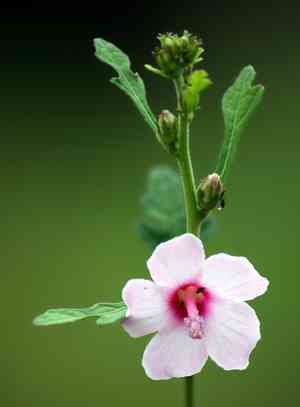
For caesarweed, the initial to middle spring period, when buds are forming, presents an ideal window for relocation, guaranteeing its smooth establishment in a fresh spot. Select a brightly lit site featuring soil that drains effectively to encourage robust development.
What Preparations are Needed Before Transplanting Caesarweed?
What is the Ideal Time for Transplanting Caesarweed?
The optimal period for relocating caesarweed is the start of the growing season, typically early to mid-spring. This timeframe allows caesarweed ample opportunity to develop robust roots before the intense summer heat or potential drought. Moving caesarweed during this revitalizing phase of nature promotes vigorous growth, as soil moisture and temperature are generally favorable for root development. A fellow gardener can confirm, choosing this timing will not only give your caesarweed a head start but also ensures a lush, healthy future.
How Much Space Should You Leave Between Caesarweed Plants?
When transplanting your caesarweed, provide each plant with sufficient room to expand! Spacing them approximately 2-3 feet (0.6-0.9 meters) apart should be perfect. This will guarantee they have adequate space for root spread and flourishing growth.
What is the Best Soil Mix for Caesarweed Transplanting?
Soil preparation for caesarweed is quite straightforward! A well-draining soil enriched with organic matter or compost works excellently. Before planting, apply a balanced base fertilizer to supply the nutrients that caesarweed requires to thrive.
Where Should You Relocate Your Caesarweed?
Now, let's consider the optimal spot for your caesarweed. They love sunlight and require at least 6 hours of sun daily. Locate an area in your garden that meets this requirement, ensuring it receives full or partial sunlight throughout the day.
What Equipments Should You Prepare Before Transplantation Caesarweed?
Trowel
This hand tool is utilized for digging small holes and shifting minor amounts of soil. It's perfect for transplanting a caesarweed plant.
Gardening Gloves
To safeguard your hands while working with the soil and plant material.
Pruners or Scissors
For trimming any dead or damaged roots and stems on the plant.
Watering Can or Hose
For hydrating the plant during and after its relocation.
Rooting Hormone
To encourage root development in the caesarweed plant, especially if it's being moved from a seedling tray.
Mulch
Helps maintain soil moisture and shields the caesarweed's roots from temperature fluctuations.
How Do You Remove Caesarweed from the Soil?
How Do You Remove Caesarweed from the Soil?
From Ground: If your caesarweed plant is currently in the ground, begin by watering the plant to moisten the soil. Then, using your trowel, dig a trench about half a foot deep around the plant. Be careful to keep the plant's root ball intact. Work the trowel beneath the root ball and lift the plant from the ground.From Pot: When extracting the plant from a pot, first water the soil. Then, turn the pot sideways and gently pull the caesarweed plant out by grasping the base of its stem. Avoid tugging on the plant's stems or leaves, as this can cause harm.From Seedling Tray: If you're transplanting a caesarweed plant from a seedling tray, water the tray generously first. Then, using a table fork or your fingers, carefully lift the seedlings by their leaves, ensuring each one has roots attached. Dip the roots in some rooting hormone to encourage proper growth.
Step-by-Step Guide for Transplanting Caesarweed
Plant Removal
Follow the instructions provided above to safely extract the plant from its original spot. Remember to handle the roots of caesarweed plant with care.
Hole Preparation
Dig a hole twice as wide and roughly the same depth as the plant’s root ball. This allows the roots ample space to spread and grow.
Plant Placement
Position the caesarweed plant in the hole, ensuring it’s not planted deeper than it was in its previous location. If the plant is too deep, it could rot; too shallow and the roots could dry out.
Backfilling
Fill in the hole with soil, gently firming it around the base of the plant to ensure stability. Avoid compacting the soil too tightly as this could hinder the roots from absorbing water and nutrients.
Watering
Water the plant thoroughly immediately after transplanting. This will help settle the soil and eliminate air pockets.
How Do You Care For Caesarweed After Transplanting?
Staking
If caesarweed plant appears unstable, you might need to stake it to keep it upright until it establishes its roots.
Trimming
Trim off any dead or damaged leaves after transplanting. This will help the plant direct its energy towards root development.
Monitoring
Keep a close watch on the caesarweed plant to observe its progress. If the leaves begin wilting or turning yellow, it may be experiencing transplant shock. Reducing sunlight exposure and ensuring the plant has sufficient water can often help.
Insect Protection
Employ non-chemical methods to safeguard your caesarweed from pests. This can include using insecticidal soap or introducing beneficial insects, such as ladybugs, that consume common pests.
Watering
For the initial few weeks after transplanting, maintain slightly moist but not waterlogged soil for caesarweed. Gradually decrease watering as the plant becomes established.
Troubleshooting Common Issues with Caesarweed Transplantation.
What is the optimal season for transplanting caesarweed?
The best time to transplant caesarweed is between early spring to early summer (S1-S2). This helps ensure successful establishment and growth.
What space should be maintained between caesarweed while transplanting?
Maintain a distance of about 2-3 feet (60-90 cm) between each caesarweed. This provides ample space for the plants to grow without competition.
How to prepare the soil for transplanting caesarweed?
Prepare a well-drained, fertile soil enriched with organic compost. Loosen the soil to about 6 inches (15 cm) deep. This promotes better root establishment of caesarweed.
How should I handle the roots of caesarweed during the transplant process?
Handle the roots gently to avoid any damage. Try to keep the root ball intact so they can properly establish in the new location.
Is it necessary to water caesarweed immediately after transplanting? If yes, how much?
Yes, water it immediately after transplanting. Soak the soil thoroughly but avoid waterlogging. Keep the soil moist (not wet) for the first few weeks.
Should I prune caesarweed before transplanting it?
No, it's not necessary. However, removing any damaged or diseased parts of the plant can improve its health and increase transplant success.
What's the proper depth to plant caesarweed?
The planting hole should be deep enough to accommodate the root ball of caesarweed. The crown (area where stem and root meet) should be level with or slightly above the ground.
How frequently should I water caesarweed after transplanting?
Water caesarweed thoroughly immediately after transplanting, thereafter, keep the soil slightly moist. Once established, normal rainfall should suffice, unless a dry period prevails.
What if the leaves of transplanted caesarweed start wilting?
Wilting can be a sign of water stress. Make sure caesarweed is getting enough water. If wilting persists, consider increased shade until the plant establishes.
Do I need to add any fertilizer at the time of transplanting caesarweed?
A slow-release, balanced fertilizer can be added during transplanting. It's advisable to follow the specific fertilizer's instructions for best results.



