How to Propagate Caesarweed?
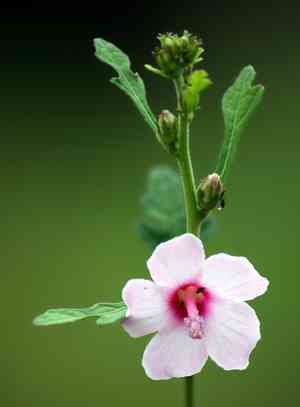
Originating from tropical zones, caesarweed is a blooming bush widespread across diverse environments. For this particular species, multiplication is best accomplished via cuttings. Select robust, semi-woody sections and embed them in a substrate that drains efficiently, making sure to keep it damp until roots emerge. It is crucial to prevent excessive density, as caesarweed exhibits swift development and can become intrusive if not controlled appropriately. Consistent observation and upkeep can encourage vigorous development in young specimens.
Optimal Time for Caesarweed Propagation
Method of Propagation
Cutting
Propagation Period
Autumn,Winter
Tools Required for Caesarweed Propagation
Sharp pruning shears or scissors
Crucial for achieving a clean incision on caesarweed stems or branches, which is vital for the cuttings' vitality and successful rooting. A sharp instrument prevents crushing or damage, promoting root development and reducing infection risk.
Rooting hormone
Stimulates root formation from the base of caesarweed cuttings. Dipping the freshly cut stem end into rooting hormone enhances the likelihood of successful root growth, providing a stronger foundation for the new plant.
Sterilized soil or propagating medium
Offers a clean, nutritionally balanced environment for caesarweed cuttings to establish and flourish. This medium should be free of pathogens and pests that could harm young plants during their critical early growth phases.
Plant pots or trays
Containers for holding the soil and caesarweed cuttings. Properly sized containers allow ample space for root expansion without overcrowding, which is essential for caesarweed's healthy development.
Misting bottle
Essential for maintaining sufficient humidity around caesarweed cuttings, helping to prevent dehydration before roots develop. Regular misting also mimics the moist conditions caesarweed may naturally prefer.
Post-Propagation Care for Caesarweed
Post-Propagation Care for Caesarweed
After propagation, caesarweed demands consistent attention to thrive. Plant them in a location with partial to full sunlight and well-draining soil. Water new plants regularly to keep the soil moist but not waterlogged. Apply a balanced fertilizer every 4-6 weeks during the growing season to support robust growth. Monitor for pests and diseases, treating them promptly to maintain plant health.
Common Errors to Avoid When Propagating Caesarweed
Overwatering
Excessive moisture can lead to root rot, fungal infections, and reduced oxygen, impeding caesarweed's root development and overall growth.
Ignoring soil quality
Using soil lacking proper drainage or the correct nutrient balance can severely impact caesarweed's ability to establish a strong root system and thrive after propagation.
Planting depth errors
Planting caesarweed cuttings or seeds too deep or too shallow may prevent the plant from reaching the surface or provide insufficient support, negatively affecting germination and root establishment.
Inadequate cutting size
Cuttings that are too small may lack sufficient stored energy to survive, while overly large ones might struggle with water uptake and resource scarcity before rooting.
Tips For Propagating Caesarweed
Rooting environment
Provide caesarweed with a well-aerated, moist, and warm rooting environment to encourage the formation of healthy roots without the risk of rot or disease.
Suitable soil medium
Use a loose, fertile soil with good drainage to facilitate caesarweed's root penetration and access to necessary nutrients for successful propagation.
Appropriate cutting size
Ensure cuttings of caesarweed are of optimal size, with several nodes that can be buried to form roots and enough foliage to sustain growth through photosynthesis.
Regular check-ups
Monitor caesarweed's propagation environment for signs of stress, disease, or pests, intervening promptly to correct any issues that might impede the propagation process.



