How Much Sunlight Do Caesarweed Need?
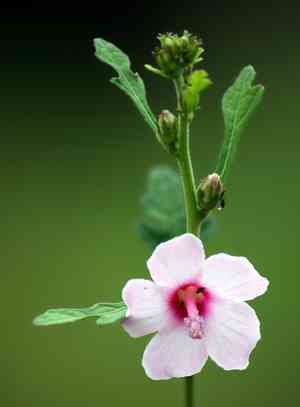
1
Caesarweed flourishes optimally with ample sunlight, requiring more than six hours of direct sun each day.
2
This plant endures partial sun conditions, though its bloom production might be less prolific.
3
Observe indicators such as leaf color changes to modify sun exposure as needed.
Grasping Caesarweed's Illumination Requirements
Native Environment and Light Exposure
In its natural setting, Caesarweed typically thrives in areas receiving abundant solar radiation. This resilient plant is frequently found in open fields, alongside roadways, and in other brightly lit locations. Its inherent preference strongly favors full sun, which facilitates the production of its charming pink blossoms and robust foliage.
Light Intensity for Peak Development
Peak development for Caesarweed is achieved with high-intensity solar exposure. This translates to approximately 6-8 hours of direct sunlight daily. In regions where sunlight is more diffused, Caesarweed may still grow, but anticipate slower development and less prolific flowering. Ensuring your plant receives adequate sunlight will enhance its health and vigor.
Seasonal Changes in Light Demands
It's crucial to adjust Caesarweed's light exposure according to seasonal shifts. During the active growth period, from late spring through summer, full sunlight is ideal. As autumn approaches and sunlight diminishes, maintaining at least partial sun can assist the plant in preparing for dormancy. Remember to observe the plant and modify as necessary to keep it flourishing throughout the year.
Indicators Caesarweed is Receiving Sufficient Light
Healthy Growth Markers
When Caesarweed obtains enough sunlight, it displays vigorous development. Look for sturdy, upright stems and a plentiful display of leaves. A healthy, well-lit plant will possess a lush and abundant appearance.
Optimal Leaf Hue and Dimensions
Caesarweed's leaves should exhibit a vibrant green, signaling robust chlorophyll production fueled by ample sunlight. Leaves will also be of an appropriate size, neither too small nor excessively large, reflecting balanced growth.
Blossoming Frequency and Quality
A well-sunned Caesarweed produces frequent and high-quality blooms. If your plant flowers often and the blossoms are vibrant and well-formed, it's a good sign that it's receiving the correct amount of sunlight. Flowers serve as an excellent visual cue that your plant is content with its light conditions.
Modifying Caesarweed's Light Exposure
Identifying Symptoms of Excessive Exposure
While Caesarweed thrives in the sun, too much direct sunlight can result in leaf scorch and wilting. If you observe brown or crispy edges on leaves, it might indicate overexposure. Providing a shade cloth or relocating the plant to a spot with dappled sunlight during the peak midday hours can help alleviate overexposure.
Managing Restricted Light Conditions
If you are cultivating Caesarweed in an area with limited sunlight, position it in the brightest available spot. Prune surrounding vegetation to allow more light to reach the plant. While it can endure partial sun, supplementing with reflective surfaces to direct light onto your plant can improve its health.
Utilizing Artificial Illumination Effectively
In indoor or low-light environments, artificial grow lights can be transformative for Caesarweed. Employ full-spectrum LED lights to emulate natural sunlight. Position the light source approximately 30 centimeters (12 inches) above the plant and operate the lights for about 6-8 hours daily to supplement natural light.
FAQ on Caesarweed Light Requirements
Can Caesarweed Flourish in Complete Shade?
While Caesarweed can survive in complete shade, it will not thrive. Full shade conditions will significantly reduce flowering and may hinder the plant's growth. For the healthiest plants, aim for at least partial sun exposure.
Which Light Type is Superior: Direct or Indirect?
Direct sunlight is optimal for Caesarweed. The intensity of direct light promotes strong growth and abundant flowering. If direct sunlight is not feasible, bright indirect light can suffice, though flowering and growth will be less vigorous.
How Many Hours of Daily Sunlight Does Caesarweed Require?
For optimal health and development, Caesarweed needs at least 6 hours of direct sunlight daily. However, it can tolerate more prolonged exposure provided measures are taken to mitigate overexposure, such as using shade cloths.



