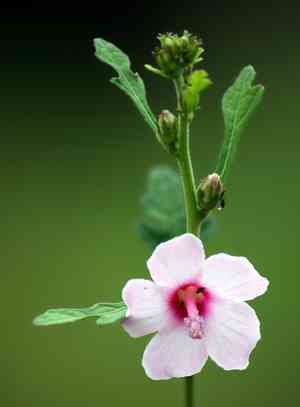
Caesarweed (Urena lobata)
Also known as: Congo Jute
Caesarweed, originally from tropical Asia and once valued as a crop, is now recognized as an invasive weed. While it has some benefits, like reducing soil erosion, its negative impacts are significant. In agricultural fields, caesarweed can dominate and hinder crop growth, thereby lowering yields. It is particularly problematic in pastures, as livestock avoid eating it, reducing the quality of forage available. In native ecosystems, caesarweed can outcompete and displace indigenous species, leading to a loss of biodiversity. Additionally, its seeds can easily spread by attaching to vehicles, making containment and control challenging.
In This Article
Attributes of Caesarweed
Lifespan
Perennial
Plant Type
Shrub
Plant Height
61 cm to 2.5 m
Spread
Approximately 1.5 meters (5 feet)
Leaf Color
Green Blue Orange
Flower Size
2.5 cm
Flower Color
Pink
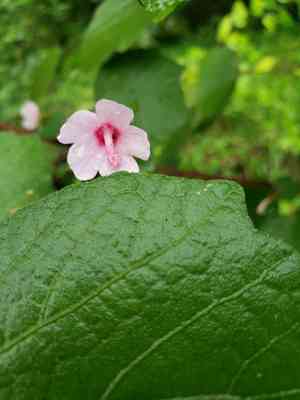
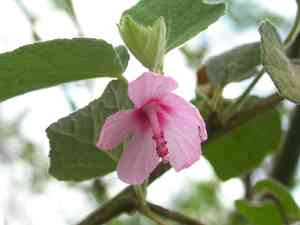
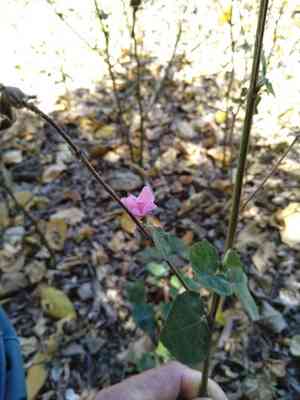
Images of Caesarweed
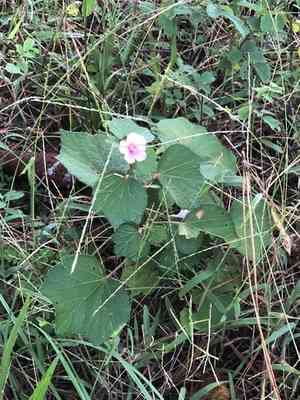
Quickly Identify Caesarweed
1
Look for a shrubby plant with lobed leaves, pink or purple hibiscus-like flowers, and distinctive sticky seed pods that easily cling to clothing or fur.
Scientific Classification of Caesarweed
Phylum
Vascular plants
Class
Dicotyledons
Order
Mallows, rock-roses, and allies
Family
Mallow
Genus
Urena
Species
Caesarweed
Planting and Growing of Caesarweed
Care Difficulty
Hard
Watering Schedule
Every 2 days
Sunlight Requirements
Partial sun
Sunshine Duration
4-8 hours
Ideal Temperature
75-85℉
Soil Type
Potting Mix, Peat Mix
Soil pH
6.5-7.5
Fertilizer Type
Balanced
Pruning Season
Spring, Summer
Pruning Area
Branches, Leaves
Pruning Frequency
2 times a year
Repotting Season
Spring
Pot Type
Terracotta, Plastic
 How to Water Caesarweed?
Urena lobata prefers consistent moisture, but overwatering should be avoided. This shrub benefits from about 500 ml of water each session, ensuring the top soil is moist but not waterlogged. Water slowly to allow the soil to absorb moisture gradually without pooling.
What are the symptoms of an underwatered Caesarweed?
›
What should I do if my Caesarweed is not getting enough water?
›
What are the symptoms of an overwatered Caesarweed?
›
How to save an overwatered Caesarweed?
›
 What Are the Sunlight Requirements for Caesarweed?
Urena lobata's ideal lighting is partial sun, which allows for healthy growth and vibrant foliage. This balance aids in optimal photosynthesis and minimizes stress.
More About Sunlight Requirements Techniques→
What is the ideal light condition for Urena lobata?
›
How can you achieve ideal lighting for Urena lobata?
›
What are the benefits of ideal lighting for Urena lobata?
›
 What Is the Ideal Temperature Range for Caesarweed?
Urena lobata thrives within a temperature range of 75°F to 85°F, offering optimal growth conditions. The warmth in this range supports critical physiological processes such as photosynthesis and nutrient uptake, leading to robust growth and flowering.
 What Soil is Best for Caesarweed?
Urena lobata thrives in well-draining soil. This is crucial as it prevents root rot and allows the roots to access the right amount of moisture and air. Proper drainage keeps the plant healthy and flourishing. The plant benefits from soil rich in organic matter. Such soils provide essential nutrients that support robust growth and lush foliage, making the plant more resilient to pests and diseases. While Urena lobata appreciates fertile soil, overly rich soil can lead to excessive leaf growth and fewer flowers. Balancing soil fertility ensures optimal flowering and plant vitality.
 How to Fertilize Caesarweed?
For Urena lobata, it is recommended to use a balanced fertilizer at a rate of 1/2 teaspoon per gallon of water for liquid applications. When applying slow-release fertilizers, use about 1/4 cup per plant. This ensures the plant receives adequate nutrients without the risk of over-fertilization.
 How to Prune Caesarweed?
Start by removing any visibly dead or damaged wood. This not only enhances the plant’s appearance but also allows healthier parts to thrive without competing for nutrients. Prune to maintain a rounded or bushy shape. Cut back long, stray shoots to encourage more compact growth. The goal is to maintain a uniform structure that supports maximum sunlight exposure. Remove smaller shoots from the interior of the plant to increase air circulation. This practice helps prevent fungal diseases by reducing humidity around the plant’s core.
 How to Propagate Caesarweed plant?
1
Harvest seeds from mature Urena lobata fruits when they have dried on the plant. Keep the seeds in a cool, dry place until ready for sowing.
2
Use a well-draining soil mix. A combination of peat, perlite, and sand works well to ensure proper moisture retention and aeration.
3
Sow seeds about 0.5 cm deep in the potting mix. Maintain consistent moisture and temperature around 20-25°C for optimal germination.
 How to Repot Caesarweed plant?
1
Urena lobata should be repotted when roots begin to crowd the pot or grow out of the drainage holes. This species is adaptable, but prefers room for root expansion, which supports healthy growth and flowering.
2
Choose a pot slightly larger than the current one, with drainage holes. A ceramic or terracotta pot helps retain moisture without waterlogging, promoting aeration and preventing root rot for Urena lobata.
3
Select a well-draining loamy mix with organic matter. This ensures the roots of Urena lobata receive plenty of air and nutrients, which is crucial for preventing water retention issues and fostering robust growth.
Learn More About Caesarweed Diseases
Anthracnose
Bacterial Leaf Spot
Bacterial Wilt
Chemical Injury
Damping-off
Downy Mildew
Drought Stress
Fusarium Wilt
Gray Mold
Leaf Curl
Leaf Spot
Mosaic
Nutrient Deficiency
Nutrient Toxicity
Powdery Mildew
Root Rot
Root-knot Nematode
Rusts
Sooty Mold
Spider Mites
Temperature Stress
Thrips Damage
White Mold



