How to Transplant Japanese elm?
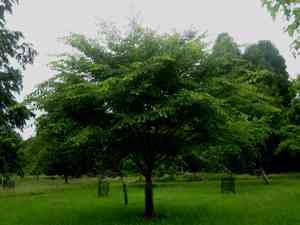
For Japanese elm, relocating it is most successful from the onset of post-spring warmth through early summer, or as the autumn coolness diminishes into early winter. Cultivate in soil that drains effectively, providing exposure to partial sunlight or full illumination. Careful management of the root system guarantees a smooth establishment.
What Preparations are Needed Before Transplanting Japanese Elm?
What is the Ideal Time for Transplanting Japanese Elm?
The prime period for relocating japanese elm spans from the revitalizing phase of late spring into early summer, or as the year concludes from late autumn to the brink of winter. This timing leverages japanese elm's natural growth cycle, promoting root development in mild soil conditions, complemented by gentler weather, thereby enhancing the plant's resilience and vitality. Embracing this transplanting window can ensure a smooth transition for japanese elm, boosting its chances of thriving in its new spot.
How Much Space Should You Leave Between Japanese Elm Plants?
Hello there! Before your japanese elm settles into its new spot, you'll want to grant it ample personal room. Aim to space each one approximately 30-50 feet apart (9-15 meters). This ensures they have sufficient area to develop robustly without becoming overly crowded.
What is the Best Soil Mix for Japanese Elm Transplanting?
For your japanese elm, you'll want to prepare the soil as if you're crafting a gourmet dish! Opt for well-draining soil that's rich in organic material. A foundational fertilizer with a balanced nutrient profile, such as a 10-10-10 blend, applied according to product guidelines, will provide japanese elm with a favorable beginning.
Where Should You Relocate Your Japanese Elm?
Sunlight is like a cherished companion for japanese elm! Locate a position where your plant can luxuriate in full sun to partial shade for peak development. This means a site that receives direct sunlight for at least 6 hours daily. Japanese elm adores absorbing that vital energy!
What Equipments Should You Prepare Before Transplantation Japanese Elm?
Gardening Gloves
To safeguard your hands while handling soil and the plant.
Spade or Shovel
For excavating and lifting the japanese elm.
Hand Trowel
Useful for more precise tasks on smaller roots and in confined areas.
Pruning Shears
To trim any lifeless or damaged roots and branches.
Wheelbarrow or Garden Cart
To move the japanese elm from its original spot to the new planting location.
Watering Can or Hose
To hydrate the japanese elm before and after its relocation.
Stakes and Ties
If japanese elm is a larger specimen, to offer support until its roots are established.
How Do You Remove Japanese Elm from the Soil?
How Do You Remove Japanese Elm from the Soil?
From Ground: First, hydrate the japanese elm plant to moisten the soil. Next, excavate a broad trench around the plant using a shovel or spade, ensuring the plant's root ball remains intact. Gently maneuver the spade beneath the root ball to carefully lift the japanese elm from its initial position.From Pot: Water the japanese elm, then tilt the pot onto its side and gently tap the edges and base to loosen the soil. Slowly ease the japanese elm out by the stem's base, using a hand trowel if necessary to aid in removal without causing harm.From Seedling Tray: Dampen the soil and use a hand trowel or planting dibber to carefully extract the japanese elm seedling from its cell, making sure to preserve as much of the root system and soil as possible.
Step-by-Step Guide for Transplanting Japanese Elm
Digging the Hole
Excavate a hole at the transplant site that is twice the width of the root ball and of equal depth to encourage root expansion.
Placement
Carefully position the japanese elm in the center of the hole, ensuring the top of the root ball is level with the surrounding ground.
Backfilling
Refill the hole with the removed soil, gently firming it around the root ball, without excessive compaction, to eliminate air pockets.
Watering
After backfilling, thoroughly water the japanese elm to settle the soil and provide moisture that will encourage roots to grow into their new surroundings.
Staking
If needed, insert stakes at a 45-degree angle away from the japanese elm and gently secure the japanese elm to the stakes for additional stability.
Mulching
Apply a layer of mulch around the base of the japanese elm to help retain moisture and reduce weed competition, being careful not to pile mulch against the stem.
How Do You Care For Japanese Elm After Transplanting?
Monitoring
Regularly check on the japanese elm to ensure it is adapting well to its new environment.
Watering
Maintain consistent soil moisture, especially during the initial growing season post-transplant, to aid japanese elm's establishment.
Support
Keep any support stakes in place for at least the first year until the japanese elm has developed a more robust root system.
Pruning
Only prune broken or dead branches to direct japanese elm's energy towards root development and new growth.
Protection
Shield the japanese elm from strong winds or potential threats like animal damage until it becomes more resilient.
Troubleshooting Common Issues with Japanese Elm Transplantation.
What's the best time to transplant japanese elm?
Relocate japanese elm in late spring-early summer or fall-early winter to optimize root establishment.
How far apart should I space japanese elm when transplanting?
Place japanese elm at intervals of 30-50 feet (9-15 meters) to ensure adequate room for growth.
Why is my japanese elm wilting after transplanting?
Wilting may occur due to transplant shock. Ensure proper hydration, avoid direct intense sun initially, and stabilize soil temperature.
How deep should the hole be for transplanting japanese elm?
Excavate a hole twice as wide as the root ball and the same depth to encourage root spread.
Can I transplant japanese elm in the summer's peak?
It's advisable to avoid the hottest part of summer. Aim for cooler transplanting periods to minimize stress on japanese elm.
What sign indicates japanese elm is ready for transplant?
Japanese elm is prepared when it's dormant or before new growth begins. Look for slowed growth or dormancy indicators.
How much should I water japanese elm after transplanting?
Water thoroughly after transplanting, then consistently to keep soil moist, but not saturated, during the first growing season.
Should I fertilize japanese elm immediately after transplanting?
Delay fertilization; allow japanese elm to recover from transplant stress and establish roots in its new location first.
How to protect japanese elm transplant from frost damage?
Mulch the base of japanese elm to insulate roots from frost, and avoid late fall transplanting in very cold regions.
Can I trim japanese elm when transplanting?
Light pruning of dead or damaged branches is acceptable, but refrain from heavy pruning until after japanese elm has re-established.



