Enhancing Your Garden Design with the Japanese elm Plant: A Landscaping Guide
1
Introducing Japanese elm can greatly enhance the variety of life in your garden.
2
Japanese elm aids in purifying the air and offers essential shade.
3
Thoughtful positioning of Japanese elm can maximize your garden's aesthetic appeal.
Introducing Japanese Elm to Your Landscape
Understanding the distinct features of Japanese elm
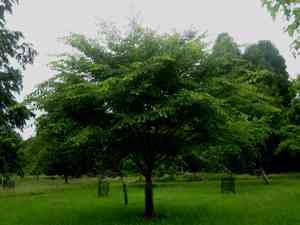
Incorporating Japanese elm into your garden introduces a unique element that distinguishes your landscape. Renowned for its lustrous foliage and elegant shape, Japanese elm offers a calming green hue that creates a stunning backdrop in any garden design. Its distinctive bark texture, combined with the shade it provides, makes it not only visually appealing but also an excellent choice for adding depth and dimension to your garden.
The aesthetic appeal of Japanese elm in various garden styles
From contemporary minimalist gardens to lush, complex landscapes, Japanese elm integrates seamlessly into diverse design themes. Its tall and sturdy form can act as a central feature in open areas or contribute to a layered appearance in mixed plant beds. Whether you're aiming for a tranquil zen garden or a vibrant, flourishing floral display, Japanese elm enhances the overall beauty and visual harmony.
Advantages of Integrating Japanese Elm into Your Garden
Boosting biodiversity with Japanese elm
Adding Japanese elm to your garden encourages ecological diversity. It attracts various birds, insects, and other wildlife, fostering a more dynamic and thriving ecosystem. This plant can be a vital component in supporting local fauna and maintaining natural balance within your garden environment.
Japanese elm's contribution to ecological equilibrium
Japanese elm functions as a keystone species, playing a crucial role in the health of your garden's ecosystem. It supports soil vitality, promotes beneficial microbial activity, and enhances the overall resilience of your garden. By including Japanese elm, you are cultivating a sustainable and self-regulating natural area within your landscape.
How Japanese elm can improve air quality and offer shade
Beyond its visual charm, Japanese elm also provides significant environmental benefits. Its substantial canopy offers cool shade during warm months, making outdoor spaces more comfortable. Furthermore, Japanese elm contributes to cleaner air by filtering pollutants and releasing oxygen, thereby enhancing the overall air quality in your garden.
Designing with Japanese Elm: Strategic Placement and Pairings
Optimal locations for planting Japanese elm in your yard
When deciding where to plant Japanese elm in your yard, consider its mature size and growth habit. It thrives in well-drained soil with ample sunlight but can also tolerate partial shade. Positioning Japanese elm along property boundaries can create natural screens or borders, while central placement can serve as an impressive focal point. Ensure sufficient space for its roots to spread and branches to grow without obstruction.
Companion plants that flourish alongside Japanese elm
Selecting appropriate companion plants can enhance the beauty and health of Japanese elm. Consider planting complementary shrubs and ground covers that can thrive in its shade, such as hostas or ferns. Flowering plants like azaleas and rhododendrons can add splashes of color beneath Japanese elm's canopy. By combining different textures and colors, you can create a visually appealing and resilient garden ecosystem.
Long-term Impact and Sustainability of Japanese Elm
Durability and longevity of Japanese elm in diverse climates
Japanese elm is known for its resilience and adaptability to various climates, making it a dependable choice for long-term landscaping projects. Its deep root system and robust structure help it withstand adverse weather conditions, ensuring it remains a steadfast feature in your garden for many years.
Sustainability aspects linked to using Japanese elm in landscaping
Choosing Japanese elm is a step towards more sustainable gardening practices. It requires minimal upkeep and care once established, reducing the need for excessive water, fertilizers, and pesticides. Additionally, Japanese elm's presence supports local ecosystems and promotes biodiversity, making your garden not just beautiful but environmentally responsible.



