How to Prune Japanese elm?
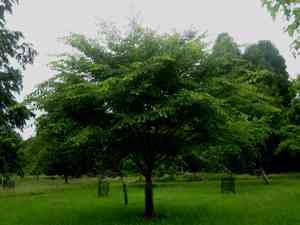
A deciduous tree recognized for its immunity to Dutch elm disease, japanese elm exhibits gracefully arching limbs and a spherical crown. Trimming should focus on eliminating deceased, ailing, or intersecting branches to preserve its well-being and framework. The most suitable time for pruning japanese elm is from late winter to early spring, prior to foliage emergence, to facilitate wound recovery and bypass peak disease prevalence. Regular thinning of the crown can boost light infiltration and air circulation, which are vital for japanese elm's vitality and visual appeal.
What Are the Benefits of Pruning Japanese Elm?
What Are the Benefits of Pruning Japanese Elm?
Trimming japanese elm promotes vigorous development and maintains its desired shape. Strategic cuts enhance light penetration and air circulation, fostering a robust, healthy structure and deterring pests. Regular pruning ensures japanese elm remains visually appealing and a manageable size for garden areas.
What Is the Best Time for Pruning Japanese Elm?
What Is the Best Time for Pruning Japanese Elm?
Pruning japanese elm during late winter to early spring aligns with its dormant phase, when growth has mostly ceased and before new buds emerge. This timing helps prevent sap bleeding, which can be more common in japanese elm if pruned in late spring or summer during active growth. Additionally, the absence of leaves during dormancy offers better visibility of the tree's structure for selective branch removal. Pruning at this time also allows wounds to heal before the growing season begins, reducing infection risk. It avoids cutting new growth and ensures the tree's energy focuses on healing and the upcoming season's development. Furthermore, avoid fall pruning as it can stimulate new growth that may not harden before winter, making japanese elm vulnerable to cold damage.
What Tools Do I Need to Prune Japanese Elm?
Bypass Pruners
Perfect for smaller branches of japanese elm, enabling clean cuts that encourage rapid recovery.
Loppers
Effective for reaching into japanese elm's canopy and cutting medium-sized branches with greater leverage.
Pruning Saw
Essential for larger branches of japanese elm, providing the ability to cut through thick wood cleanly.
Pole Pruner
Useful for higher branches of japanese elm that are out of reach, allowing for pruning without the need for ladders.
Hedge Shears
Suitable for shaping the outer foliage of japanese elm, especially when aiming for a formal look or hedge.
How to Prune Japanese Elm
Clean Tools
Sanitize all pruning tools using a solution of one part bleach to nine parts water to prevent disease spread while trimming japanese elm.
Inspect Tree
Examine japanese elm for dead or diseased branches, identifiable by lack of leaves, dry or brittle texture, or visible signs of fungal infection or pest damage.
Cut Diseased
Using clean, sharp tools, make precise cuts to remove diseased branches. Cut at the branch collar at a slight angle, ensuring not to harm the collar itself, to promote proper healing in japanese elm.
Remove Dead
Trim dead branches at their origin point or back to a healthy lateral branch. Ensure cuts are made just outside the branch bark ridge and collar, avoiding stubs that can impede the healing process for japanese elm.
Dispose Waste
Discard all removed diseased and dead material away from healthy plantings to minimize the risk of disease spread to japanese elm or other plants.
Common Pruning Mistakes with Japanese Elm
Improper Cut Placement
Cutting too close to the trunk can damage the collar, the area where branch and trunk tissue meet, hindering japanese elm's healing process.
Over-Pruning
Removing too much foliage at once can stress japanese elm and impede its growth and health, as it requires sufficient leaf surface for proper photosynthesis.
Thinning Too Much
Excessive thinning can lead to sunburned bark, as japanese elm's branches are accustomed to being protected by a dense canopy.
Topping
Cutting the main branches back to stubs is detrimental for japanese elm, as it can result in weak new growth and increased vulnerability to pests and diseases.
Using Dull Tools
Pruning with dull tools creates jagged cuts that are difficult for japanese elm to heal, inviting pests and diseases.
Common Pruning Tips for Japanese Elm
Proper Cut Placement
Make cuts just beyond the branch collar to promote efficient healing, avoiding flush cuts against the trunk.
Moderation In Pruning
Never remove more than 25% of japanese elm's canopy in one season to avoid overstressing the plant.
Selective Thinning
Thin out branches selectively to maintain japanese elm's natural shape and ensure enough foliage remains for adequate shading and photosynthesis.
Maintain Structure
Aim to create a strong tree structure by removing crossing or rubbing branches and keeping the strongest, best-positioned limbs.
Sharp Tools
Ensure pruning tools are sharp and clean to make precise cuts and reduce the chances of introducing diseases to japanese elm.



