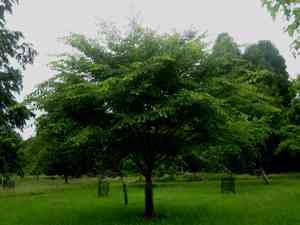
Japanese elm (Ulmus davidiana)
Also known as: David Elm, Japanese Elm
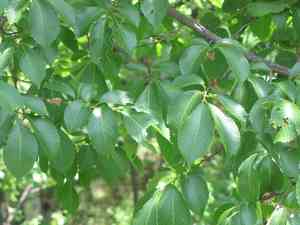
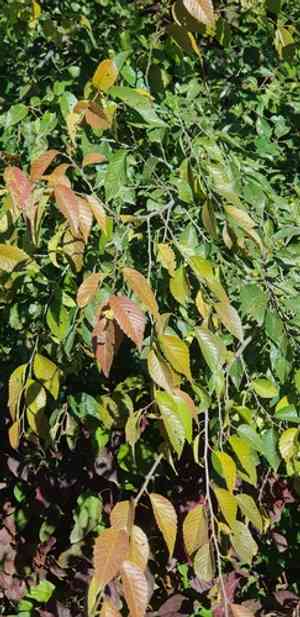
The tree can reach a height of up to 15 meters and typically has a slender trunk with a diameter of less than 30 cm. Its leaves are obovate to obovate-elliptic, measuring less than 10 cm in length and 5 cm in width, with a rough texture on the upper side, often appearing dark red when they first emerge. The tree produces wind-pollinated, apetalous flowers on shoots from the previous year during spring, which are followed by obovate samaras that are less than 1.9 cm long and 1.3 cm wide.
In This Article
Attributes of Japanese elm
Lifespan
Perennial
Plant Type
Tree, Shrub
Plant Height
15 m
Spread
10-15 meters
Leaf Color
Dark green
Flower Size
1.4 cm
Flower Color
Greenish
Images of Japanese elm
Quickly Identify Japanese elm
1
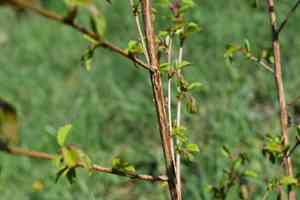
Ulmus davidiana can be recognized by its oblong to ovate leaves with serrated edges, creating a distinct lace-like pattern. The bark is grey-brown, rough, and furrowed, often with diamond-shaped ridges. In spring, small greenish flowers appear before the leaves.
Scientific Classification of Japanese elm
Phylum
Vascular plants
Class
Dicotyledons
Order
Rosales
Family
Elm
Genus
Elms
Species
Japanese elm
Planting and Growing of Japanese elm
Care Difficulty
Moderate
Watering Schedule
Every 2 days
Sunlight Requirements
Full sun
Sunshine Duration
4-10 hours
Ideal Temperature
60-75℉
Soil Type
Potting Mix, Peat Mix
Soil pH
6.5-7.5
Fertilizer Type
Balanced
Pruning Season
Spring, Summer
Pruning Area
Branches, Leaves
Pruning Frequency
Once a year
Repotting Season
Spring
Pot Type
Plastic, Terracotta
 How to Water Japanese elm?
For Ulmus davidiana, ensure the soil receives about 500 ml of water each session. The key is to moisturize the soil subtly, neither saturating it nor leaving it parched. Water until the soil feels evenly moist but not soggy.
What are the symptoms of an underwatered Japanese elm?
›
What should I do if my Japanese elm is not getting enough water?
›
What are the symptoms of an overwatered Japanese elm?
›
How to save an overwatered Japanese elm?
›
 What Are the Sunlight Requirements for Japanese elm?
Ulmus davidiana excels in full to partial sun, which promotes strong growth and a lush canopy. Adequate light ensures effective photosynthesis and resilience against environmental stresses.
What is the ideal sunlight exposure for Ulmus davidiana?
›
How to achieve ideal light exposure for Ulmus davidiana?
›
What benefits does ideal light offer to Ulmus davidiana?
›
 What Is the Ideal Temperature Range for Japanese elm?
Ulmus davidiana thrives best in temperatures ranging from 60°F to 75°F. This range supports optimal growth and health, ensuring that the plant performs photosynthesis efficiently and maintains a robust structure.
 What Soil is Best for Japanese elm?
Ulmus davidiana requires well-drained soil to thrive because it prevents waterlogging and root rot, ensuring consistent access to nutrients and oxygen for healthy growth. The tree benefits greatly from nutrient-rich soil, which supports its rapid growth and vibrant foliage by providing essential minerals and organic matter. Maintaining moderate moisture levels in the soil is crucial to keep the tree hydrated while avoiding excessive dampness that could lead to fungal issues.
 How to Fertilize Japanese elm?
For Ulmus davidiana, the fertilizer amount depends on the tree's age and size. Young trees may require up to 0.5 kg of fertilizer per application, while mature trees might need up to 1 kg. This helps ensure the tree receives an adequate supply of nutrients necessary for robust growth. Equally distributing the fertilizer around the root zone allows the nutrients to reach the plant effectively.
 How to Prune Japanese elm?
Begin by cutting away dead, broken, or diseased branches. These are usually the first to go as they can affect the tree’s health. Focus on shaping the canopy to ensure light and air can penetrate the leaves. A balanced structure will help prevent future breakage. Preserve a single leader branch to maintain the hierarchy of growth, supporting a strong and dominant structure. Eliminate branches that cross or rub against each other, as this can cause wounds and lead to disease.
More About Pruning Techniques→
 How to Propagate Japanese elm plant?
1
Choose healthy branches and cut segments about 6-8 inches long. Ensure each segment has at least two leaf nodes, as these are crucial for rooting.
2
Dip the cut end of each cutting into a rooting hormone. This will encourage root growth and enhance the likelihood of successful propagation.
3
Insert the treated end of the cuttings into a well-draining potting mix, ensuring that at least one node is below the soil surface. Firm the soil gently around the cutting to secure it in place.
 How to Repot Japanese elm plant?
1
Repot Ulmus davidiana when its roots become crowded or start circling. You'll notice this by roots emerging from drainage holes or a visible lack of soil at the top. Early signs of yellowing leaves can also indicate it's time for a new pot.
2
Select a pot slightly larger than the current one to provide room for growth. Ensure it has sufficient drainage holes to prevent waterlogging, which can lead to root rot. A terracotta pot helps to wick moisture away, keeping the roots healthy.
3
Opt for a well-draining loamy soil mix with good nutrient-holding capacity. This type of soil retains adequate moisture while preventing soggy conditions. Adding organic matter enhances its texture and provides necessary nutrients for robust plant health.
Learn More About Japanese elm Diseases
Anthracnose
Bacterial Leaf Spot
Crown Gall
Damping-off
Downy Mildew
Drought Stress
Fusarium Wilt
Gray Mold
Leaf Curl
Leaf Spot
Mosaic
Nutrient Deficiency
Nutrient Toxicity
Powdery Mildew
Root Rot
Root-knot Nematode
Rusts
Sooty Mold
Spider Mites
Temperature Stress
Thrips Damage
White Mold
Chemical Injury



