How to Transplant Cedar elm?
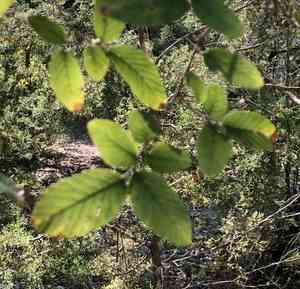
The most favorable period for relocating cedar elm is from late winter through early spring, while the plant remains inactive. Select a bright area featuring soil that drains effectively. Gradually introduce cedar elm to its new environment to enhance its chances of thriving.
What Preparations are Needed Before Transplanting Cedar Elm?
What is the Ideal Time for Transplanting Cedar Elm?
The optimal period for moving cedar elm is during the revitalizing phase of early to mid-spring. In these months, mild temperatures and increasing daylight hours promote excellent root development. Relocating cedar elm at this time boosts its chances for survival and vigor, as it can adjust before the intensity of summer heat. Undertaking this gardening task at the suggested time ensures cedar elm flourishes, firmly establishing itself in its new spot while benefiting from spring's nurturing environment.
How Much Space Should You Leave Between Cedar Elm Plants?
To allow cedar elm ample room to grow, aim for a separation of approximately 20-30 feet (6-9 meters) when replanting. Your future cedar elm will appreciate the space to extend its branches!
What is the Best Soil Mix for Cedar Elm Transplanting?
Cedar elm thrives in soil that drains well, so consider a sandy or loamy blend. Remember to enrich your soil with a foundational fertilizer to give cedar elm a nutrient-rich start in its new home!
Where Should You Relocate Your Cedar Elm?
Cedar elm loves a sunny location! Aim for a spot with full sun or partial shade. Cedar elm is adaptable and can adjust to varying light levels, making your garden the perfect new home.
What Equipments Should You Prepare Before Transplantation Cedar Elm?
Gardening Gloves
To safeguard your hands while working with soil and the cedar elm plant.
Shovels and Spades
To excavate the plant from its original site without harming the root system and to prepare the new planting hole.
Pruning Shears
To trim any dead or diseased branches from the cedar elm plant before transplanting.
Tarp
To move the cedar elm plant and its root ball without causing damage or drying out the roots.
Watering Can
To hydrate the plant after moving it to its new location.
Wheelbarrow
To effortlessly transport the cedar elm plant if you are relocating it to a distant area.
Mulch
To retain soil moisture and stabilize temperature after transplanting cedar elm
How Do You Remove Cedar Elm from the Soil?
How Do You Remove Cedar Elm from the Soil?
From Ground: Water the cedar elm plant sufficiently to moisten the soil. This will facilitate the digging process and prevent root damage. Using a shovel, dig a wide trench around the root ball to ensure most roots remain intact. Be gentle as you work your spade beneath the root system to lift the plant from its original spot.From Pot: If the cedar elm is in a pot, water it a day before the transplant date. Turn the pot sideways, hold the plant by its base, and tap the bottom of the container until the plant slides out. Avoid pulling the plant forcefully, as this could harm the roots.From Seedling Tray: If cedar elm is a seedling, water the tray, then gently push the seedling from the bottom. Hold the seedling by its leaves, not the stem, to prevent damage. It's ready for transplanting into a larger pot or the ground.
Step-by-Step Guide for Transplanting Cedar Elm
Plant Preparation
Remove any dead or diseased branches using pruning shears. This directs the cedar elm's energy towards root establishment once relocated.
Hole Preparation
Excavate a hole in the new spot that is twice the width of the root ball and of equal depth. Keep the soil removed from the hole readily accessible.
Placing the Plant
Carefully position the cedar elm into the hole, ensuring the top of the root ball is level with the surrounding ground.
Backfilling
Refill the hole halfway with the excavated soil, then water thoroughly. After the water has drained, complete backfilling the hole. Firm the soil around the base of the cedar elm plant.
Final Watering
Water the cedar elm plant generously to settle the soil and eliminate any air pockets.
Mulching
Apply a 2-3 inch layer of mulch around the tree's base, keeping it away from the trunk. This will help conserve moisture and regulate soil temperature
How Do You Care For Cedar Elm After Transplanting?
Watering
After relocating, it's crucial to water your cedar elm plant thoroughly and then consistently. Watering frequency largely depends on your region's conditions, but a good guideline, especially in the initial weeks, is to water when the top 1-2 inches of soil feels dry.
Pruning
A light trim will encourage new growth. In the first year post-planting, simply prune back any broken or damaged branches. Avoid extensive pruning until the second year.
Monitoring
Regularly inspect your cedar elm plant after transplanting. Look for signs of stress like wilting or discolored leaves, and address any pests or diseases promptly. With proper care and observation, your relocated cedar elm should flourish in its new environment!
Troubleshooting Common Issues with Cedar Elm Transplantation.
What's the best time of year to transplant cedar elm?
Relocating cedar elm is best done at the start and end of cedar elm's growing seasons S1 and S2.
How should I space cedar elm when transplanting?
When moving cedar elm, ensure you maintain a distance of 20-30 feet (6-9 meters) between each plant.
What type of soil is best for transplanting cedar elm?
Cedar elm prefers well-drained soil rich in organic matter, but it adapts to most soil types.
How deep should the hole be when transplanting cedar elm?
Dig a hole deep enough to accommodate the root ball of cedar elm, or about twice its size.
What should I do if the leaves of cedar elm start wilting after transplanting?
Wilting indicates stress. If cedar elm's leaves wilt after transplanting, it might need more water or shade.
How much water should cedar elm get after transplanting?
After transplanting, cedar elm requires frequent watering until established. Afterward, water based on local rainfall and soil type.
Should I stake cedar elm after transplanting?
It's not always necessary. However, if cedar elm is tall or in a windy area, staking can offer support.
What should I do if cedar elm shows no growth after transplanting?
Patience is key. If cedar elm shows no growth after several weeks, consider its light, water, and nutrient requirements.
Do I need to prune cedar elm after transplanting?
Light pruning of cedar elm can help reduce stress on the plant. Only remove dead or damaged branches.
How do I prevent transplant shock in cedar elm?
Prevent transplant shock in cedar elm by planting in suitable conditions, providing adequate water, and avoiding unnecessary pruning.



