How to Propagate Cedar elm?
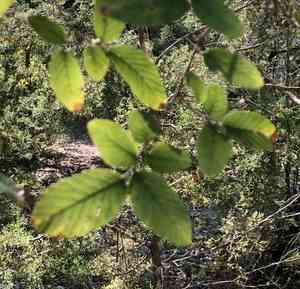
Cedar elm reproduces effectively via dormant wood cuttings, air layering, and seed dispersal. Fall and Winter represent the prime periods for initiating propagation. These propagation techniques are straightforward to execute, and indicators of successful establishment include the development of fresh sprouts and root systems. To achieve successful propagation, it is crucial to verify that the cuttings appear robust and originate from well-established specimens.
Optimal Period for Cedar Elm Propagation
Propagation Method
Cutting
Propagation Season
Autumn,Winter
Tools for Cedar Elm Propagation
Sharp pruning shears
These are crucial for taking cuttings from cedar elm. Their keen blades ensure clean, precise cuts, minimizing harm to the parent plant and boosting the likelihood of the cutting rooting successfully. It's vital that the shears are cleaned and sterilized before use to prevent disease spread.
Rooting hormone
This stimulates root development on cuttings from cedar elm. Applying rooting hormone to the cut end can significantly enhance the chances of successful rooting, especially since cedar elm may have a harder wood that can be more challenging to root.
Propagation tray
This is used to hold cedar elm cuttings in a controlled setting. A tray with a clear dome lid can maintain humidity, which is essential for cuttings to prevent them from drying out before they can establish roots.
Sterile potting mix
A well-draining, sterile medium is crucial for the rooting of cedar elm cuttings. This lowers the risk of fungal or bacterial growth that could harm the cuttings before they take root. The mix should retain some moisture but allow excess water to drain to avoid rot.
Heating mat
It provides bottom warmth to the propagation tray, which can encourage root growth in cedar elm cuttings. Consistent, gentle heat can improve rooting success rates in cooler environments or during seasons when ambient temperatures are not ideal for root development.
Misting system or spray bottle
This is used to maintain high humidity around the cedar elm cutting, creating a microclimate that prevents the cutting from losing too much moisture through transpiration. Regular misting can help keep the fragile cuttings from wilting before they have a chance to root.
Caring for Your Newly Propagated Cedar Elm
Caring for Your Newly Propagated Cedar Elm
Once roots are established, transplant cedar elm into a larger container or its permanent outdoor spot with well-draining soil. Water regularly to keep the soil consistently moist, but reduce frequency during winter dormancy. Provide cedar elm with full sun to partial shade. Monitor for pests and diseases, and treat as needed. Pruning can be done in late winter to shape cedar elm and remove any dead or damaged branches.
Common Propagation Mistakes to Avoid with Cedar Elm
Overwatering cuttings
Cedar elm cuttings can rot if the soil is excessively wet. This hinders root development and can cause the cutting to perish.
Planting cuttings too deep
Inserting cedar elm cuttings too far into the soil might decrease oxygen availability, which is vital for root formation and growth.
Using unsterilized tools
Unsterilized cutting tools can introduce diseases to cedar elm cuttings, which can be detrimental to their growth or lead to infection.
Tips For Propagating Cedar Elm
Semi-hardwood cuttings
Utilizing semi-hardwood cuttings from cedar elm during propagation enhances the likelihood of successful rooting.
Use rooting hormone
Applying a rooting hormone to cedar elm cuttings can stimulate root development and boost propagation success.
Maintain high humidity
Keeping the environment around cedar elm cuttings humid can help prevent them from drying out before they root.



