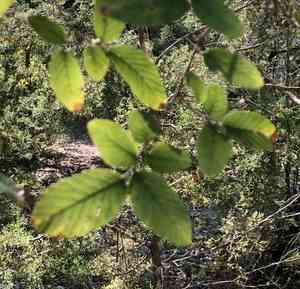
Cedar elm (Ulmus crassifolia)
Also known as: Cedar Elm, Texas Elm
Cedar elm (Ulmus crassifolia) is a deciduous tree that thrives in the flat, valley-bottom regions of the southern United States. It faces several threats in its native habitat, including susceptibility to Dutch elm disease and damage from elm leaf beetles. Additionally, while it can attract beneficial monarch butterflies, it also endures challenges from prolonged drought, habitat loss due to urbanization, and the broader impacts of climate change. These factors collectively threaten the health and survival of Cedar elm trees.
In This Article
Attributes of Cedar elm
Lifespan
Perennial
Plant Type
Tree
Plant Height
24 m to 27 m
Spread
12 m to 18 m
Leaf Color
Green Yellow
Flower Size
5 mm
Flower Color
White Yellow Green Red
Images of Cedar elm
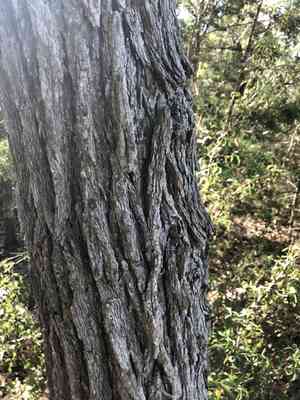
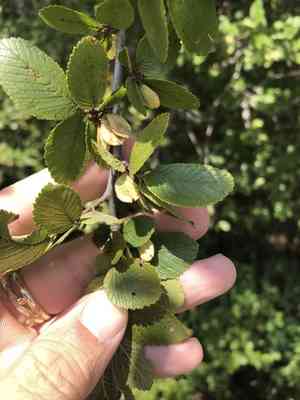
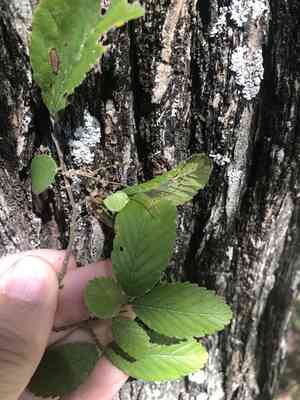
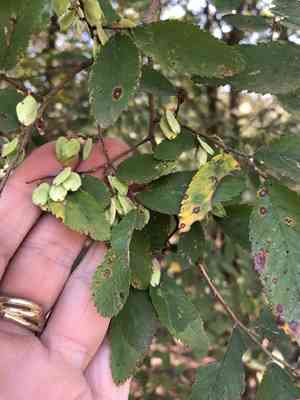
Quickly Identify Cedar elm
1
To identify the Cedar Elm, look for its thick, rough-textured leaves that have a distinctive, sandpaper-like feel. The leaves are also smaller compared to other elms and have a serrated edge.
Scientific Classification of Cedar elm
Phylum
Vascular plants
Class
Dicotyledons
Order
Rosales
Family
Elm
Genus
Elms
Species
Cedar elm
Planting and Growing of Cedar elm
Care Difficulty
Easy
Watering Schedule
Every 3 days
Sunlight Requirements
Full sun
Sunshine Duration
4-8 hours
Ideal Temperature
60-75℉
Soil Type
Potting Mix, Peat Mix
Soil pH
6.5-7.5
Fertilizer Type
Balanced
Pruning Season
Spring, Summer
Pruning Area
Branches, Leaves
Pruning Frequency
2 times a year
Repotting Season
Spring
Pot Type
Plastic, Ceramic
 How to Water Cedar elm?
The water requirement for Ulmus crassifolia is guided by ensuring the soil is consistently moist but never waterlogged. Aim to deeply saturate the soil once it starts to feel dry on the top. This typically means providing around 1000 milliliters of water per session, enough to adequately soak the roots without causing standing water.
More About Watering Techniques→
What are the symptoms of an underwatered Cedar elm?
›
What should I do if my Cedar elm is not getting enough water?
›
What are the symptoms of an overwatered Cedar elm?
›
How to save an overwatered Cedar elm?
›
 What Are the Sunlight Requirements for Cedar elm?
Ulmus crassifolia prefers full sun to partial sun for 6 to 8 hours daily. Proper light enhances its foliage density and tree structure, promoting overall health.
More About Sunlight Requirements Techniques→
What is the recommended lighting condition for Ulmus crassifolia?
›
How can I achieve the ideal lighting conditions for Ulmus crassifolia?
›
What are the benefits of providing ideal lighting for Ulmus crassifolia?
›
 What Is the Ideal Temperature Range for Cedar elm?
The ideal temperature range for Ulmus crassifolia is between 60°F to 75°F. This range allows the plant to thrive, ensuring optimal growth and resilience. Within this temperature window, the plant can efficiently conduct photosynthesis and maintain healthy cell function.
 What Soil is Best for Cedar elm?
Ulmus crassifolia thrives in well-drained soil which prevents waterlogging. This ensures that the roots receive enough oxygen and maintain a healthy growth environment. The tree benefits from nutrient-rich soil, as it supports lush foliage and robust growth. Incorporating organic matter like compost can significantly enhance soil fertility. Consistent soil moisture levels are crucial for Ulmus crassifolia, as overly dry conditions can lead to stress. Mulching can help retain soil moisture and prevent excessive evaporation.
More About Soil→
 How to Fertilize Cedar elm?
For Ulmus crassifolia, an adequate amount of fertilizer should be applied to sustain its growth without overburdening the soil. Typically, a dose of a balanced fertilizer with an NPK ratio of 10-10-10 is recommended during the growing season. Ensure that the application is evenly distributed to avoid localized nutrient concentration.
More About Fertilizing Techniques→
 How to Prune Cedar elm?
To start with pruning Ulmus crassifolia, always use clean, sharp tools to make precise cuts. Begin by removing any dead, diseased, or broken branches to promote overall tree health. Next, thin out crowded areas to improve air circulation within the canopy. Focus on maintaining a balanced shape by removing branches that cross each other or detract from the elm’s natural structure. Finish by stepping back periodically to assess the tree’s symmetry and make adjustments as needed.
More About Pruning Techniques→
 How to Propagate Cedar elm plant?
1
Gather seeds from mature Ulmus crassifolia trees in late spring or early summer when they are fully developed. Clean the seeds to remove any pulp and allow them to dry before planting.
2
Select healthy, disease-free stems and cut them using pruning shears. Ideally, these should be semi-hardwood cuttings taken during the growing season to ensure strong root growth.
3
For grafting, choose a robust rootstock and compatible scion. Cut both to appropriate sizes and join them securely. Ensure the graft is protected from external elements to promote healthy growth.
 How to Repot Cedar elm plant?
1
Look for signs such as roots growing out of drainage holes or the plant becoming root-bound. Also, if the growth appears stunted despite adequate watering and feeding, it's time to consider repotting your Ulmus crassifolia. Early signs ensure a timely intervention, promoting healthier growth.
2
Select a pot that is one size larger than the current one, with good drainage holes. Opting for terracotta or ceramic can help create a stable environment; they keep excess moisture at bay and allow air to circulate, enhancing root health.
3
Choose a well-draining loamy soil mix enriched with organic matter. This type of soil retains essential moisture while preventing waterlogging and ensures the necessary nutrient supply, guaranteeing a solid foundation for the Elm's vigorous growth.



