Enhancing Your Garden Design with the Cedar elm Plant: A Landscaping Guide
1
The cedar elm is a adaptable tree, excellent for providing continuous appeal to your outdoor space.
2
Combine cedar elm with diverse companion flora to establish a balanced garden aesthetic.
3
Cedar elm provides substantial ecological advantages and demands little upkeep.
Exploring the Visual Charm of Cedar Elm
Visual Attributes: An Overview
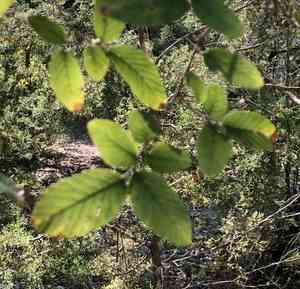
A primary reason to incorporate Cedar elm into your outdoor space is its striking visual qualities. This tree commands attention with its impressive height and abundant foliage. Its small, shiny leaves form a dense canopy, offering ample shade and a rich green backdrop. The bark adds intriguing texture with its rough, deeply grooved appearance, lending a rustic appeal to any garden setting.
Seasonal Transformations and Their Effect on Visual Appeal
The seasonal changes Cedar elm undergoes significantly contribute to its year-round attractiveness. In spring, the tree bursts forth with vibrant green leaves, injecting fresh vitality into your landscape. As autumn approaches, the leaves shift to delightful yellow tones, beautifully marking the transition. These changes provide dynamic visual interest, ensuring your garden remains captivating throughout the year.
Integrating Cedar Elm into Various Landscape Styles
Traditional Landscape Compatibility
Cedar elm blends effortlessly into traditional landscape designs, complementing classic garden elements. Its dignified presence pairs well with neatly kept lawns, ornamental grasses, and perennial flower beds. The treeâs natural form and rich green leaves add depth, creating a timeless and refined garden atmosphere that enhances other traditional features.
Modern Designs and Cedar Elm: An Ideal Pairing?
Despite its classic charm, Cedar elm can also be an excellent addition to contemporary landscape designs. Its clean lines and structured growth can serve as a foundational element in modern settings. Plant it as a focal point in minimalist gardens, or use it to line pathways, where its formality can balance the sleek, geometric shapes often found in modern designs.
Companion Planting with Cedar Elm: What Works Best?
Recommended Companion Plants for Cedar Elm
Selecting appropriate companion plants is crucial for maximizing Cedar elm's aesthetic value. Consider pairing it with shade-loving perennials such as hostas, ferns, and astilbes, which flourish in the canopyâs shade. Shrubs like azaleas and hydrangeas can introduce colorful underlayers, while ground covers such as ivy and vinca create a lush carpet around the treeâs base.
Understanding Soil and Sunlight Needs
Cedar elm thrives best in well-drained soils and can adapt to various soil types, from clay to sandy loam. It prefers full sun to partial shade, making it adaptable across diverse landscape conditions. Ensure your planting site meets these requirements to help Cedar elm grow vigorously and contribute effectively to your gardenâs design.
Long-Term Advantages of Selecting Cedar Elm for Your Space
Environmental Impact and Sustainability
Cedar elm offers significant environmental benefits, enhancing the sustainability of your landscape design. It provides substantial shade, reducing the need for artificial cooling in nearby structures. The tree's foliage also assists in filtering pollutants from the air, positively impacting the environment. Furthermore, Cedar elm supports local wildlife, offering habitat and food sources for various birds and insects.
Durability and Upkeep: A Cost-Benefit Analysis
A key benefit of planting Cedar elm is its resilience and minimal maintenance. The tree is highly robust, capable of enduring drought and urban pollution, making it suitable for diverse environments. Once established, Cedar elm requires little upkeep, saving you time and money. Routine pruning to maintain its shape and occasional pest checks are typically sufficient to keep this tree in prime condition.



