How to Prune Cedar elm?
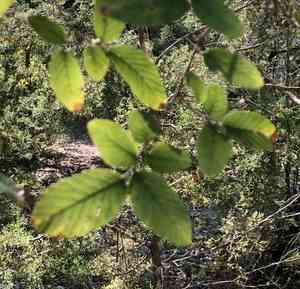
A robust, leaf-shedding tree prized for its ability to withstand dry conditions, cedar elm thrives with trimming to preserve its form and well-being. Essential methods involve excising lifeless or ailing branches, reducing the density of the crown for improved light and airflow, and making corrective cuts to sculpt the tree and lessen strain from substantial branches. The ideal period for pruning is from late winter to early spring, prior to the emergence of new foliage. Important points to remember include refraining from topping, as this practice can lead to fragile development and heightened susceptibility to infestations and illnesses.
What Are the Benefits of Pruning Cedar Elm?
What Are the Benefits of Pruning Cedar Elm?
Trimming cedar elm encourages robust development and maintains its desired form. Regular cutting fosters a strong framework, improves air circulation, and lowers disease risk, ensuring cedar elm flourishes healthily.
What Is the Best Time for Pruning Cedar Elm?
What Is the Best Time for Pruning Cedar Elm?
These periods are considered ideal as cedar elm is inactive, which minimizes stress and sap loss. Pruning before new growth in spring allows the tree to recover and direct energy towards developing strong, healthy new branches. Additionally, the structure is more visible without leaves, and pathogens are less active, reducing infection risk at cut sites.
What Tools Do I Need to Prune Cedar Elm?
Hand Pruners
These are crucial for making precise cuts on small branches and twigs of cedar elm. They should be bypass pruners, featuring a curved blade that glides past a thick base, much like scissors. This design is preferred for its cleaner cut and minimal damage to remaining plant tissue.
Loppers
For branches too thick for hand pruners, loppers are the next option. These tools have extended handles that provide the leverage needed to cut through branches up to two inches thick, which is typical for cedar elm.
Pruning Saw
Cedar elm may have branches too large for loppers, usually exceeding two inches in diameter. A pruning saw is essential for these bigger branches. Select a saw with a curved blade to facilitate easier cutting.
Pole Pruner
Given cedar elm's potential height and the presence of higher branches, a pole pruner can be used to reach and cut branches beyond arm's length without a ladder. Ensure the pole pruner has both a saw attachment for larger branches and a lopper attachment for smaller ones.
Hedge Shears (optional)
If cedar elm is being maintained as a hedge or shaped for a manicured appearance, hedge shears would be suitable for trimming and shaping. However, they are not appropriate for general tree pruning and should be used sparingly.
Gloves and Safety Equipment
While not a pruning tool itself, wearing gloves and using safety gear like goggles is important for protecting the gardener from potential injuries when pruning cedar elm.
How to Prune Cedar Elm
Step1: Optimal Pruning Timing
Begin by removing any dead wood. Make clean cuts with sharp pruning shears or a saw, depending on the wood's thickness. Cut dead branches back to their junction with a larger limb or the trunk, being careful not to harm the branch collar.
Step2: Pre-Pruning Assessment
Identify diseased limbs by looking for discoloration, unusual growth patterns, or oozing bark. Isolate these limbs from healthy ones and sterilize cutting tools before and after cuts to prevent infection spread.
Step3: Removing Dead Wood
Carefully remove broken branches by cutting them back to the nearest lateral branch or a main limb. Avoid leaving stubs, as they can be entry points for pests and diseases. Clean cuts help cedar elm heal faster.
Step4: Isolating Diseased Limbs
After addressing dead, diseased, and broken branches, focus on the tree's overall form. Thin the crown to improve air circulation and light penetration if needed, but avoid extensive thinning as cedar elm trees do not require it significantly.
Step5: Trimming Broken Branches
Make any shaping cuts at a 45-degree angle just above an outward-facing bud to encourage outward growth, which helps maintain the natural shape of the cedar elm.
Step6: Thinning for Shape & Health
Properly dispose of all removed material. Do not compost diseased limbs or leaves to avoid contaminating your compost with pathogens.
Step7: Directional Shaping Cuts
Monitor the tree after pruning for signs of stress or disease and provide appropriate care, such as watering during dry periods or applying mulch to conserve soil moisture.
Step8: Proper Disposal
Ensure that no more than 25% of the tree's canopy is removed in a single season to minimize stress and maintain the health and structural integrity of the cedar elm.
Step9: Post-Pruning Monitoring
Monitor the tree after pruning for signs of stress or disease and provide appropriate care, such as watering during dry periods or applying mulch to conserve soil moisture.
Step10: Canopy Preservation Limit
Ensure that no more than 25% of the tree's canopy is removed in a single season to minimize stress and maintain the health and structural integrity of the cedar elm.
Post-Pruning Care for Cedar Elm
Post-Pruning Care for Cedar Elm
Immediately after pruning cedar elm, water sufficiently to alleviate stress. Manage light exposure, ensuring cedar elm is not exposed to harsh sun that could scorch fresh cuts. Maintain moderate humidity and stable temperatures to promote healing. Introduce balanced fertilizer after one month to aid growth, avoiding immediate application to prevent burn risk. Regularly inspect for signs of distress like wilting or discoloration; at signs of infection, apply appropriate fungicides. Diligence in these measures will foster cedar elm's healthy development post-pruning.
Common Pruning Mistakes with Cedar Elm
Excessive Foliage Removal Stress
Over-pruning, which involves removing too much foliage at once, can stress cedar elm and impede its growth.
Damaging Cuts with Dull Tools
Making improper cuts or using dull pruning tools can harm cedar elm branches and lead to disease.
Neglected Dead Wood Removal
Failing to remove dead or diseased wood can compromise the overall health and structure of cedar elm.
Unplanned Pruning Harms Health
Pruning without a clear strategy or goal can result in a disfigured appearance and may harm the long-term health of cedar elm.
Ignoring Natural Shape in Pruning
Disregarding the natural shape of cedar elm during pruning can lead to a loss of its aesthetic form and vigor.
Common Pruning Tips for Cedar Elm
Use Sharp, Clean Pruning Tools
Ensure all pruning tools are sharp and clean before starting work on cedar elm to make precise cuts and reduce disease risk.
Thin Dense Areas for Growth
Focus on thinning out dense areas to increase light penetration and air circulation within cedar elm's canopy, which promotes healthy growth.
Remove Dead or Diseased Branches
Identify and remove any dead, damaged, or diseased branches to maintain the health and appearance of cedar elm.
Follow Natural Growth Habit
While shaping cedar elm, adhere to its natural growth habit to maintain its structural integrity and enhance its ornamental value.
Cut at Angles Above Nodes
When cutting back branches, make cuts at a slight angle just above a leaf node or bud to encourage proper healing and new growth.



